Trendsfera Newsroom
The November Theory proves a calendar is a terrible relationship test
Turning November into a make-or-break deadline for love, or for abstinence, is great meme fuel and a lousy way to judge whether a relationship is real.
Turning November into a make-or-break deadline for love, or for abstinence, is great meme fuel and a lousy way to judge whether a relationship is real.
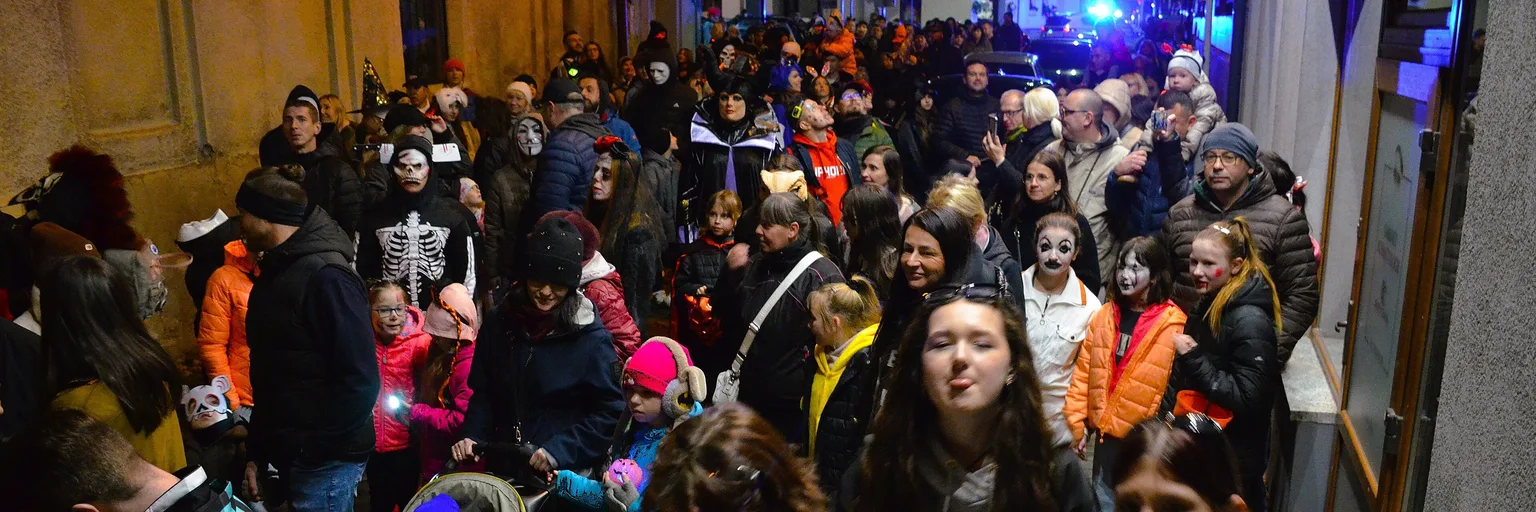
Movie duo costumes dominate this Halloween because they're built for the feed: one person leads the content, the other becomes the accessory that makes it legible.
Grandma creators are cashing in because audiences crave comfort over gloss, though the money described in the reporting comes from brand deals, not from TikTok itself.
The Tuscan grandmother who went from her son's bakery to Forbes Italia shows that unscripted, family-made warmth outlasts the polished influencer playbook.
Halloween's new gifting ritual sells affection and content more than sweets. Enjoy it, but don't let an algorithm talk you into an iPhone in a pumpkin bucket.
Turning a vital hormone into a TikTok optimization project is peak wellness culture: manufacture the anxiety, then sell the cure. The smart move is to ignore it.
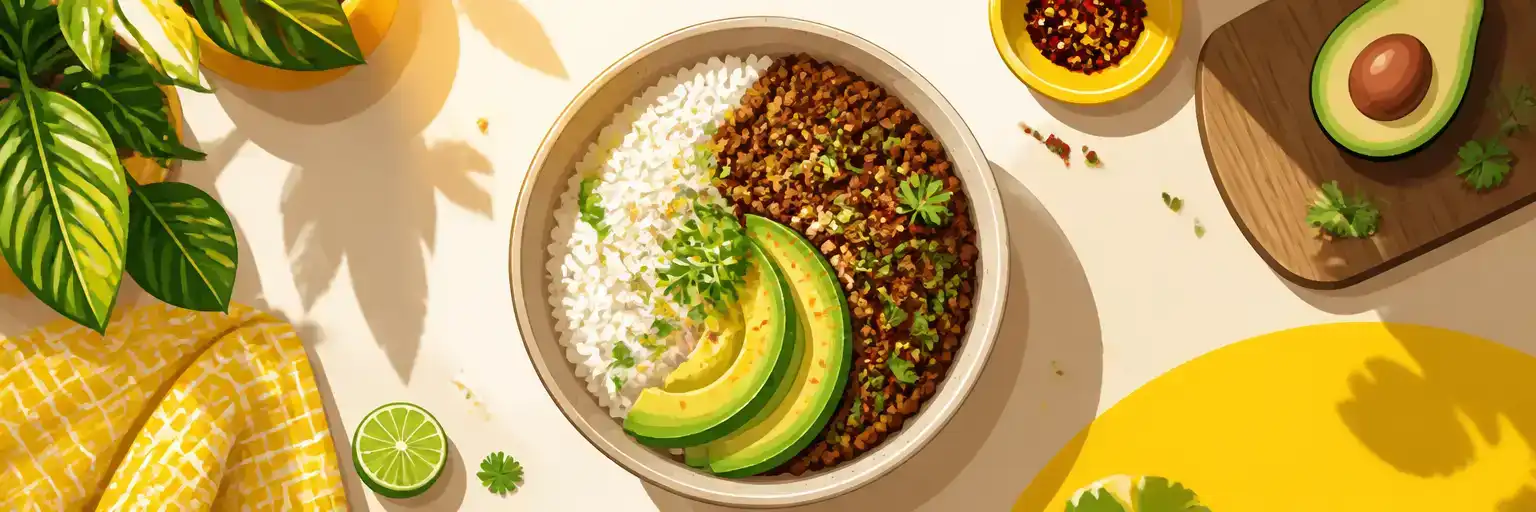
A bowl of rice, ground beef and avocado is a perfectly good routine. Calling it a movement, or a nutrition plan, is where the trend gets lazy.
A newborn with a dark mustache went viral, but the real story is that "is it AI?" now arrives before "aw, cute" and nobody can settle it.
A backstage haircut for a fan with stage 3 breast cancer went viral. Real kindness and viral kindness can coexist, but our clicks decide which one wins.
The LG and Kroger cases expose a marketing habit that treats creator-made audio as background noise—and may force brands to license memes like valuable media.
The viral explosion of 'Dubai perfumes' on social media isn't just a fleeting craze; it signifies a powerful cultural shift, proving that exotic luxury and captivating originality are now within everyone's reach.
The rapid spread of 'Curis' memes illustrates internet culture's dynamic evolution, where creative humor can quickly blur into anonymous online harassment.
Gen Z's embrace of '90s fashion transcends simple throwback appeal, becoming a defiant statement against modern fashion norms and a unique form of generational connection.
The unexpected viral success of Hugo & Guilherme's track "Flash" and its associated perfume trend illustrates how music unexpectedly steers lifestyle and consumer behavior in Brazil.
From perfecting sleep to optimizing leisure, the 'maxxing' phenomenon reveals a societal quest for constant self-improvement that risks transforming well-being into another metric to obsessively track and achieve.
What began as a low-effort TikTok trend for a solo meal has blossomed into a full-fledged restaurant strategy, signaling a significant cultural shift toward casual, customizable dining.
From celebrity endorsements to beatboxing throwbacks, recent viral moments highlight how online sensations ignite and fade, revealing a deeper, more consuming shift in identity and culture.
A new wave in beauty embraces understated enhancement over overt transformation, signaling a profound change in our collective aesthetic values.
The viral 'frutas infieles' trend on TikTok and Instagram proves that even the most nonsensical content can reveal profound truths about our insatiable appetite for drama and connection.