The Micro-Trend Trap: Why Fleeting Fame Fuels Our Consumption Habits
From celebrity endorsements to beatboxing throwbacks, recent viral moments highlight how online sensations ignite and fade, revealing a deeper, more consuming shift in identity and culture.
AI-generated image
Micro-trends are the internet's equivalent of a sugar rush: intensely sweet, fleeting, and leaving us craving the next hit. What do a chart-topping song named after Nicole Kidman and a resurfaced Justin Timberlake beatbox video have in common? They are perfect encapsulations of the micro-trend economy, where content rockets to fame for a fleeting moment, burns bright, and then disappears just as quickly. This unpredictable, often quirky, content rapidly captures online attention, but its ephemeral nature points to a much larger, more concerning shift in how we consume culture and, ultimately, define ourselves.
In recent weeks, the internet has been awash with an eclectic mix of sensations. ADÉLA's song "Nicole Kidman" is currently one of the hottest pop tracks on social media, swiftly climbing the charts, as Billboard reports. This viral moment was amplified when Nicole Kidman herself used another one of ADÉLA's songs, "Ain't in LA," for her own TikTok debut, placing the actress directly in the viral conversation, as JustJared reported. Simultaneously, an old video of Justin Timberlake’s frequent beatboxing during his *NSYNC days resurfaced, prompting the star to humorously address his past habit, joking he couldn't "apologize enough" for that era, according to People magazine. These disparate moments are not random; they are symptoms of a digital landscape designed for rapid, intense, but ultimately short-lived engagement.
The Relentless Algorithm and Our Short Attention Spans
Micro-trends, often called "cores" or "aesthetics," are short-lived phenomena that gain immense popularity on social media platforms like TikTok, only to fade within weeks or even days, as outlined on Aesthetics Wiki. This rapid cycle has fundamentally reshaped industries, particularly fashion and beauty, forcing major corporations to restructure their entire marketing strategies to keep pace with trends that might last less than a month, as noted by Northwestern Business Review. We've seen "coastal grandmother" give way to "clean girl," only to be replaced by "mob wife," each aesthetic burning out just as quickly as the algorithm moves on. The acceleration is dizzying, leading to consequences that ripple far beyond clothing racks, affecting everything from product availability to consumer behavior patterns.
This isn't merely a shift in taste; it's a structural transformation. What starts as a niche joke among a small group of internet users can escalate into a global phenomenon, influencing daily speech, fashion, and even political discourse, as The Brown and White observes. The speed, however, comes at a cost. The original meaning of a trend can become diluted or lost entirely, turning what might have begun as social critique into something trivial, driven more by likes and views than by any substantive message. In this environment, attention is commodified, and the humor that fuels many trends risks becoming disingenuous, masking a lack of genuine engagement with underlying issues.
Identity as a Purchased Commodity
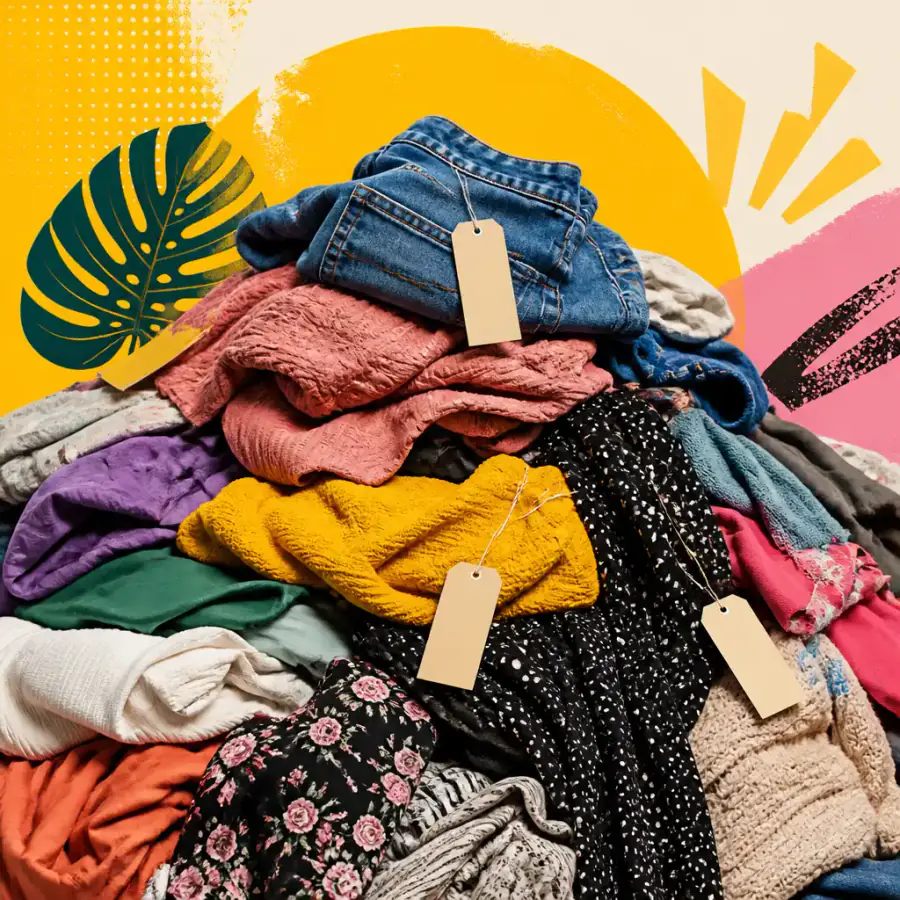
Perhaps the most profound consequence of the micro-trend economy is its impact on our sense of self. In an age where traditional community exploration has been supplanted by online social spaces, algorithms dictate the cultural learnings in our journey of self-definition, according to Fashion is Psychology. Identity, once a complex psychological process developed through social interactions, has become increasingly intertwined with our economic system, leading to what some term "market competitive identity development." This means our identities are no longer shaped by shared experiences or community values but by the latest algorithmic trend being pushed through our feeds.
This phenomenon fosters a cycle of overconsumption under the guise of identity exploration. This constant churn raises questions about the financial, psychological, and environmental costs of treating identity as something to be purchased, worn briefly, and discarded, as explored by the Northwestern Business Review. This constant pursuit of fleeting trends directly feeds the fast fashion industry, contributing to an alarming amount of clothing waste, with Americans reportedly discarding 37 kilograms of clothing per year, according to Fashion is Psychology. Businesses, even small vintage shops like Heyday Thrift, find themselves navigating this landscape, trying to maintain their curated identity amidst the rapid influx of never-worn, trend-driven discards. They often choose not to stock micro-trend items because they don’t align with their focus on timeless pieces, highlighting a tension between fleeting desire and sustainable practice.
Beyond the Scroll: Finding Substance
Ultimately, the micro-trend economy reflects a broader cultural issue: the lack of offline spaces for young people to safely explore aspects of their identity, pushing them further into the arms of capitalism and consumerism. While micro-trends can offer a momentary sense of belonging or a way to cope with modern life's absurdities, they often result in an individualistic, materialistic experience that leaves people feeling empty and lonely because it lacks authentic community creation. We believe it's time to question whether this constant state of ironic detachment and overconsumption undermines the potential for genuine discourse and change.
The solution may lie not in the next viral sensation, but in disengaging from the endless scroll. As one observer aptly put it, perhaps it's time to "go outside; touch grass; feel the sunlight; find community." True identity, we argue, is built not on fleeting purchases, but on genuine connection and shared experiences.
No topics yet: start the first one.
More stories
Fickle Fruits: Why 'Frutinovelas' Are More Than Just Absurd Brainrot
The viral 'frutas infieles' trend on TikTok and Instagram proves that even the most nonsensical content can reveal profound truths about our insatiable appetite for drama and connection.

Olivia Dean's Lawsuit: When Inspiration Becomes a Legal Echo
The copyright infringement suit against Olivia Dean for her song "I've Seen It" reignites critical questions about musical originality, creative homage, and the significant financial stakes in the digital music era.

Iced Coffeegate: Why a Drink Sparks a Generational Culture Clash
A viral debate over bringing iced coffee to job interviews isn't about the drink itself, but exposes deep generational divides in workplace etiquette and evolving professional norms.