Trendsfera Newsroom
Coughlan's Harry Potter boycott: silence is now a choice
Nicola Coughlan's refusal to touch HBO's Harry Potter turns actor opinions into brand risk, and the cast now has to pick between the franchise and what it says.
Nicola Coughlan's refusal to touch HBO's Harry Potter turns actor opinions into brand risk, and the cast now has to pick between the franchise and what it says.
Olivia Cooke stepped away from social media over fandom toxicity. We think the real story is who gets to log off, and who has to stay.
The collapse of David Walliams' family-friendly empire shows that a lovable persona is a product, not proof of character, and that networks and fans keep mistaking one for the other.
CAA and Ogilvy's ECHO turns fame into a licensable asset. That's smart for talent, as long as consent is real and viewers can always see what's synthetic.
Three hundred games in, Erin Andrews' real product isn't the sideline report. It's a personality that sells clothes, fills podcasts and eyes the morning couch.
A London jury convicted Brand of rape and sexual assault. The verdict exposes how the anti-establishment persona worked, and why we were so slow to ask what it protected.
Jen Affleck posted her daughter's fifth birthday a day after filing for divorce. Whether staged or sincere, the kids-first frame works like a press release.
Brass's death at 93 isn't just an obituary: it's a reminder that erotic cinema once had authors, and that free, endless explicit content hasn't produced a single one.
Saying Glenn Close deserved the 1988 Oscar over Cher is the cheapest provocation in Hollywood: it costs nothing, offends no one for long, and sells a memoir.
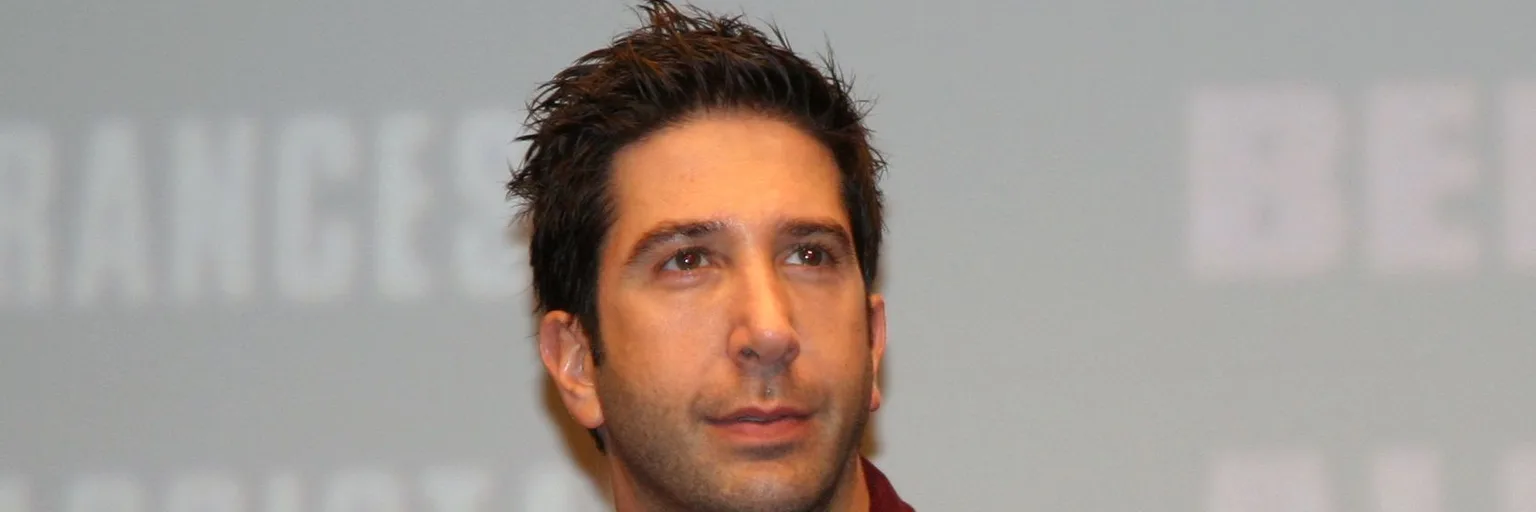
At 60, Schwimmer never landed a second mega-hit. We think that only looks like a flop if you grade fame by box office; by survival, he did better than most.
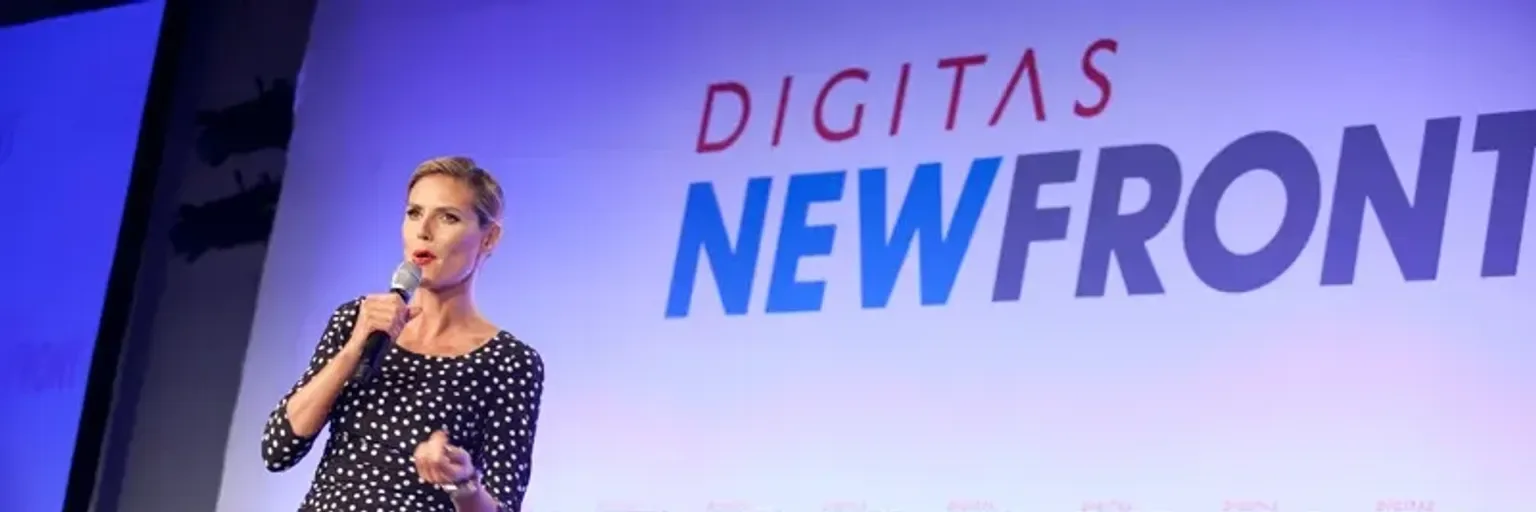
Klum's giant left hand and Lily Allen's Ticketmaster seat map show celebrity Halloween rewards concept over cash, and a point of view beats a bigger prosthetics budget.
Stewart said her homeless costume was about awareness, then admitted it was insensitive and not funny. The second statement was the honest one.
Kim Kardashian's openness about her esophagus surgery may help viewers get checked, but the way we consume celebrity scares is turning candor into obligation.
Buying back a celebrity-founded company at a deep discount sounds like a comeback. Reportedly cutting about half the staff weeks later shows how fragile the personal-brand empire was.
A throwback pumpkin photo of Prince Louis is tiny, charming and carefully managed, and it shows royal accounts now compete with influencers for intimacy.
Jack Antonoff says he'd rather live through things publicly, but the Qualley divorce filing asks whether a marriage turned into songs leaves any room for privacy.
Diaz says society deems you a failure if you don't look 25 anymore. The real scandal is how easily the rest of us keep grading women's faces like exams.
A fan's $200,000-per-episode myth, a $20,000 reality and Holland Taylor's complaint show why actors talking openly about money does more than any pay-transparency memo.
Bennett's death at 36 is not a story about the cost of fame. It's about how pop remembers the hook and forgets the person, and why care has to outlast the nostalgia.
A July Cayman wedding, an October pregnancy post and a careful lack of the word "fiancé": the Chrisley story is less a romance than a masterclass in timing the reveal.