Likability isn't a background check, and Walliams proves it
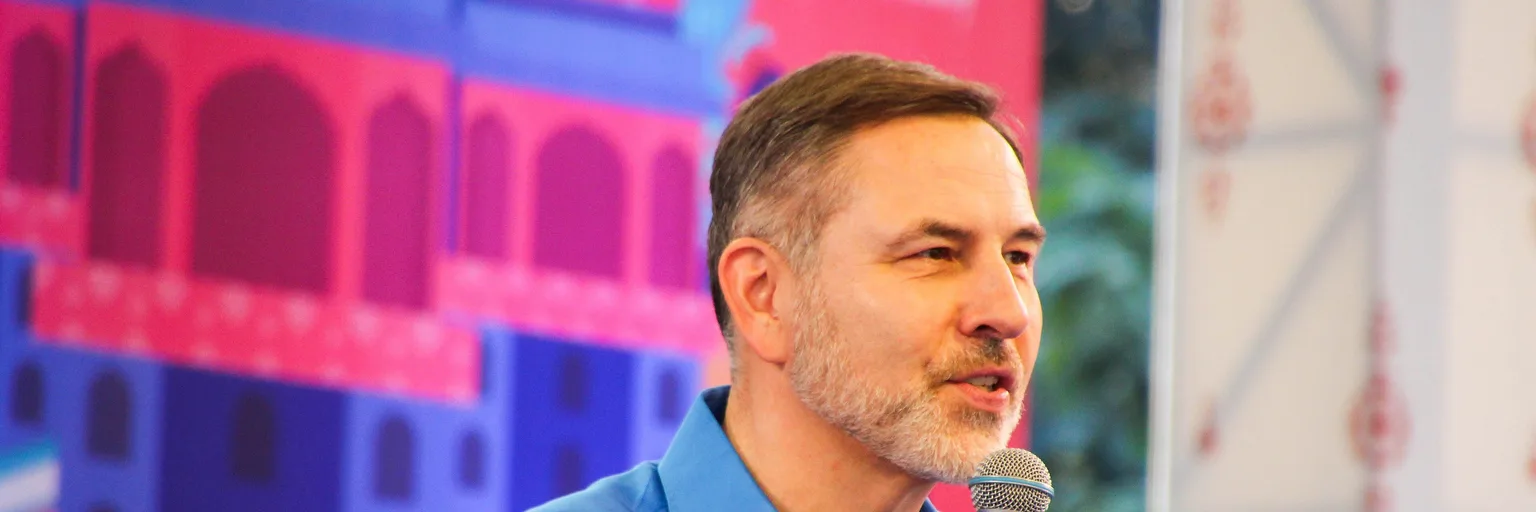
The collapse of David Walliams' family-friendly empire shows that a lovable persona is a product, not proof of character, and that networks and fans keep mistaking one for the other.
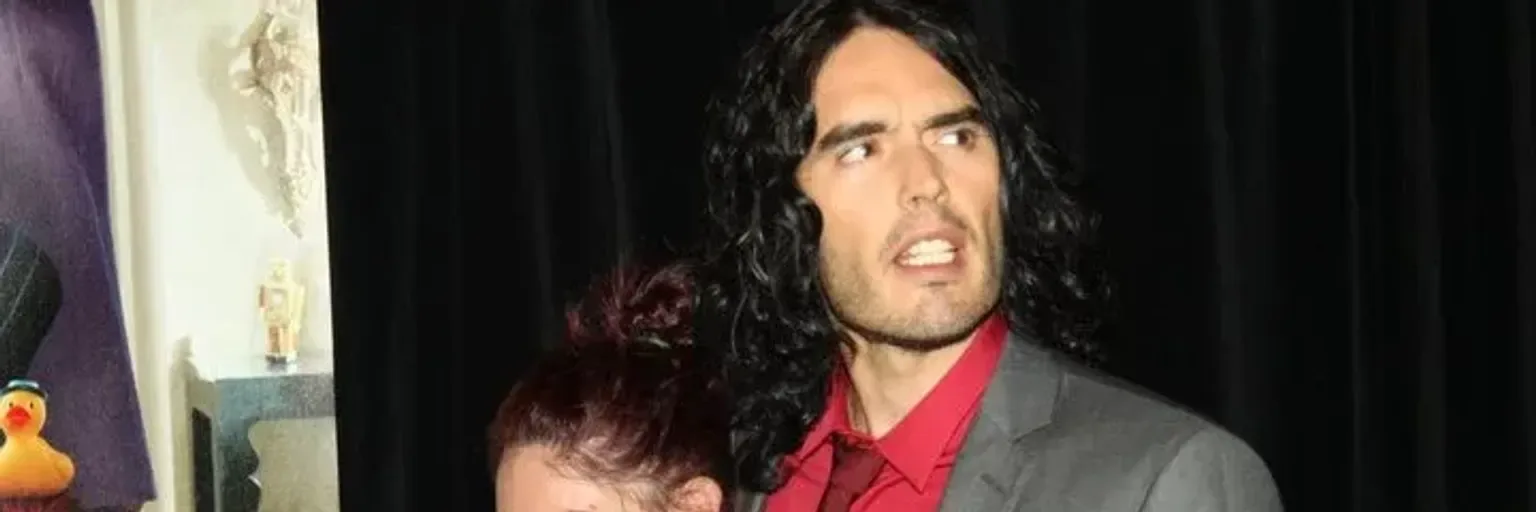
A London jury convicted Brand of rape and sexual assault. The verdict exposes how the anti-establishment persona worked, and why we were so slow to ask what it protected.
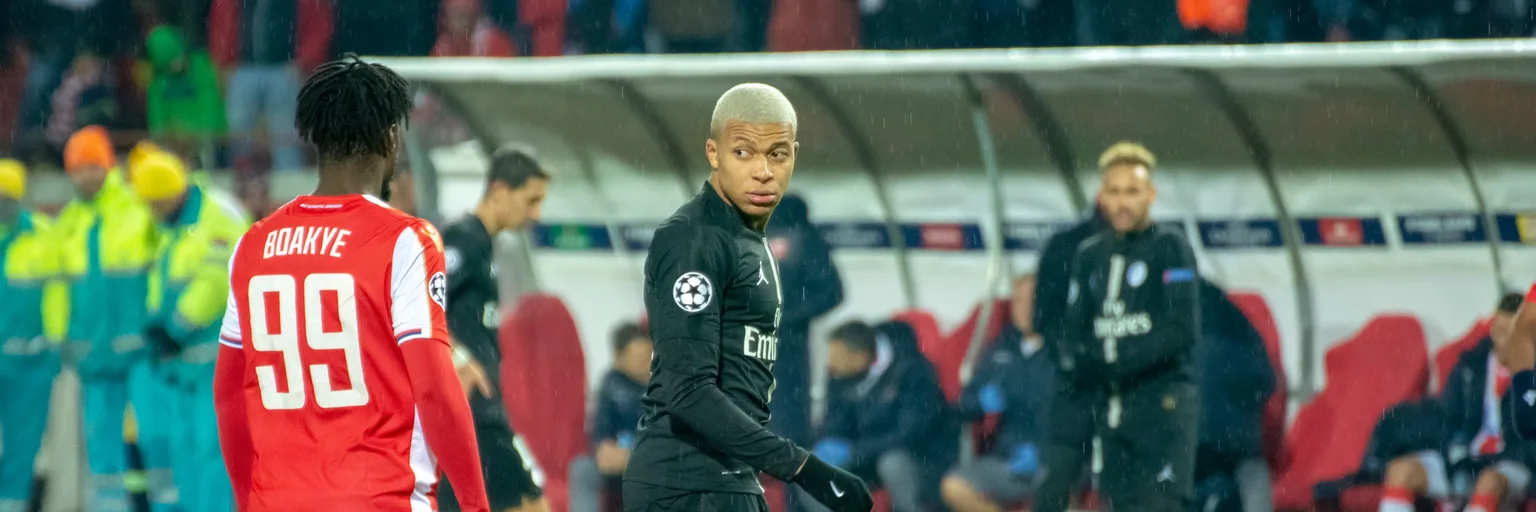
Mbappé's offhand line about a "Chinese dictator" meme cost him sponsors and kept La Liga off China's state TV. Celebrity speech is now a line item in every global brand's risk sheet.
Stewart said her homeless costume was about awareness, then admitted it was insensitive and not funny. The second statement was the honest one.
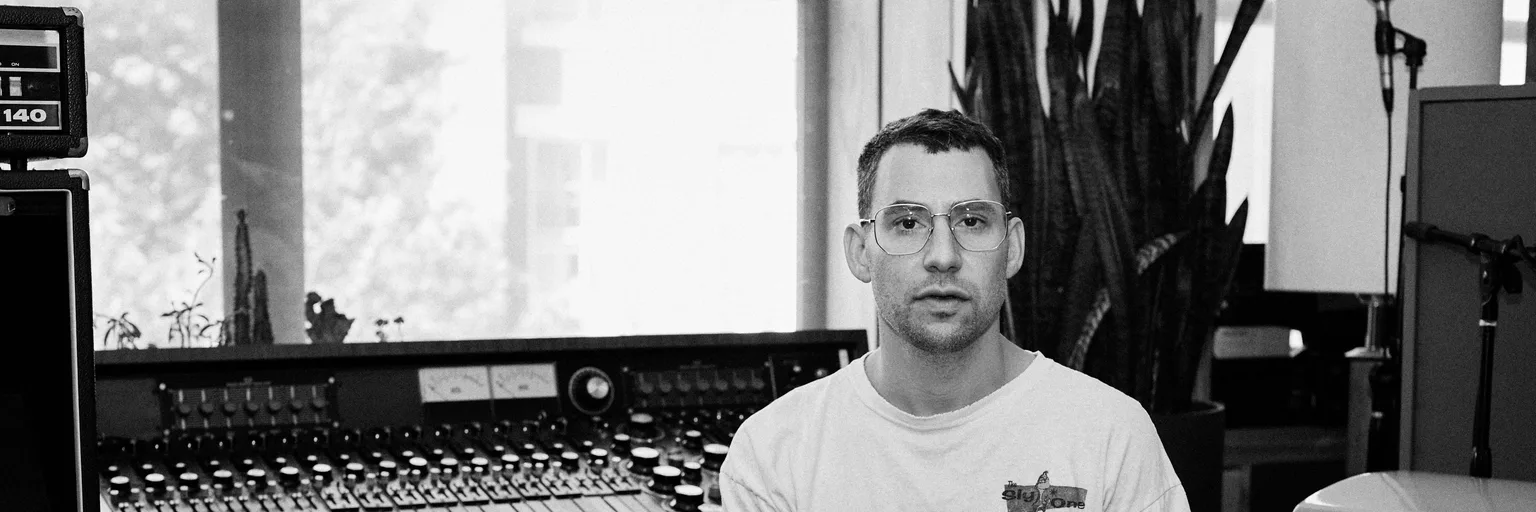
Jack Antonoff says he'd rather live through things publicly, but the Qualley divorce filing asks whether a marriage turned into songs leaves any room for privacy.
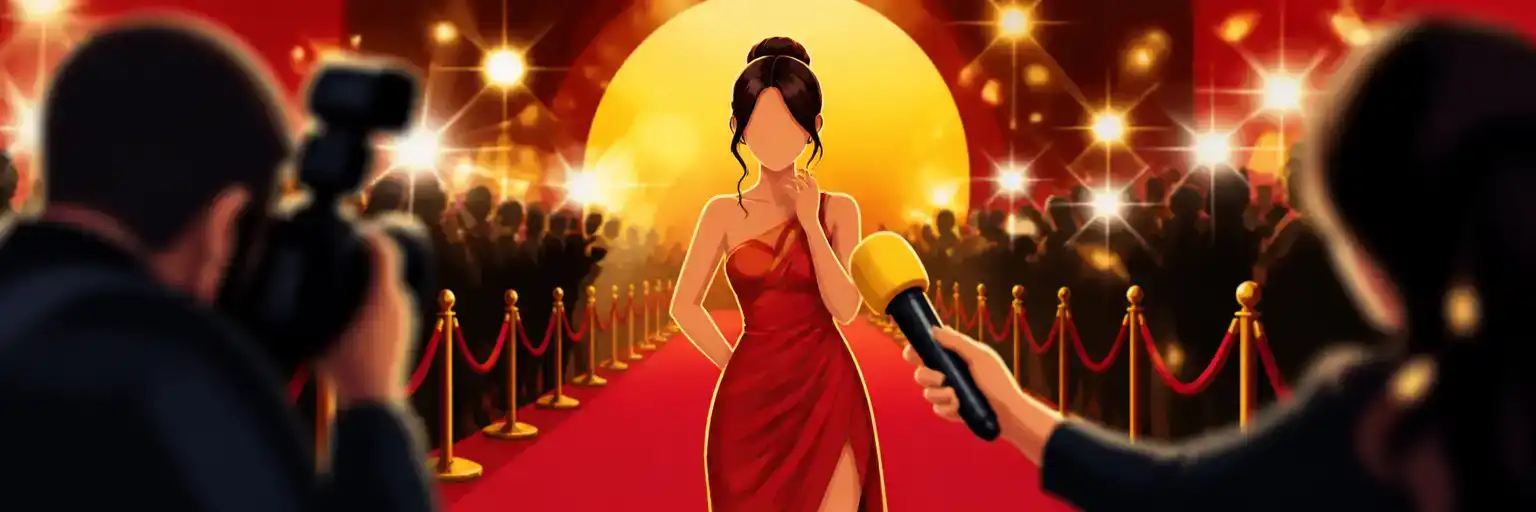
A star snaps at a reporter, apologizes, and the cycle resets: the red carpet interview is a transaction nobody respects, and the person with the microphone pays for it.
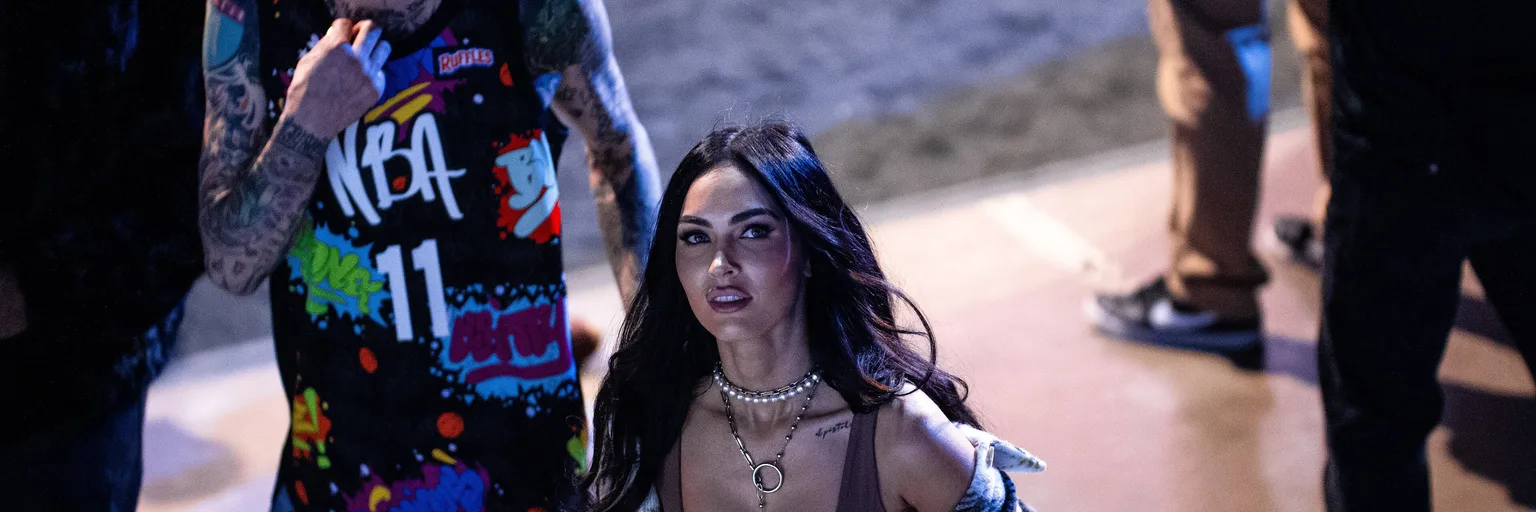
Megan Fox is reportedly "relieved" that MGK is rumored to be dating Dakota Johnson. Whoever wrote that script, the graceful-ex statement has become a reputation tool.
When an estranged relative is accused of something grave, the spotlight tends to swing to the famous branch of the family. The real question is who is actually accountable.
Dylan Sprouse's family-tree quip and Cole's reaction became a headline machine within days, proving that celebrity candor gets clipped, flattened and sold in its worst form.
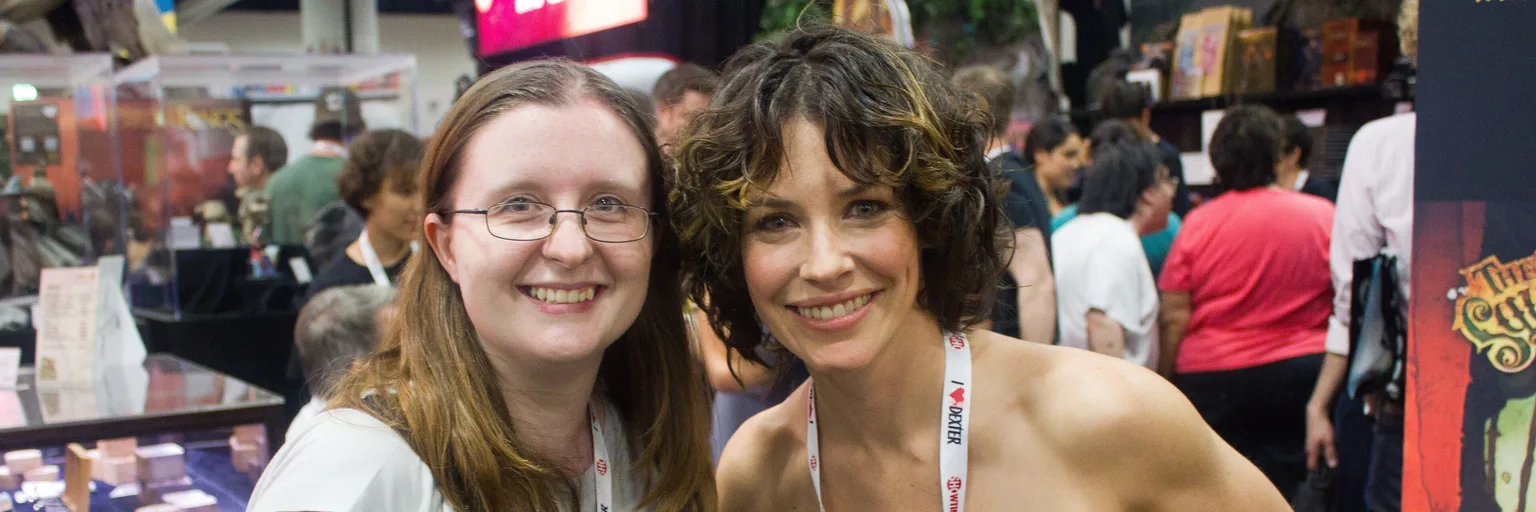
Evangeline Lilly’s Hollywood departure challenges the idea that visibility is success, turning privacy, autonomy and usefulness into a more compelling status symbol.
Hilary Swank’s third child at 52 makes later motherhood more visible while exposing the medical realities, privilege and impossible standards around celebrity pregnancy.
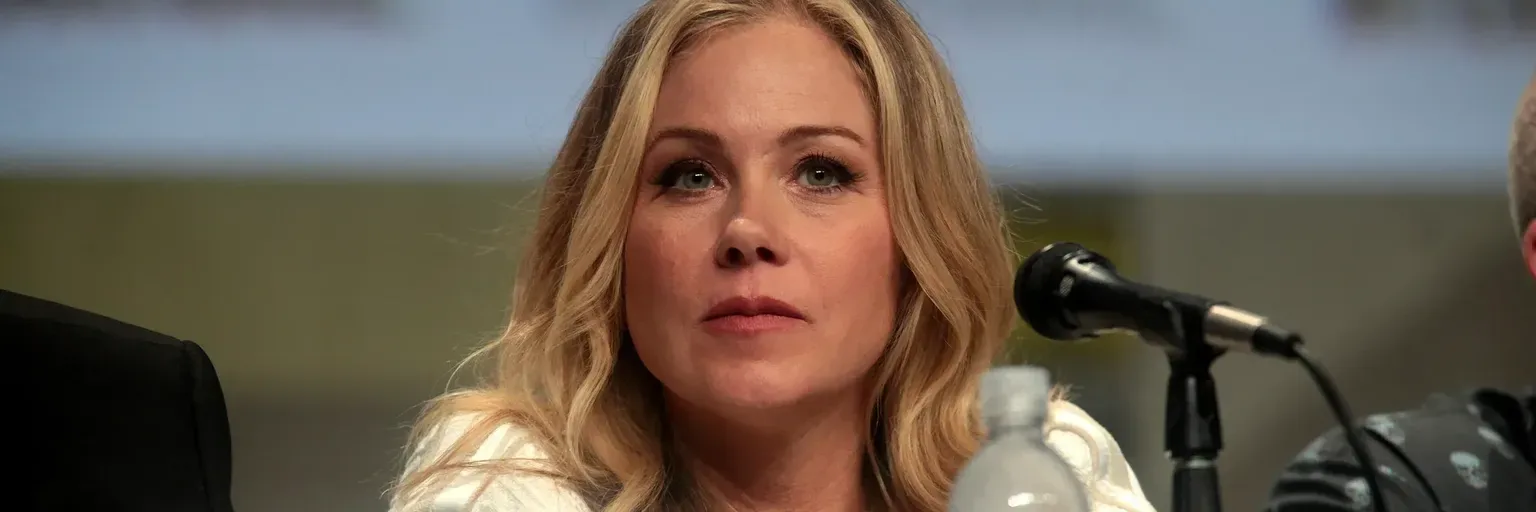
A diagnosis can offer community and meaning, but Christina Applegate’s reversal shows how public health stories can turn a person’s suffering into a spectacle.
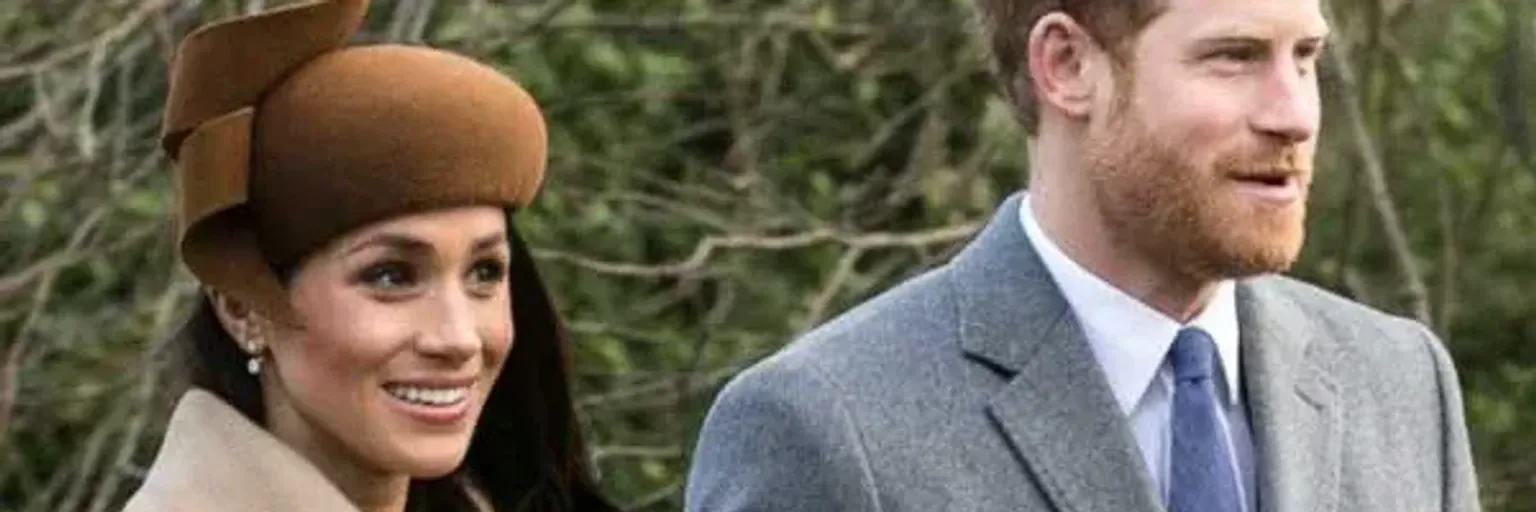
Prince Harry’s wish to repair royal ties may be sincere, but public reconciliation turns family healing into a contest over trust, privacy and narrative control.
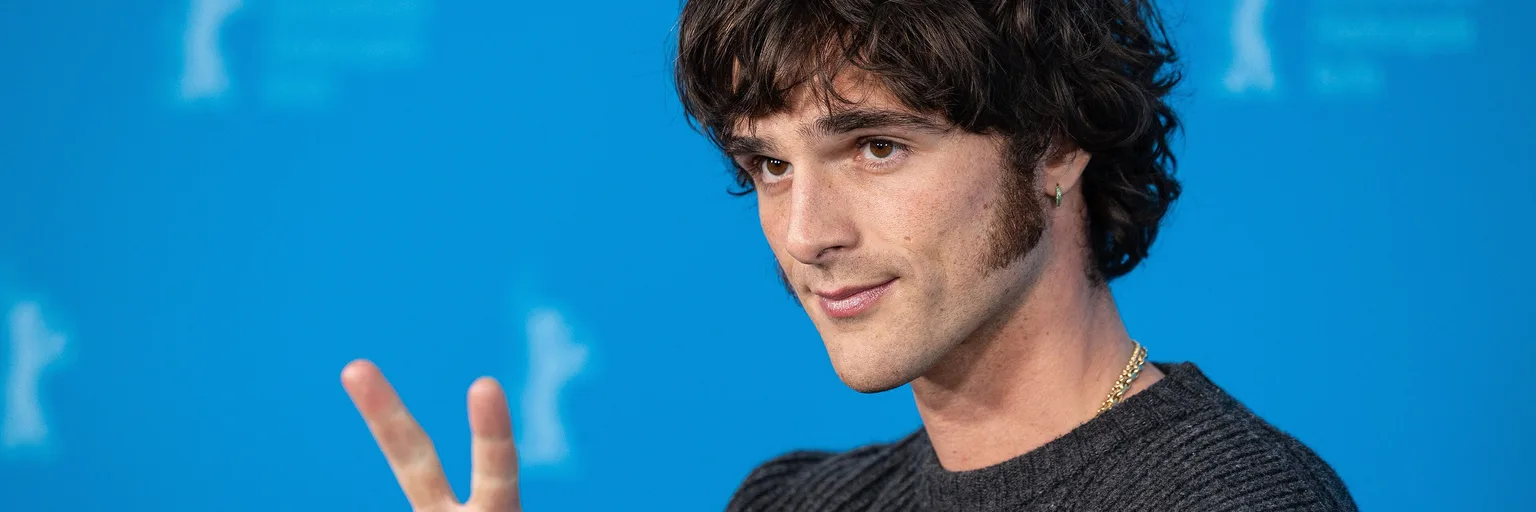
The real draw is not confirming Jacob Elordi’s romance with anyone. It is watching scarce information become the most valuable currency in celebrity culture.
Despite a transatlantic divide and ongoing family tensions, the shared passion for gymnastics between Lilibet and Charlotte reveals an unexpected, relatable royal connection.
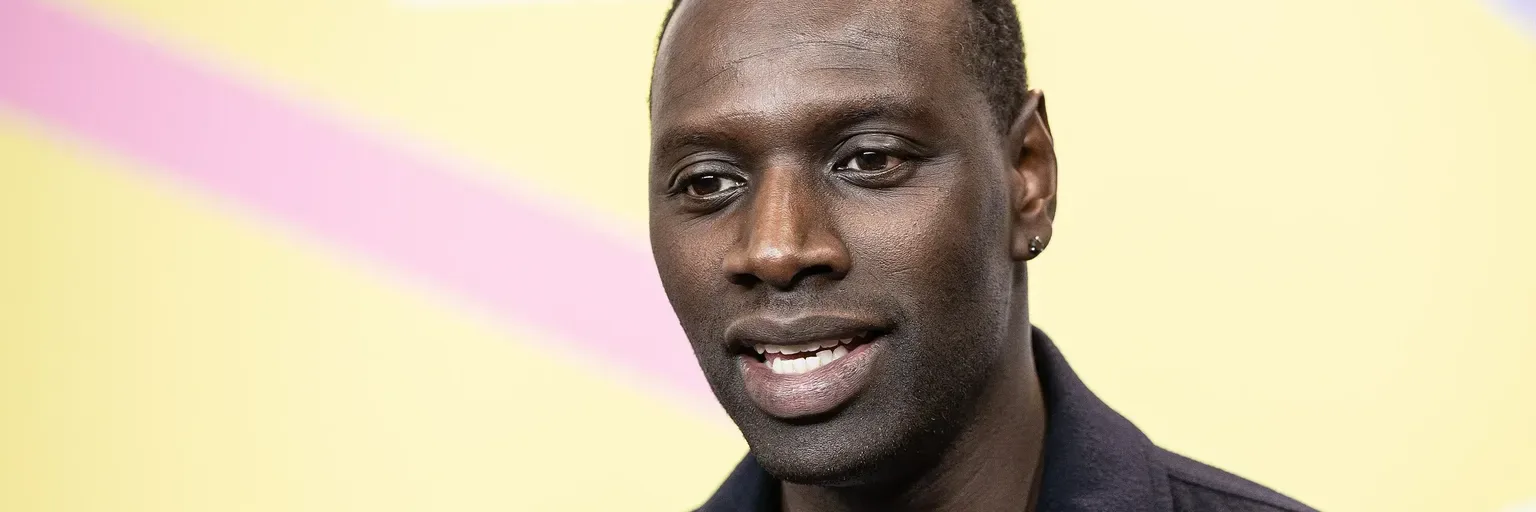
Omar Sy's recent pointed critique of Donald Trump's Gaza plan during his one-man show exemplifies how international celebrities are increasingly leveraging their global platforms for potent political commentary, shaping public discourse far beyond entertainment.
In Berlin, Paris Jackson’s dog display, which mirrored her father’s infamous 2002 moment, forces a conversation on how celebrity offspring strategically navigate their parents' public and private histories.
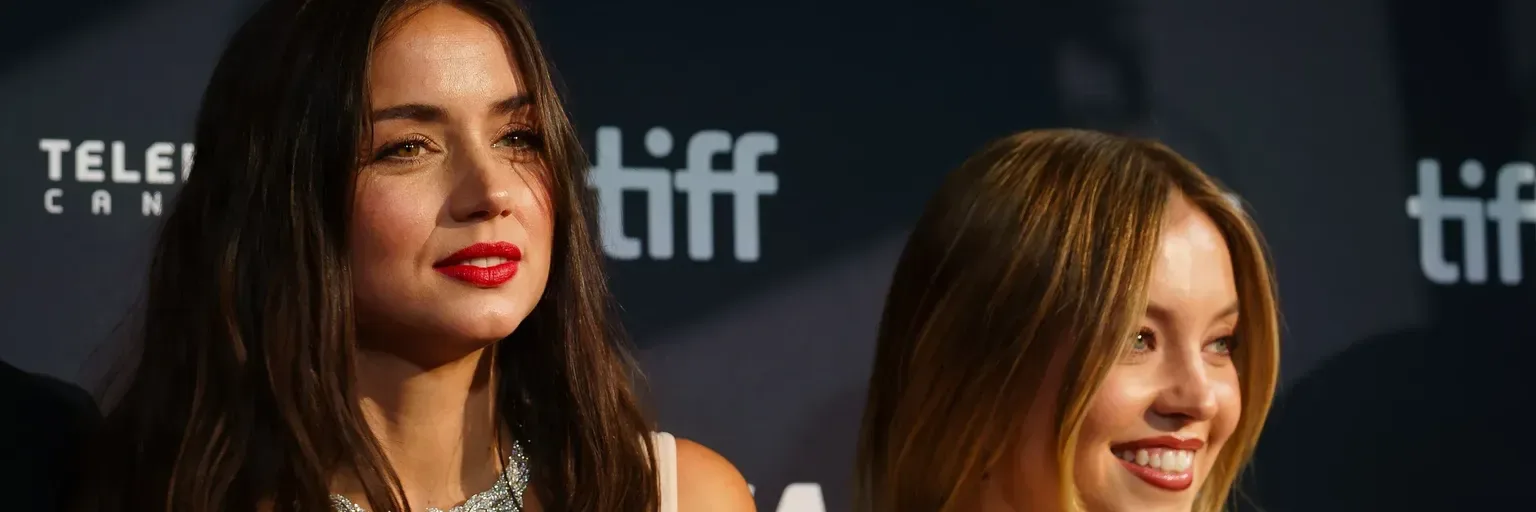
From a blonde bombshell to an incognito brunette, Sydney Sweeney’s latest moves highlight a celebrity navigating image control while simultaneously courting controversy with provocative sports betting ads.
The digital firestorm over Ambassador Barbera Thornhill's official portrait underscores a concerning trend: qualifications are sidelined as social media fixates on appearance, especially for women in power.
A federal judge's ruling that Elon Musk intimidated a former FEMA CFO highlights a concerning pattern of powerful figures using their platforms to silence critics and undermine public trust.
A seemingly trivial revelation about King Charles III's pre-dinner routine offers a curated glimpse into royal life, satisfying public curiosity while meticulously maintaining the mystique of monarchy.
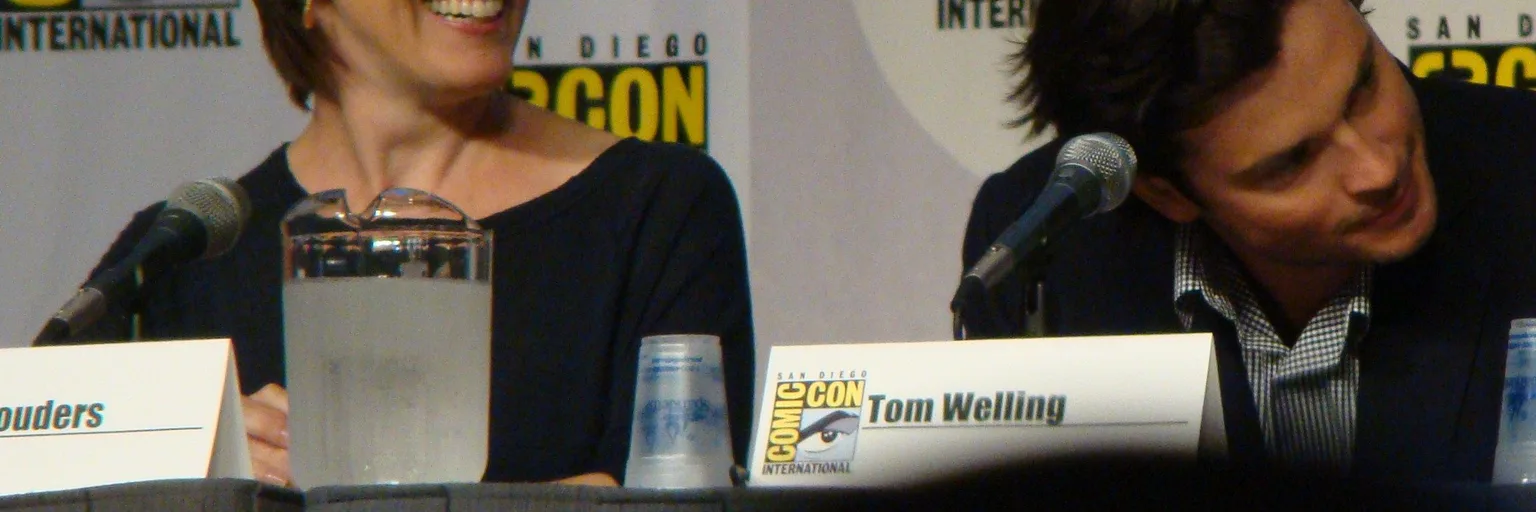
An accidental Instagram post during Comic Con became a blueprint for modern celebrity damage control, as Tom Welling's embrace of humor redefined how public figures manage their own stories.
Vera Fischer's surprising inclusion in a 'sexiest women' list at 74, ahead of younger stars, signals a powerful cultural shift in beauty standards and challenges ageist narratives.
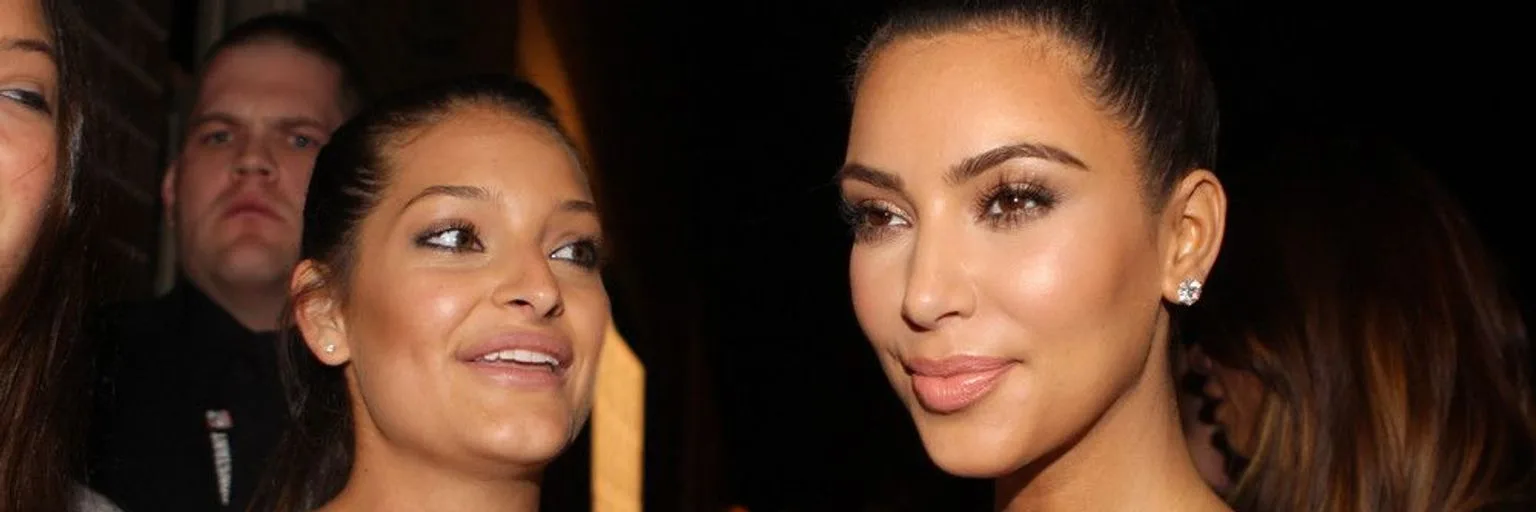
Kim Kardashian's recent statements about prioritizing self-healing before romance aren't just personal; they signal a savvy new celebrity playbook for controlling public narratives.
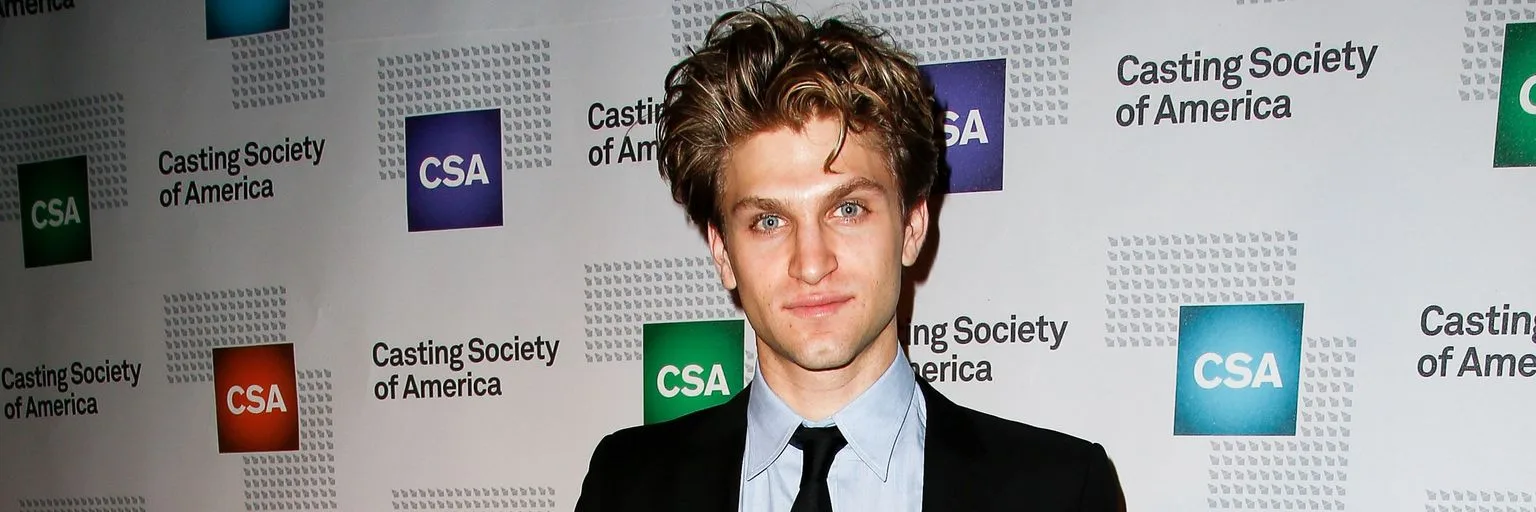
The armed robbery of 'Pretty Little Liars' actor Keegan Allen serves as a chilling reminder that celebrity status, far from offering invincibility, often amplifies unique vulnerabilities in an increasingly public world.
More than a celebrity tell-all, "Once Upon a Trainwreck" exposes the dark realities, exploitation, and psychological toll often hidden behind the bright lights of child fame, demanding a critical reevaluation of the industry.
Megan Fox's bold portrayal of an erectile dysfunction drug challenges industry norms, leveraging her 'sex symbol' persona to dismantle taboos and spark essential conversations.
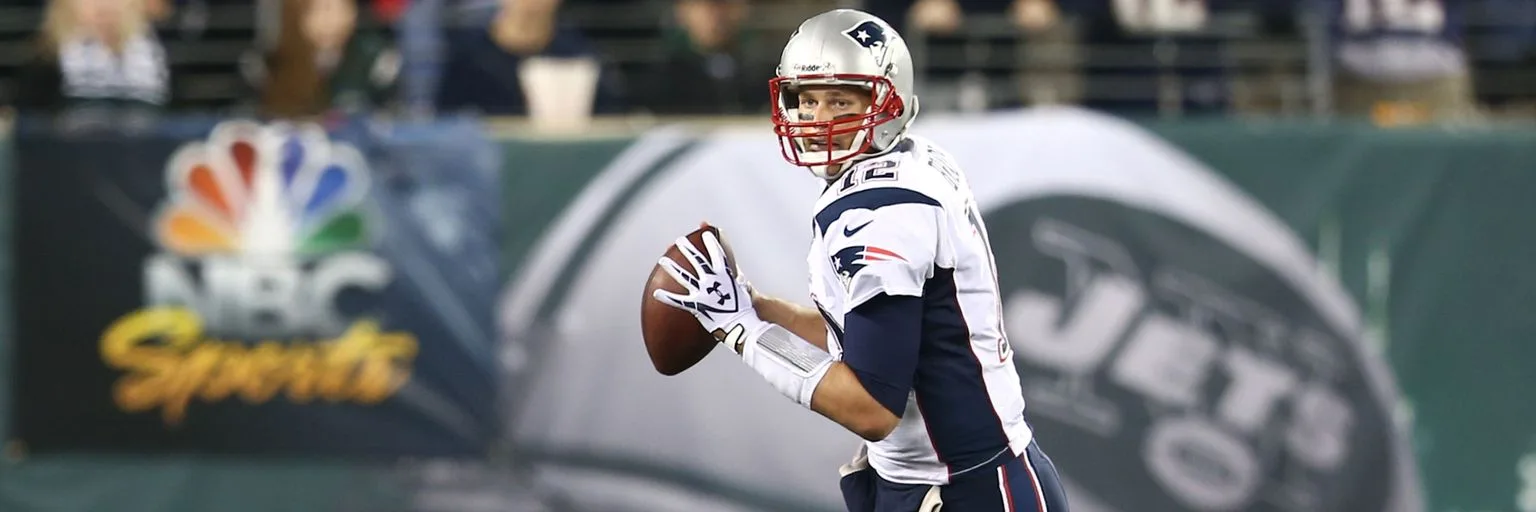
Four years post-split, Tom Brady's new biography and Gisele Bündchen's reactions prove that celebrity divorces are never truly over, serving as ongoing cultural touchstones.
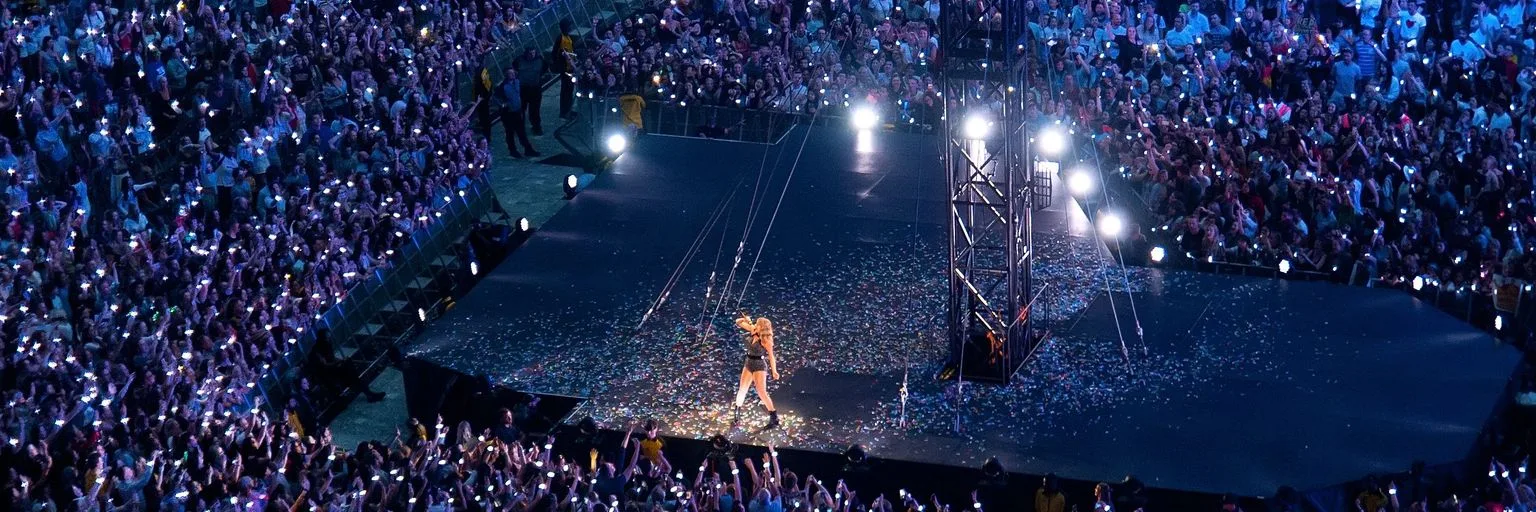
Taylor Swift's 'Saturday Night Live' appearance alongside Dakota Johnson highlights her unparalleled ability to weave personal experiences into public entertainment, proving her enduring dominance in pop culture by controlling her own story.
The surprising exodus of A-listers to Nashville reveals a significant shift, as many celebrities now prioritize privacy and a grounded existence over the relentless spotlight of traditional entertainment capitals.
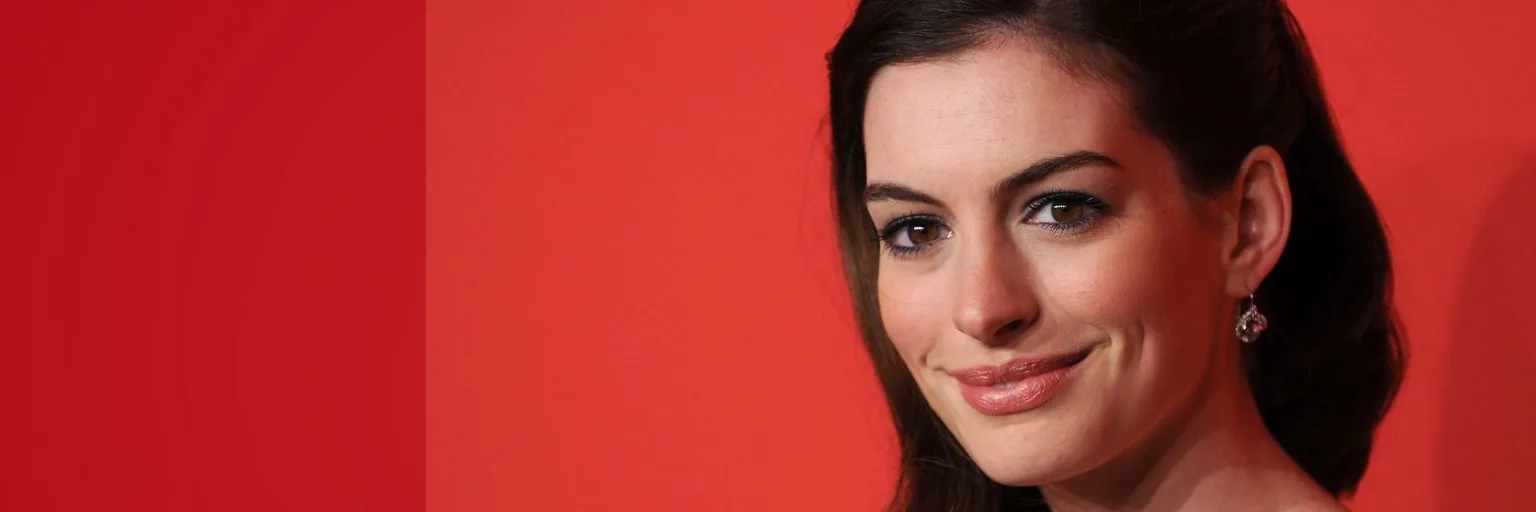
Anne Hathaway's journey through intense public scrutiny illustrates a powerful shift in celebrity culture, proving resilience and self-agency can redefine success beyond constant visibility.