Fickle Fruits: Why 'Frutinovelas' Are More Than Just Absurd Brainrot
The viral 'frutas infieles' trend on TikTok and Instagram proves that even the most nonsensical content can reveal profound truths about our insatiable appetite for drama and connection.
AI-generated image
Are we witnessing the final frontier of online storytelling, where a weeping strawberry can command more attention than a Hollywood blockbuster? The recent surge of 'frutas infieles' — or 'frutinovelas' — across TikTok and Instagram suggests the answer might be a resounding yes. This bizarre trend, featuring personified fruits embroiled in complex love triangles and betrayal, has quickly become a global phenomenon, proving that the digital age has an endless capacity for the absurd.
In essence, these are micro-dramas, often just 30 seconds long, designed for mobile viewing. Imagine a muscly banana, a scorned orange, or a jealous strawberry, all with hyperrealistic human faces and bodies, navigating classic telenovela tropes: infidelities, surprise pregnancies, family secrets, and impossible revenge schemes. What started as an unusual creative outlet by Colombian creator William Rico, as reported by Hola.com, quickly spiraled into a viral sensation, with characters like “Banana Negra” becoming household names among millions of users.
The Allure of Absurdity and the Cliffhanger Economy
What makes these short, fruit-centric sagas so compelling? The primary driver is their inherent absurdity, coupled with a masterful understanding of digital engagement. Each video is a standalone burst of drama, yet deliberately ends with a cliffhanger, practically compelling viewers to swipe to the next chapter. This episodic format, broken into easily digestible 30-second to two-minute segments, mirrors the fast-paced consumption habits of social media users, turning passive scrolling into an active narrative pursuit, as highlighted by Diario Río Negro.
The contrast between the intense, melodramatic plots and the simple, inanimate protagonists — everyday fruits — creates a comedic yet surprisingly effective vehicle for storytelling. It's a testament to the power of unexpected juxtaposition, drawing users in through sheer novelty and then hooking them with the familiar beats of human drama. This isn't just passive viewing; users are actively commenting, taking sides, and even demanding sequels, transforming a quirky trend into a participatory entertainment experience.
AI's Role in the "Brainrot" Revolution
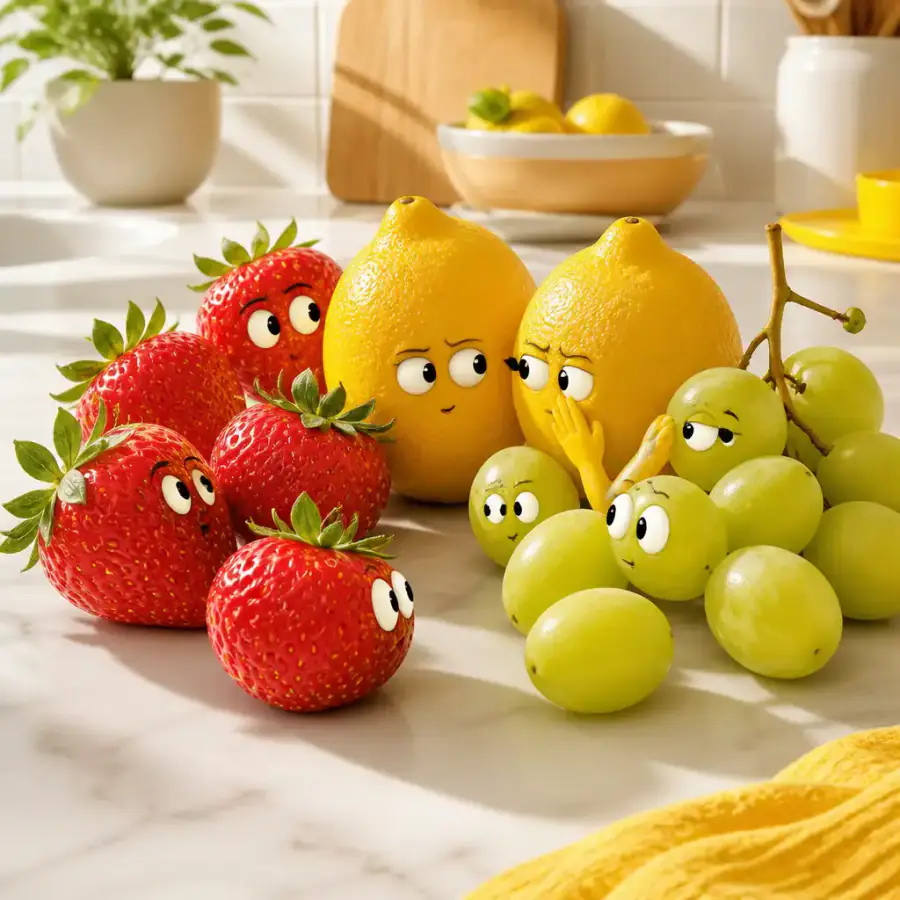
Behind the seemingly simplistic facade of these frutinovelas lies a sophisticated deployment of artificial intelligence. Many of these micro-dramas are crafted using AI tools, which facilitate the rapid generation of images, voices, and scenes at a low cost, without the need for actors or extensive production crews. This technological accessibility, as noted by Vanguardia, has democratized content creation, allowing countless users to replicate and expand the trend at an unprecedented pace.
This phenomenon also feeds into a broader trend known as
No topics yet: start the first one.
More stories
Olivia Dean's Lawsuit: When Inspiration Becomes a Legal Echo
The copyright infringement suit against Olivia Dean for her song "I've Seen It" reignites critical questions about musical originality, creative homage, and the significant financial stakes in the digital music era.

Iced Coffeegate: Why a Drink Sparks a Generational Culture Clash
A viral debate over bringing iced coffee to job interviews isn't about the drink itself, but exposes deep generational divides in workplace etiquette and evolving professional norms.