TikTok's 96-year-old star proves warmth beats polish, but not that TikTok pays
Grandma creators are cashing in because audiences crave comfort over gloss, though the money described in the reporting comes from brand deals, not from TikTok itself.
AI-generated image
What does it say about the attention economy when the most bankable personality in the room is a 96-year-old who started posting in 2020, initially out of boredom? It says the algorithm has finally found something it can't manufacture: someone who is not trying.
The story making the rounds is that of Lillian Droniak, known as "Grandma Droniak." As Correio Braziliense reports, the Connecticut resident has 15 million TikTok followers and earns enough to cover her care home, which costs up to US$12,000 a month. She went viral in June after saying her nursing home threatened to evict her for throwing parties. The home confirmed the threat but said it reached a deal letting her keep hosting, minus the alcohol.
She is not alone. The same story, which BBC Mundo also covers, profiles Viv Truran, 82, in Cardiff, with more than 800,000 followers; Nonna Gracie, 85, who cooks decades-old recipes for millions; and Barbara Costello, 77, a former teacher behind Brunch with Babs.
Audiences aren't buying age, they're buying comfort
The easy reading is "age is just a number." We think it's more specific than that. Naomi Baker, of the influencer marketing agency We Are Social, says these creators offer "conforto em um mundo incerto" (comfort in an uncertain world, in our translation from the Portuguese version we read) and that their wholesome content can work as an "avó virtual," a virtual grandmother, for followers. That sounds right to us. A feed built on ring lights, scripts and relentless optimization leaves a gap, and a woman filming a recipe she has made for decades fills it.
Notice who is watching. Droniak's audience skews young, many of them old enough to be her grandchildren. Truran says strangers, many of them women in their 20s and 30s, tell her they are afraid of getting old, and she tells them it isn't so bad. That is the real product, in our view: not recipes or scarves, but a reassuring answer to a question young people are scared to ask.
The money is real, but it probably isn't TikTok's
Here is where the headline, "Tenho 96 anos e o TikTok paga minhas contas" ("I'm 96 and TikTok pays my bills"), deserves a squint. Nothing in the reporting we have gives a single figure for what the platform itself pays per view. What the article does describe is brand money: Droniak's sponsored content with food and beauty companies, and Truran's work with Age UK, which paid her thousands of pounds for a recent campaign. Baker's explanation is telling: older creators tend to have deeply established, highly loyal communities with greater spending power, and that adds considerable value for brands.
So the lesson, we think, is not that the platform has become a pension. It's that trust is monetizable, and brands will pay for it. Grandmas are the winners of that logic; the platform looks more like the venue. We'd treat anyone promising a steady TikTok income as a seller of something.
Charm is a fragile asset, so protect it
Two cautions. First, sponsorships are probably lumpy and depend on staying likable, which is a lot to ask of anyone, never mind someone in their 90s. Droniak's income also goes to a college fund for her great-grandchildren, so the stakes are not abstract.
Second, at least two of these women got started through a grandchild's help. Droniak's grandson edits her sponsored posts; Nonna Gracie's grandson Matthew suggested filming her. Nothing in the reporting suggests anything but affection, and Gracie says she cries when messages arrive from around the world. Still, a family business built on an elderly person's face deserves clear agreements about who decides, who gets paid, and when she can say no. Truran models the alternative: she says she is selective, and that she has turned down big offers because the brand wasn't her thing.
Our verdict: celebrate the grandmas, and copy their instinct rather than their numbers. Be unpolished, be specific, and be picky about who you take money from. If you're a younger relative holding the phone, remember you are not the star. Make sure the person who is gets a say in the deal.
No topics yet: start the first one.
More stories
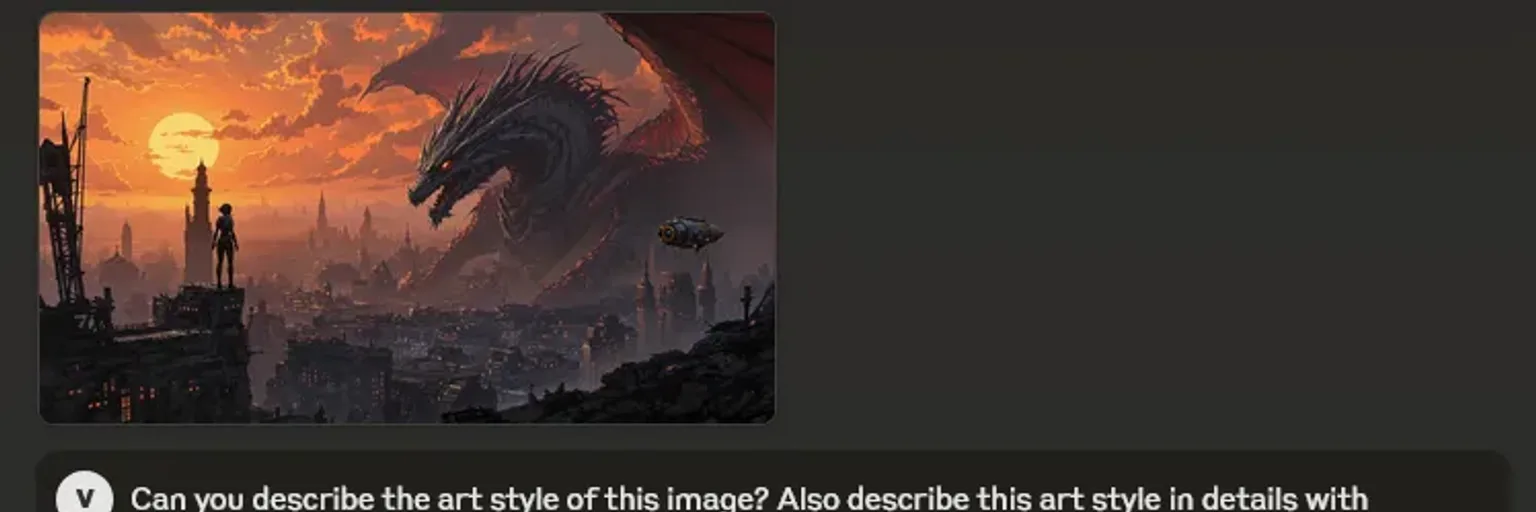
Nonna Silvi proved that viral fame can be flour-dusted, not focus-grouped
The Tuscan grandmother who went from her son's bakery to Forbes Italia shows that unscripted, family-made warmth outlasts the polished influencer playbook.
MrBeast sells authenticity, but his reported exit letter asks ex-staff for silence
Reported social media limits on MrBeast's former employees clash with a brand built on openness. Audiences should ask for more than good vibes.
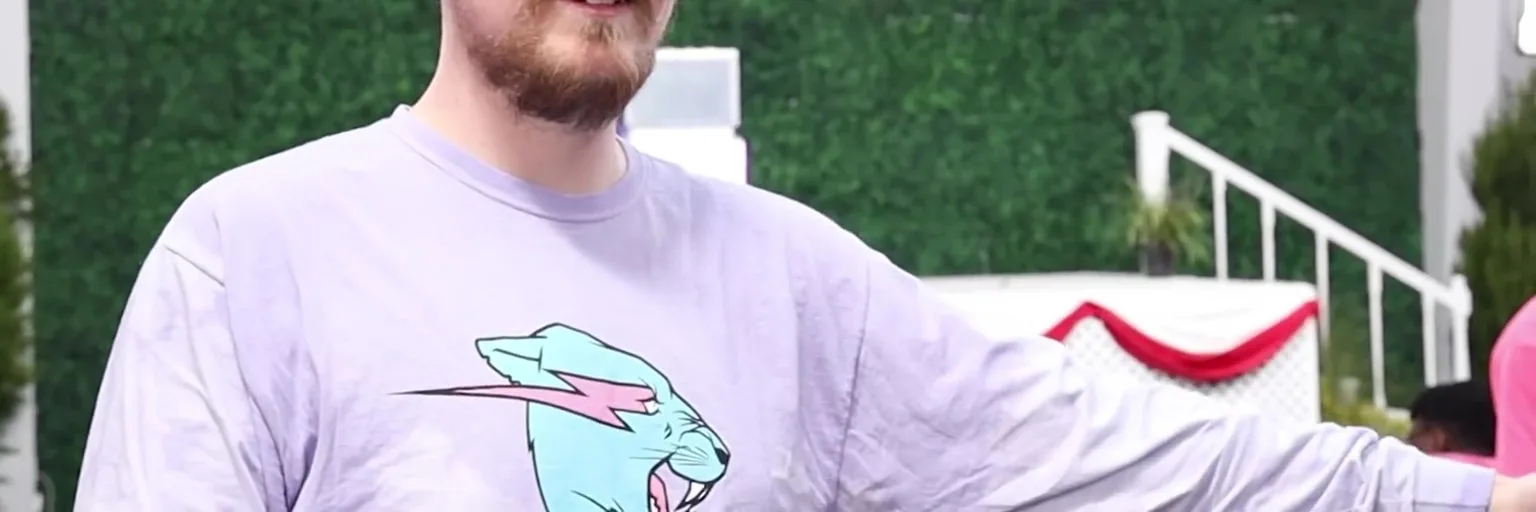
The Pokémon Happy Meal is a drop for adults with a toy attached
McDonald's is reportedly bringing back Pokémon cards and toys on November 10, and the real customer isn't the kid in the booster seat. It's the nostalgic adult with a FOMO problem.
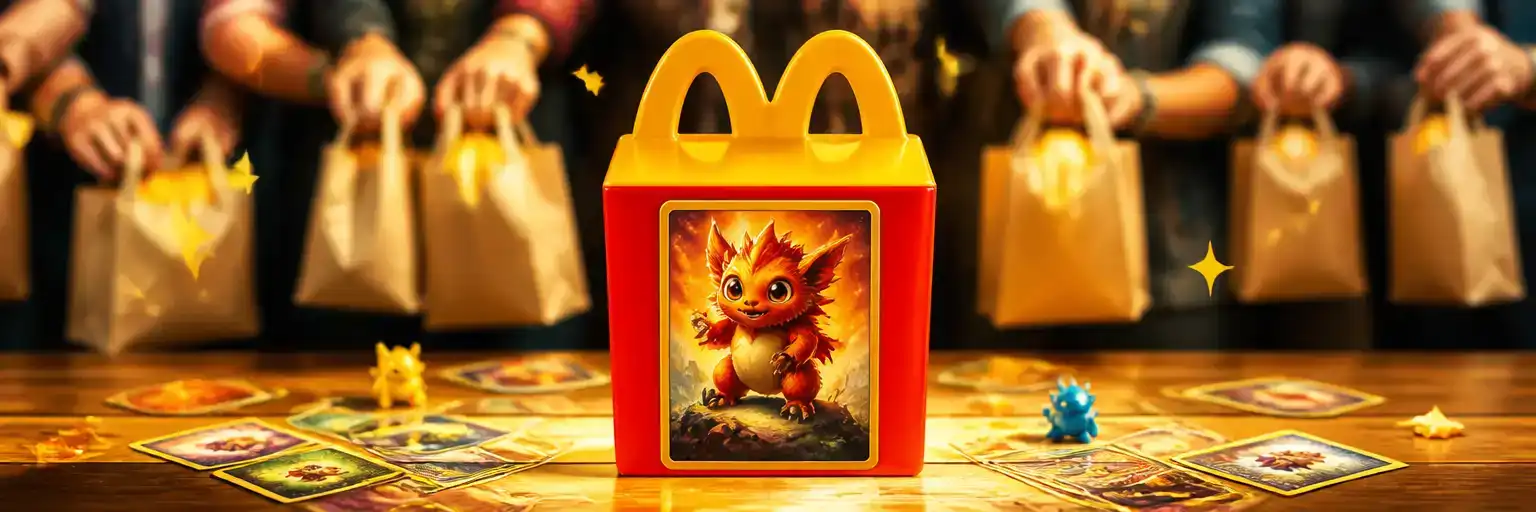
AI game mashups aren't fan art. They're a copying machine with a meme budget
Skyrim in Minecraft is fun for 30 seconds. The real story is who profits when decompiling a game takes an evening, and why fan-art logic only stretches so far.