Trendsfera Newsroom
Coughlan's Harry Potter boycott: silence is now a choice
Nicola Coughlan's refusal to touch HBO's Harry Potter turns actor opinions into brand risk, and the cast now has to pick between the franchise and what it says.
Nicola Coughlan's refusal to touch HBO's Harry Potter turns actor opinions into brand risk, and the cast now has to pick between the franchise and what it says.
Viewers branded the teen drama 'softcore porn' and demanded its cancellation, yet critics and audiences rate it highly. Outrage may be streaming's cheapest trailer.
Olivia Cooke stepped away from social media over fandom toxicity. We think the real story is who gets to log off, and who has to stay.
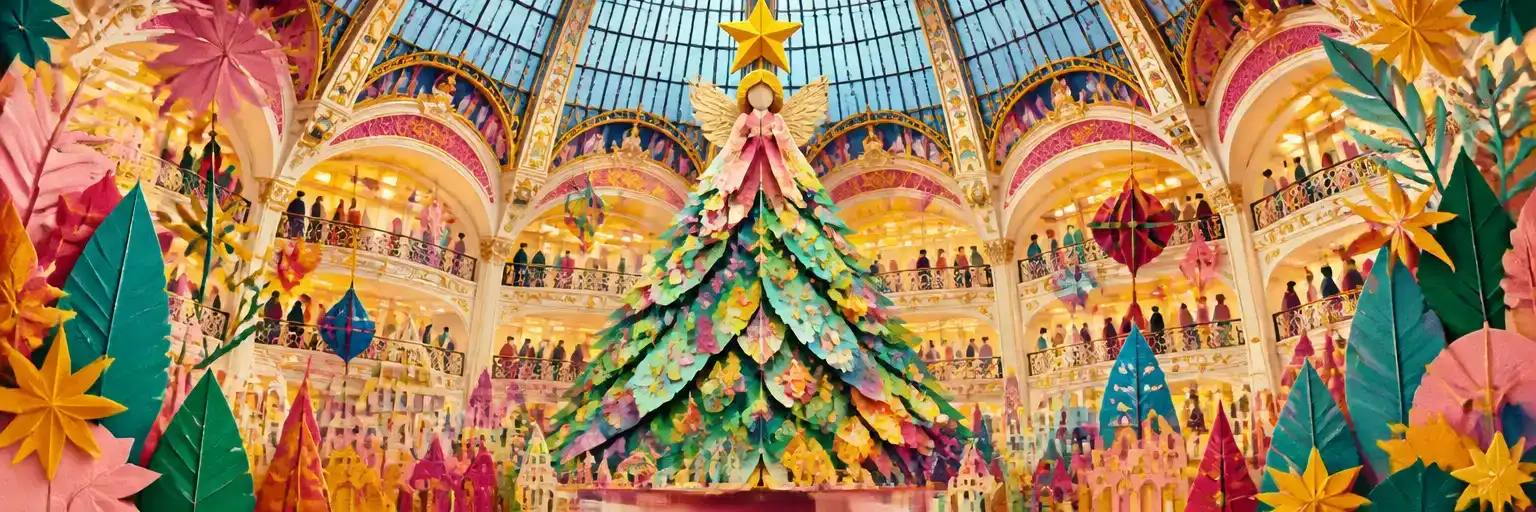
Paris is mocking a Galeries Lafayette tree for looking like a kindergarten project. We think that's the point, and the backlash says more about our Instagram-ready taste than about the tree.
A 1960 paper set the end of humanity for today, Friday the 13th, on its author's birthday. It was a magician's trick, and it works better as a trick than as a forecast.
The collapse of David Walliams' family-friendly empire shows that a lovable persona is a product, not proof of character, and that networks and fans keep mistaking one for the other.
CAA and Ogilvy's ECHO turns fame into a licensable asset. That's smart for talent, as long as consent is real and viewers can always see what's synthetic.
Three hundred games in, Erin Andrews' real product isn't the sideline report. It's a personality that sells clothes, fills podcasts and eyes the morning couch.
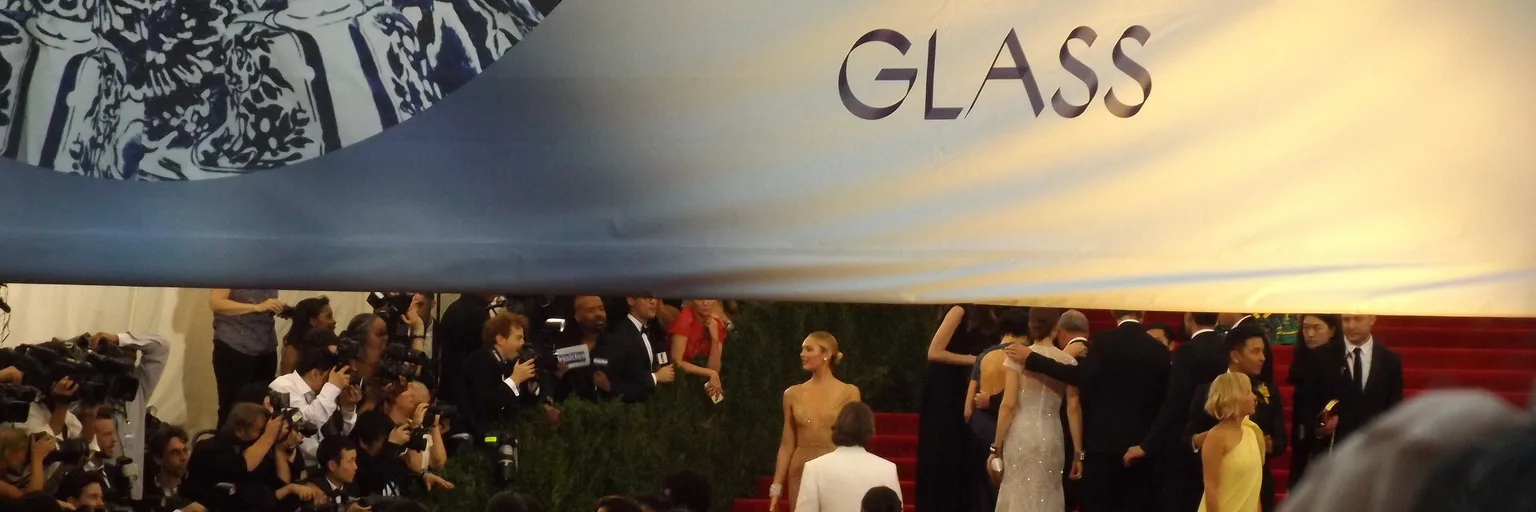
After the Galliano cancellation, a theme about jeans and T-shirts looks like a safe retreat. But the red carpet will probably make the ordinary extraordinary anyway, and that's the point.
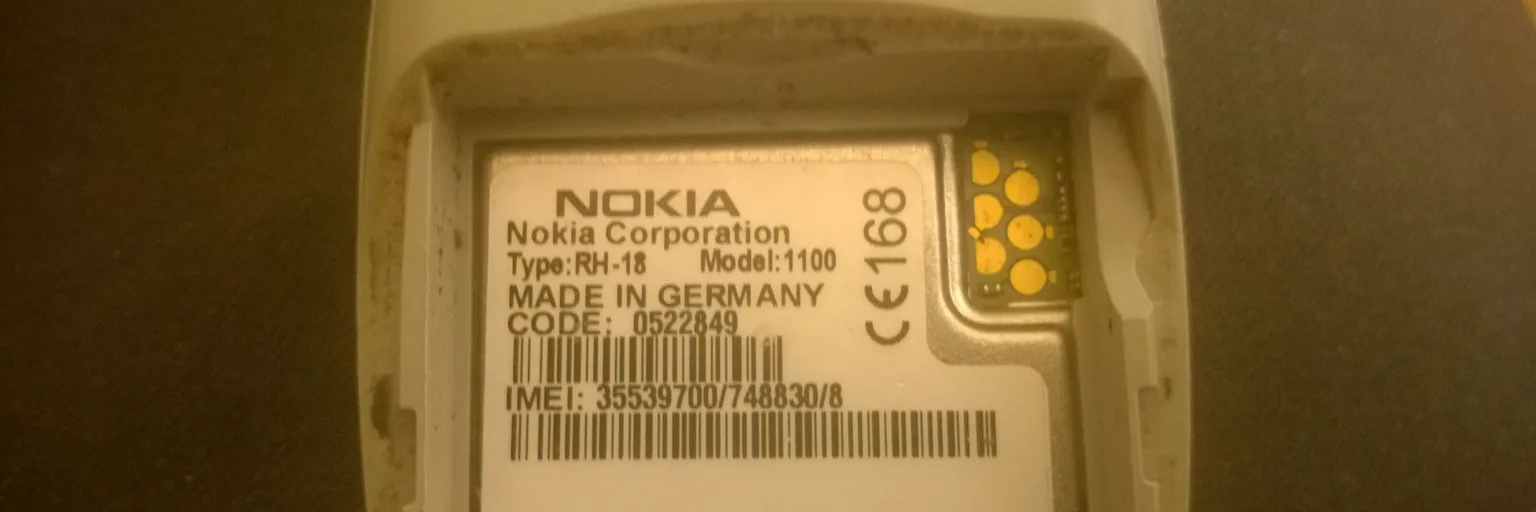
Young people are eyeing a 2003 phone with no internet. It's less retro cosplay than a quiet rebellion against screens, and it only works if you accept what you give up.
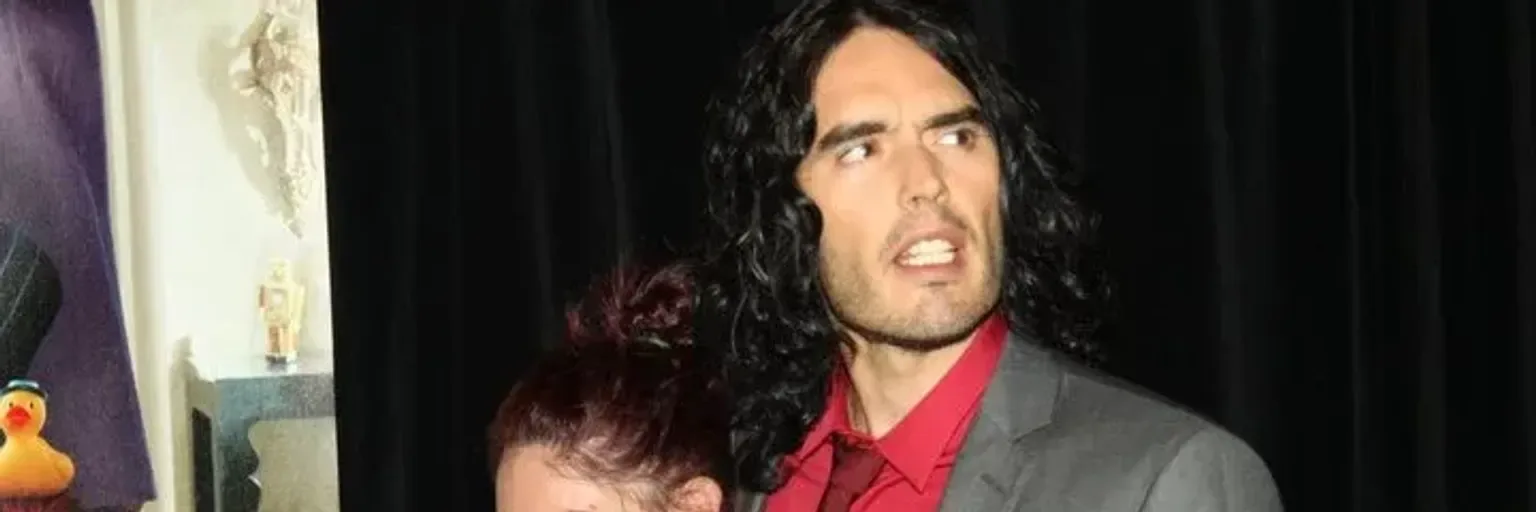
A London jury convicted Brand of rape and sexual assault. The verdict exposes how the anti-establishment persona worked, and why we were so slow to ask what it protected.
Jen Affleck posted her daughter's fifth birthday a day after filing for divorce. Whether staged or sincere, the kids-first frame works like a press release.
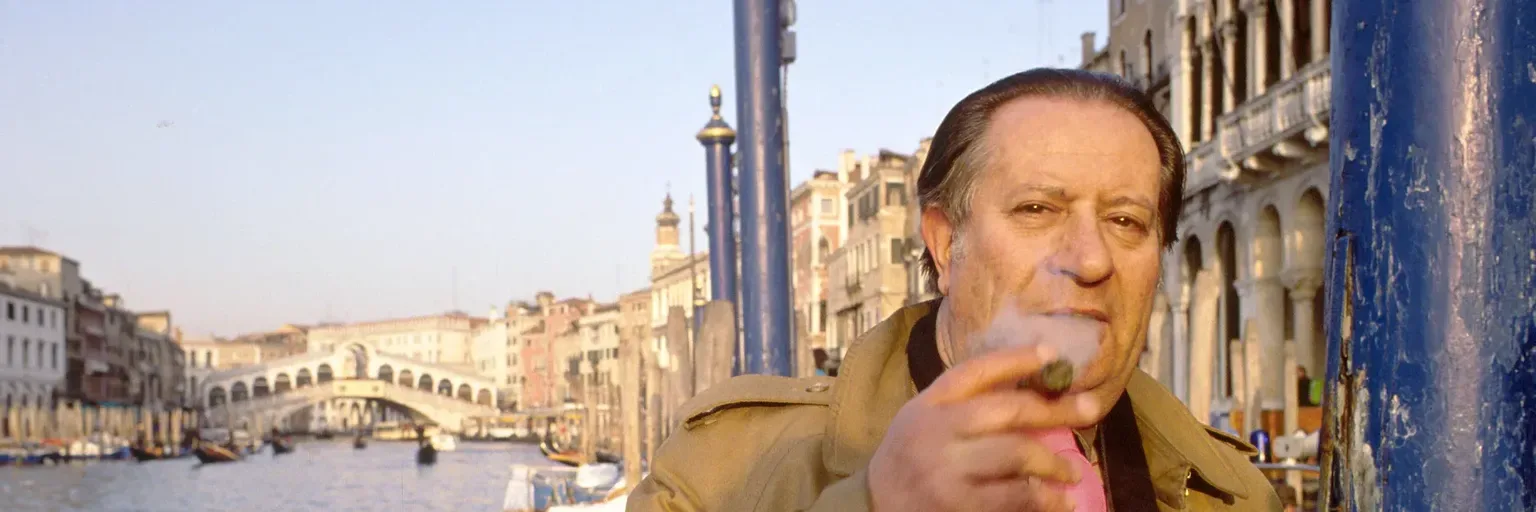
Brass's death at 93 isn't just an obituary: it's a reminder that erotic cinema once had authors, and that free, endless explicit content hasn't produced a single one.
Saying Glenn Close deserved the 1988 Oscar over Cher is the cheapest provocation in Hollywood: it costs nothing, offends no one for long, and sells a memoir.
A fitness influencer's "arrest," staged for social media according to police, is less a prank than a genre. The real cost is paid by cops and by our trust in real arrests.
The stylist who cut Diana's hair also sold anti-frizz serum on talk shows. His death at 75 is a reminder that the celebrity hairdresser invented the beauty-brand playbook.
A Court of Splintered Harmony sold 1.7 million copies on day one, and the costumes, lingerie and ball tickets say the book is only half the event.
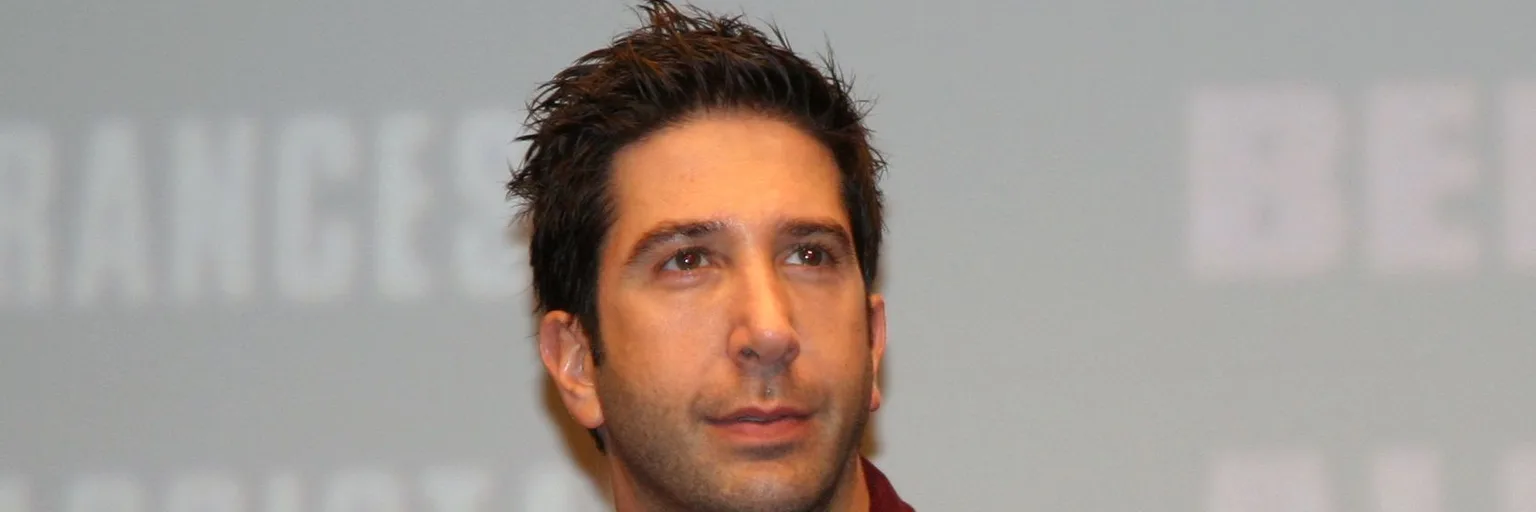
At 60, Schwimmer never landed a second mega-hit. We think that only looks like a flop if you grade fame by box office; by survival, he did better than most.
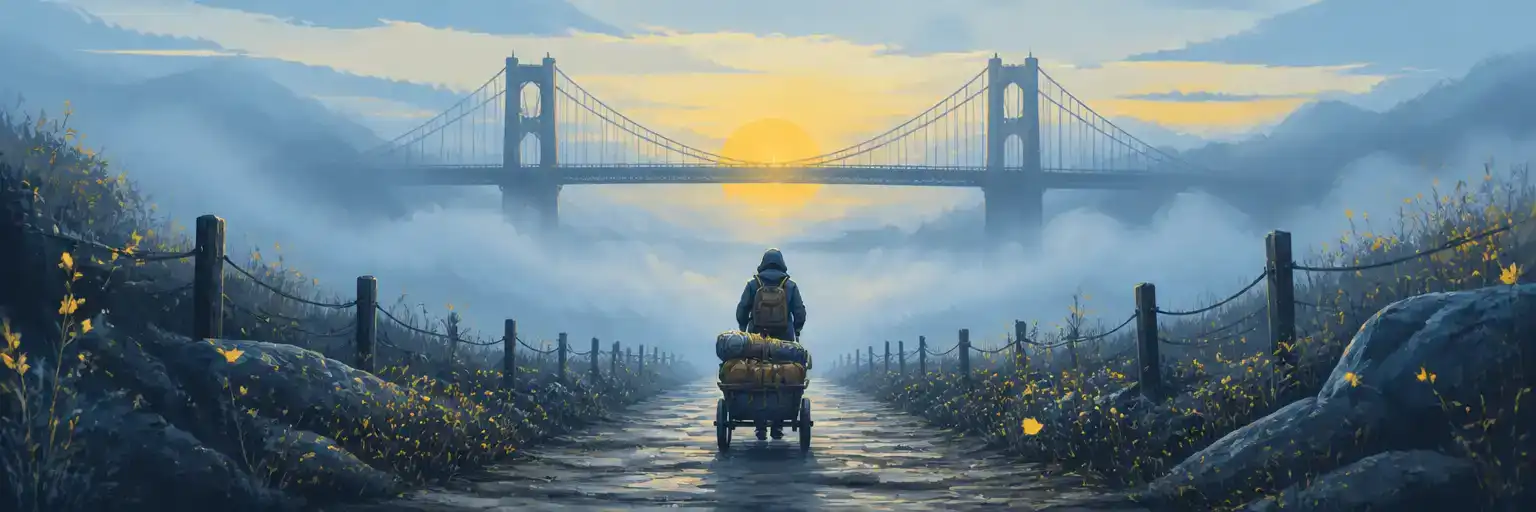
Admire the stubbornness all you like, but a walk that took a father away from an 8-year-old son deserves as much scrutiny as applause. Who really paid for the finish line?
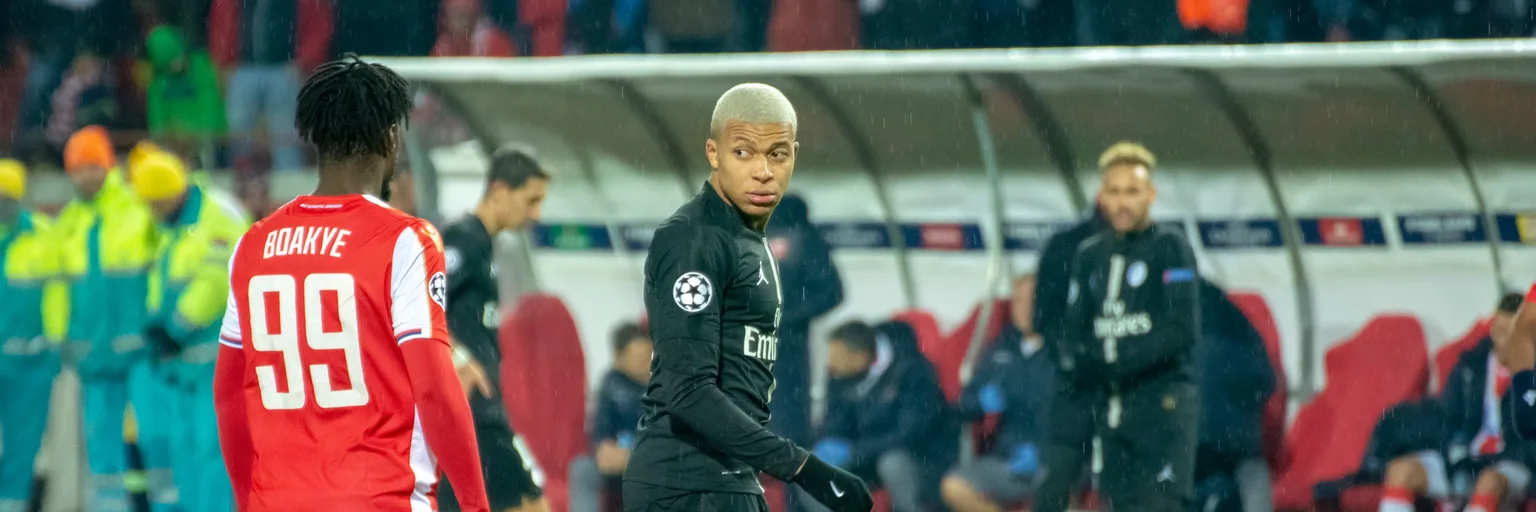
Mbappé's offhand line about a "Chinese dictator" meme cost him sponsors and kept La Liga off China's state TV. Celebrity speech is now a line item in every global brand's risk sheet.