Maxxing: The Paradox of Our Obsession with Permanent Performance
From perfecting sleep to optimizing leisure, the 'maxxing' phenomenon reveals a societal quest for constant self-improvement that risks transforming well-being into another metric to obsessively track and achieve.
AI-generated image
Is there any aspect of our lives left untouched by the relentless push for optimization? What began as an online subculture dedicated to physical self-improvement has metastasized into the pervasive 'maxxing' phenomenon, a slang term derived from 'maximize' that describes the practice of systematically optimizing every conceivable area of life [S1, S6, S8]. From our sleep to our productivity, finances, and even relationships, everything has become a variable to adjust, a ratio to improve, a score to publish [S3, S6, S8]. This isn't just about pursuing healthy habits; it's about transforming wellness into another relentless quest for permanent performance, often fueled by social media [S2, S4, S6, S8, S10].
Nowhere is this more evident than in the booming trend of 'sleep maxxing' among young Koreans. Once a society where sacrificing sleep was intertwined with ambition and hard work—reflected in the saying 'you can sleep when you're dead'—a significant shift is underway [S1]. The previous 'miracle morning' trend, which advocated for early waking for self-development, has given way to an intense focus on maximizing sleep quality [S1]. Young professionals like Kang, a 30-year-old office worker, are investing in smartwatches to track deep sleep, taking supplements, and using sleep masks and earplugs as bedtime essentials [S1]. Jung Hye-won, 31, has developed an elaborate 'sleep routine' involving dimmed lights, e-books, steam eye masks, massagers, and sleep-inducing fragrances to signal her body it's time to rest [S1]. These efforts are not merely about sleeping longer but about achieving 'optimal' rest, turning sleep into something to be measured, analyzed, and perfected [S1].
The Exhaustion Behind the Optimization
This intense focus on sleep optimization is not without reason. It emerges from a backdrop of chronic fatigue and stress plaguing young Koreans. Data from South Korea's national statistics agency reveals that 32.2 percent of individuals aged 19 to 34 reported experiencing burnout in 2024 [S1]. The number of patients seeking medical treatment for sleep disorders has also surged, rising from 1.04 million in 2020 to 1.3 million last year [S1]. It appears that young people, unable to reduce their working hours, are attempting to manage at least their sleep time properly, as one office worker noted [S1].
The 'maxxing' movement, however, extends far beyond sleep. It started in masculinist online forums with 'looksmaxxing,' an obsessive pursuit of physical perfection, before spreading to TikTok and other platforms, permeating every aspect of self-improvement [S3, S5, S6, S7]. Now, we see 'gymmaxxing,' 'productivity maxxing,' and even 'potassiummaxxing' for eating bananas, transforming every daily gesture into a protocol aimed at becoming the 'best version of oneself' [S3, S6, S8]. This cultural shift, which repackages older 'wellness,' 'hustle,' and 'girlboss' cultures, is a testament to a society deeply entrenched in the language of startups: tracking, KPIs, iterations, and relentless performance [S6, S8].
The Paradox of Performance and the Cost to Well-being
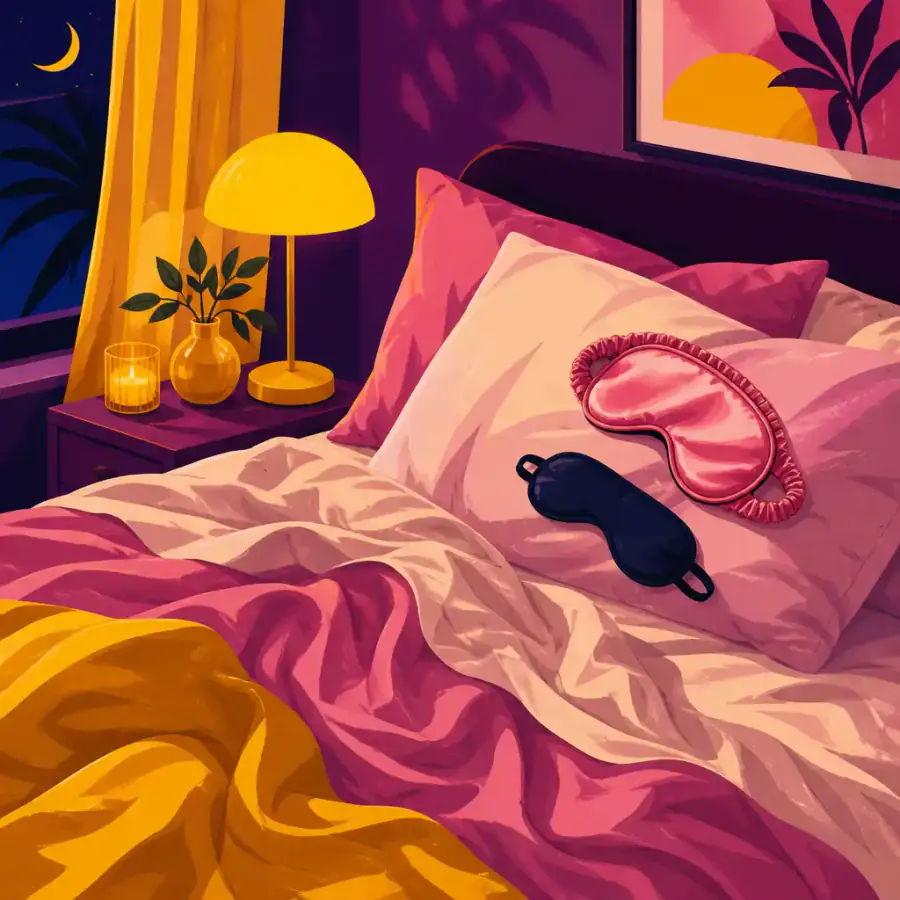
Despite its seemingly positive aims, the 'maxxing' phenomenon harbors a significant paradox: the very act of intensely striving for perfection can undermine well-being. Experts warn against turning rest into another performance metric, noting that the pressure to constantly manage oneself amid intense competition has now extended to sleep, potentially interfering with it [S1]. Park, a 35-year-old who tracks her sleep score daily, admits that a low score immediately triggers anxiety about the day ahead, and skipping even one part of her routine makes her anxious about sleeping properly [S1]. This reveals how the pursuit of optimal sleep can become a new source of stress, fostering an obsession rather than genuine rest [S1].
More broadly, maxxing can fuel perfectionism, foster constant comparison, and lead to an unrealistic pursuit of self-care that feels perpetually out of reach [S6, S8]. For instance, 'looksmaxxing' among young men has been linked to unhealthy obsessions, dangerous behaviors, self-harm, and negative impacts on mental health [S6, S8]. When self-worth becomes tied to obsessively tracking progress and believing in constant improvement, individuals risk feeling controlled by the trend itself [S6, S8]. The relentless drive for optimization leaves little room for the normal, imperfect experiences of being human [S6, S8].
Nothing Maxxing: The Ultimate Performance?
In a fascinating twist, a counter-trend emerged in late 2025: 'nothing maxxing.' This seemingly rebellious movement challenges the culture of constant optimization by advocating for doing absolutely nothing, for as long as possible [S3]. Groups have been observed gathering in malls, sitting silently and motionless, while others undertake the challenge alone, often filmed, as if attempting to break a record [S3].
Yet, this counter-movement ironically highlights the deep-seated nature of our performance culture. Even the act of doing nothing is transformed into an activity that must be justified, programmed, organized, and shared online, becoming a viral trend and a new form of performance [S3]. 'Nothing maxxing' may be the ultimate expression of the very culture it attempts to resist, proving that in a world obsessed with 'maxxing,' even emptiness can be optimized and measured.
Ultimately, 'maxxing' reflects a profound societal tension: a desire for personal growth clashing with the relentless pressure of a performance-driven world. While some aspects can encourage healthy habits, the core of the trend risks pushing individuals into an unending cycle of self-monitoring and striving that can detract from true well-being and leave us more exhausted than fulfilled. Perhaps it is time to question whether every aspect of life truly needs to be maximized, or if genuine well-being lies in finding balance and accepting the occasional imperfection.
No topics yet: start the first one.
More stories
Girl Dinner: More Than a Snack, It's Reshaping How We Eat Out
What began as a low-effort TikTok trend for a solo meal has blossomed into a full-fledged restaurant strategy, signaling a significant cultural shift toward casual, customizable dining.
The 'Anticolorete' Technique: Subtle Blush, Radical Shift
A new wave in beauty embraces understated enhancement over overt transformation, signaling a profound change in our collective aesthetic values.

Beyond Walks: Why Your Pet's Boredom Is Tearing Up Your Home
Physical exercise alone isn't enough for our furry companions. The rising understanding of pet boredom reveals a critical need for mental stimulation to prevent destructive behaviors and foster truly happier human-animal bonds.