David Schwimmer's "failure" after Friends is the smartest exit plan in sitcom history
At 60, Schwimmer never landed a second mega-hit. We think that only looks like a flop if you grade fame by box office; by survival, he did better than most.
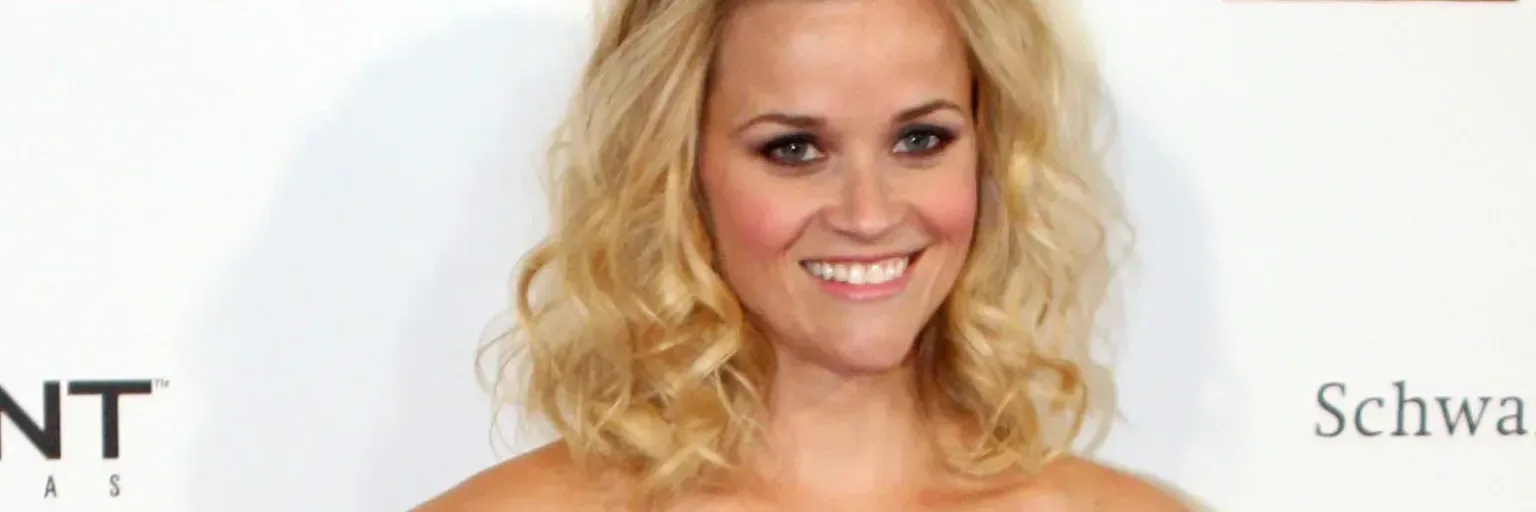
Photo: toothgap / Wikimedia Commons (CC BY-SA 2.0)
What do you do when you've played the most recognizable lovelorn paleontologist in television history, and everything afterward is judged against him? If you're David Schwimmer, who turns 60 today, you apparently shrug, go back to the theater and let the headlines call you a disappointment.
And they do. German outlets marking the birthday keep returning to the same frame: Bunte says his successes after "Friends" failed to materialize, and others say he never landed a second giant hit. Fair enough, as far as it goes. We just think "as far as it goes" is not very far.
The box-office math is real, and also beside the point
Let's give the skeptics their evidence. After the finale on May 6, 2004, Schwimmer moved mostly behind the camera. According to ksta.de, his first project, the sitcom "Nevermind Nirvana," found no network. His directing debut in cinema, "Run, Fatboy, Run" (2007), got modest reviews but grossed $33.5 million worldwide and topped the UK charts for four weeks. His thriller "Trust" got the opposite treatment: strong reviews, a top rating from Roger Ebert, and roughly $600,000 at the box office. Another film, "Duane Hopwood," made a catastrophic $13,510, per viply.de.
That is not a blockbuster résumé. But notice what the list actually shows: a man who kept making things he apparently wanted to make, and who was sometimes rewarded by critics ("Trust") and sometimes ignored by audiences (few went to see it). That is what a working director looks like. Failure is a feature of the job, not a verdict on the person.
Ross was a trap, and he treated it like one
The more interesting story is the shadow. Viply reports that Schwimmer once told the New York Times he had decided it would take ten years for Ross to stop overshadowing his face. It also reports that he told the Times he had a whole toolbelt of skills as an actor, while "Friends" asked him to keep swinging the same hammer. We're paraphrasing a German-language report of those remarks, so take the wording as approximate. The sentiment is clear enough, though.
Compare that with the usual script for a defining role. The standard options are to chase the anti-Ross immediately, with a gritty drama and a shaved head, or to cling to the original forever. Schwimmer, it seems to us, did neither. He took small, funny guest turns on shows like "30 Rock" and "Curb Your Enthusiasm," voiced a giraffe in the "Madagascar" films, and waited. His first lead role in a series after "Friends" came in 2016, as Robert Kardashian in "American Crime Story." Arguably it worked because audiences could not quite see Ross in it. Then came the British comedy "Intelligence" (2020-2023) and a role in the second season of "Goosebumps" in 2025.
By ksta's count, he has appeared in only eight feature films since "Friends" ended. We'd call that restraint rather than decline. Fewer public attempts to escape Ross meant fewer public failures to escape Ross.
Stability is a career strategy, not a consolation prize
Then there is the money, which polite biographies tend to skip. Viply reports that each of the surviving cast members is said to still earn around $20 million a year from the show's ongoing exploitation, citing Lisa Kudrow's apparent confirmation to The Times this year. That is a reported figure, and we'd treat it as such. But if it's even in the right neighborhood, it probably explains a lot. We suspect Schwimmer never had to take the job that would make him a cautionary tale. He could afford to be choosy, to have gaps in his filmography, and to say no.
And the latest chapter fits the pattern. As ksta reports, in September 2026 he took up a post as producer and director at the Lookingglass Theatre in Chicago, a company he co-founded with friends after his theater studies and kept returning to even after global fame. That's not a retreat. It's a man going back to the one place that was his before Ross existed.
Skip the second hit, steal the playbook
The cultural obsession with the "second hit" says more about us than about him. We want our stars to either keep winning or flame out spectacularly, because both stories are tidy. Schwimmer offers a third, less shareable one: he had one of the most successful jobs in television, did not let it define the rest of his life, and built a quiet, varied career around it.
Is that a lesser legacy than a franchise? We don't think so. If you're ever handed your own Ross, the Schwimmer playbook is worth stealing: take the money seriously, take the work seriously, and take yourself a little less seriously than the headlines do. And if his best acting years really are ahead, as viply speculates, then the joke is on everyone who wrote him off too early.
No topics yet: start the first one.
More stories
Heidi Klum's severed hand wins Halloween because it has a joke
Klum's giant left hand and Lily Allen's Ticketmaster seat map show celebrity Halloween rewards concept over cash, and a point of view beats a bigger prosthetics budget.

Martha Stewart's apology came late: a costume joke can't hide behind 'awareness'
Stewart said her homeless costume was about awareness, then admitted it was insensitive and not funny. The second statement was the honest one.

Kim Kardashian's surgery shows the real cost of health candor
Kim Kardashian's openness about her esophagus surgery may help viewers get checked, but the way we consume celebrity scares is turning candor into obligation.

Reese's Hello Sunshine buyback is no victory lap, and staff are paying
Buying back a celebrity-founded company at a deep discount sounds like a comeback. Reportedly cutting about half the staff weeks later shows how fragile the personal-brand empire was.