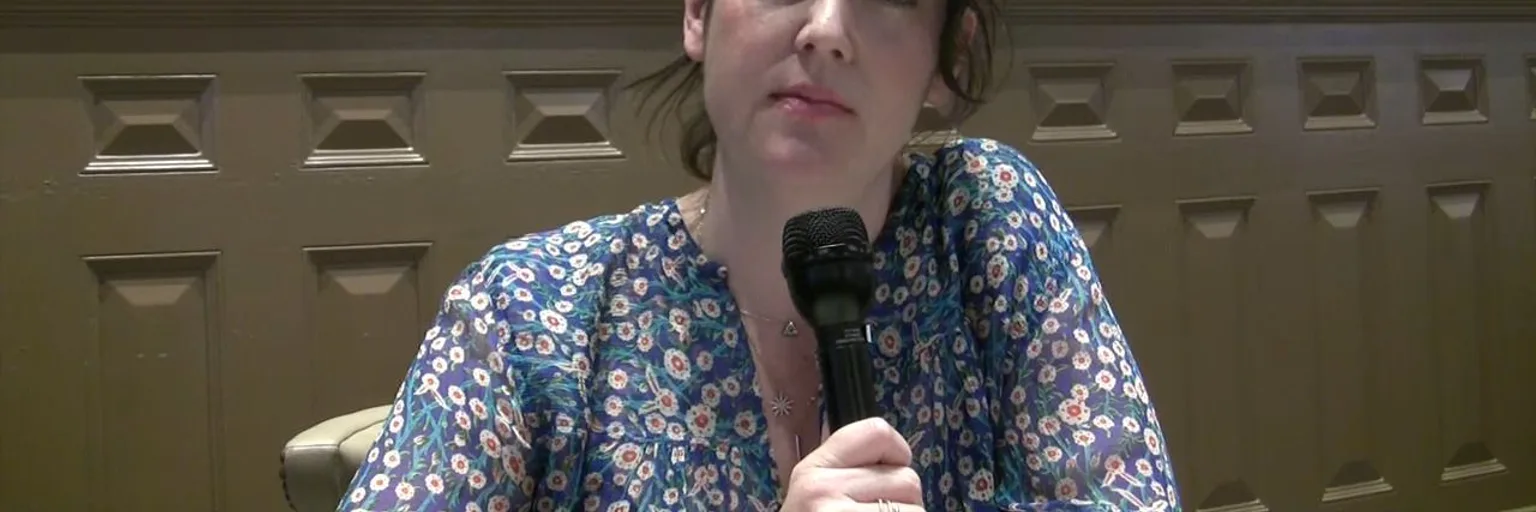
Reese's Hello Sunshine buyback is no victory lap, and staff are paying
Buying back a celebrity-founded company at a deep discount sounds like a comeback. Reportedly cutting about half the staff weeks later shows how fragile the personal-brand empire was.
Photo: Eva Rinaldi / Wikimedia Commons (CC BY-SA 2.0)
What do you call it when a founder gets her company back and the first order of business is a layoff list? Depending on your taste for corporate spin, it's either "refocusing" or the bill arriving. Reese Witherspoon's return to Hello Sunshine is being told as a comeback story. We think the more honest version is a story about what a celebrity-brand empire is actually worth once the hype cycle ends, and who pays when it isn't worth what everyone said.
The facts are less triumphant than the headline
On October 13, Witherspoon announced she had joined forces with the Paris-based group Mediawan to buy Hello Sunshine back from Candle Media, which took a controlling stake in 2021 at a valuation of around $900 million. According to Livemint's report, the price was reportedly in the low to mid eight figures, an estimate attributed to Axios and sources, not a confirmed number.
Then, on October 30, US trade outlets reported that roughly 30 people, nearly half the workforce, were being let go. Hello Sunshine hasn't publicly confirmed the figure and declined to comment to TheWrap, so treat the number as reported, not official. The company will reportedly concentrate on film and TV and on Reese's Book Club, while the direct-to-consumer arm gets dismantled or heavily scaled back.
This isn't a victory lap, it's a markdown
Let's be clear about the framing: she didn't pay $900 million to get her company back. TheWrap described the deal as a "startling discount" from that valuation. That changes the genre. A founder who buys back at a fraction of the old mark isn't winning a trophy; she's picking up a repriced asset. The 2021 deal came during a period of heavy investment in entertainment, with streamers competing for original content, and we think it also reflected a belief that a famous face could be scaled into a platform. That moment is gone.
It's worth being fair here. Per Livemint, TheWrap's analysis points to the 2023 Hollywood strikes, reduced studio spending and weaker advertising as factors that hurt growth, and says the direct-to-consumer subscription plans did not expand as expected. Those are real headwinds that no founder controls. Still, arguably the part of the business that fell short is the one that was supposed to justify the valuation: turning an audience into customers for everything beyond entertainment.
The personal brand is the product, and the product doesn't scale like software
Here's our read, and it's an opinion: the lesson isn't that Witherspoon's audience is fake. The Book Club, per figures Axios cited, reaches around 6.2 million readers and drives roughly $900 million in US book sales. That's an impressive engine, and it survives the restructuring. What didn't survive is the assumption that trust in a person transfers cleanly to a lifestyle conglomerate. People will take a book recommendation from someone they feel they know. Whether they'll pay a monthly fee for the rest of her taste is a much harder sell.
That's the fragility. A personal-brand empire has one asset, the founder's credibility, and a stack of cost centers built on the bet that it's infinitely extensible. When the bet fails, the credibility stays and the cost centers go. The people working in the consumer-facing division are the ones who, reportedly, absorb the correction, though staff in social and digital marketing and partnerships are among those expected to stay.
Who wins, who loses
The winners are Witherspoon and Mediawan. She gets the company back under her influence, along with a track record that includes The Morning Show, Big Little Lies and Daisy Jones & the Six. Mediawan gets a studio with a brand and a source of book-to-screen material in the Book Club. Hello Sunshine will now operate as part of Mediawan's wider production group, which probably means more shared infrastructure and less need for its own.
The losers are the roughly 30 employees reportedly let go as the company goes back to being a production shop. We'd also add the idea of the "celebrity CEO" as a growth story. Founders will keep telling this one as a lesson in resilience, and some of it is. But a lesson that ends with nearly half the team out of work is a strange one to celebrate.
Our verdict
Reese Witherspoon's move is probably smart business: narrower, cheaper and built on the parts that actually worked. Credit her for admitting, by action if not by statement, that the sprawl didn't pay off. But don't confuse reclaimed control with vindication. If you're watching a celebrity announce a brand empire, the useful question isn't how big the valuation is. It's what happens to the staff when the valuation meets reality. In this case, we now have a reported answer: about 30 jobs.
No topics yet: start the first one.
More stories
Kate and William's Halloween post is warmth by design
A throwback pumpkin photo of Prince Louis is tiny, charming and carefully managed, and it shows royal accounts now compete with influencers for intimacy.

Antonoff's choice to live his split in public isn't a virtue
Jack Antonoff says he'd rather live through things publicly, but the Qualley divorce filing asks whether a marriage turned into songs leaves any room for privacy.
Cameron Diaz is right: we treat faces like report cards
Diaz says society deems you a failure if you don't look 25 anymore. The real scandal is how easily the rest of us keep grading women's faces like exams.
Lynskey's "one tenth" shows hit sitcoms still hide who gets paid
A fan's $200,000-per-episode myth, a $20,000 reality and Holland Taylor's complaint show why actors talking openly about money does more than any pay-transparency memo.