Antonoff's choice to live his split in public isn't a virtue
Jack Antonoff says he'd rather live through things publicly, but the Qualley divorce filing asks whether a marriage turned into songs leaves any room for privacy.
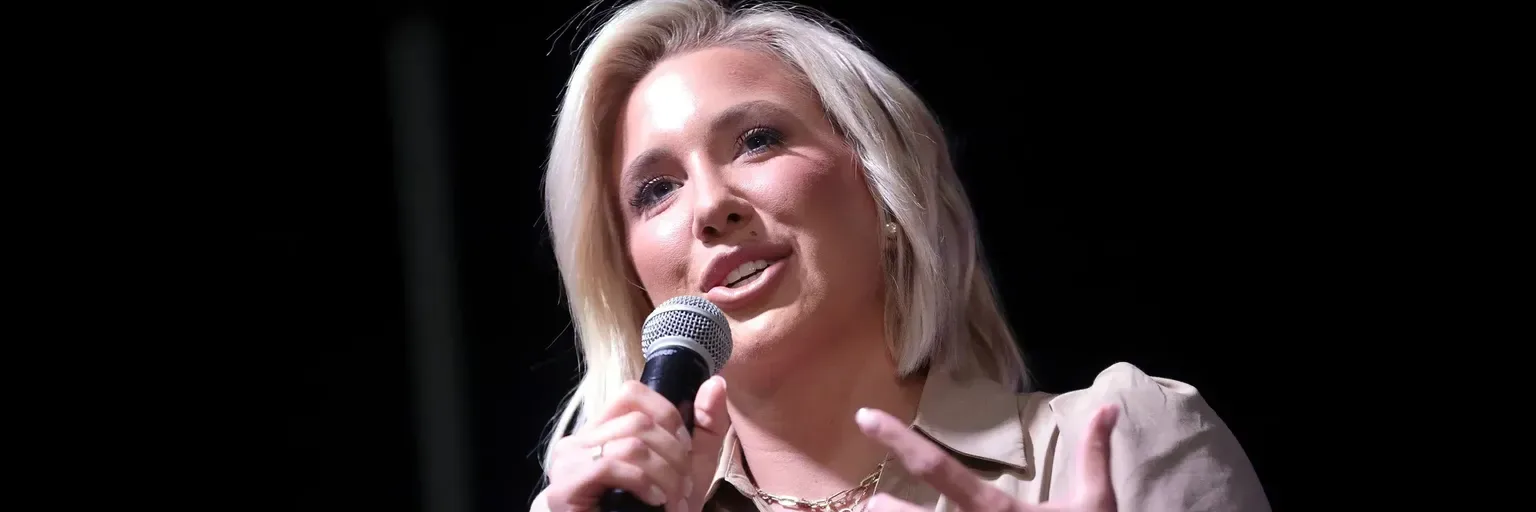
Photo: Alex Lockett / Wikimedia Commons (CC BY-SA 4.0)
Is it brave to process a breakup on stage, or just convenient when the stage is your job? Jack Antonoff told The Guardian he would rather live through something publicly. Days later, the divorce papers landed, and the line suddenly sounds less like a philosophy and more like a business model.
The timeline is short; the subtext isn't
Margaret Qualley and Antonoff filed for divorce on October 30 in Kings County Supreme Court in Brooklyn, according to NBC stations. Qualley is the plaintiff, and the case is listed as an uncontested matrimonial action. They married in August 2023. The filing follows months of speculation fueled by Antonoff attending Taylor Swift's July wedding alone.
In July, Qualley's representative said the narratives in the press were "categorically untrue" and that there was "no infidelity." The statement added: "They have deep love and care for one another." Days before the filing, Antonoff told The Guardian that performing songs about Qualley is still a "really beautiful" experience, as Page Six reports.
Publicness is a strategy, not a moral upgrade
Let's be fair to Antonoff. Refusing to bury a love song because the marriage ended is a defensible artistic position. Songs don't expire when relationships do, and anyone who has cried at a track about an ex knows they can mean something new later. The "it's actually been really beautiful" part is plausible, and we have no reason to doubt he means it.
But living through it publicly is framed as courage, and we think that's too generous. For a touring frontman, doing it in public is the default setting, not a risk. The setlist already exists. The audience already shows up. Staying silent would have been the harder, stranger choice. Doing the thing your career already runs on isn't a brave act, just an efficient one.
The other half of the marriage doesn't have a setlist
Here is the asymmetry we think the "beautiful" narrative skips. Antonoff has a microphone, a band and a crowd. Qualley's platform is a film career, not a setlist, and in our view that is a poor tool for answering songs written about you. Fans noticed the wedding photos disappearing from her Instagram and her handle changing from a reference to the Bleachers song "Isimo." We haven't seen anyone explain why, and whatever those changes meant, the internet turned them into forensic evidence.
That's the cost of a marriage that doubles as source material. When your spouse writes love songs about you, the breakup doesn't just end a relationship. It risks rewriting a catalog. Every performance can become a small public update on a private event, whether anyone intended that or not. And the person who isn't singing may have little control over how those songs are heard.
Look at how the news cycle treated Qualley right after the filing. Geo.tv reported she was spotted in London with Tom Holland, apparently preparing for a Fred Astaire biopic, and fans in the comments were already joking about it. A day. That's how long a person gets before the story moves on to what she's doing next and who she's standing beside. Privacy needs a longer runway than that.
The audience is the one who needs to change
None of this means Antonoff is wrong to sing, or that Qualley owes anyone a statement. The real lesson is for the audience. We are not owed a reading of these songs as a live diary, and the "beautiful" framing shouldn't make us feel entitled to dissect the marriage through the lyrics. The filing is described as uncontested, and Qualley's representative said in July that there is love and care between them. That is about as much as we know, and it's enough.
Our verdict: Antonoff's approach is legitimate, but it is a choice with a price, and part of that price may be paid by someone who didn't pick it. If you want to honor it, listen to the music as music. Resist the urge to hunt for clues, and let two people do the dull, painful work of ending a marriage without a soundtrack and a comment section.
No topics yet: start the first one.
More stories
Cameron Diaz is right: we treat faces like report cards
Diaz says society deems you a failure if you don't look 25 anymore. The real scandal is how easily the rest of us keep grading women's faces like exams.
Lynskey's "one tenth" shows hit sitcoms still hide who gets paid
A fan's $200,000-per-episode myth, a $20,000 reality and Holland Taylor's complaint show why actors talking openly about money does more than any pay-transparency memo.
We sang Lauren Bennett's chorus for years and knew almost nothing about her
Bennett's death at 36 is not a story about the cost of fame. It's about how pop remembers the hook and forgets the person, and why care has to outlast the nostalgia.

Savannah Chrisley's secret wedding is a lesson in narrative control
A July Cayman wedding, an October pregnancy post and a careful lack of the word "fiancé": the Chrisley story is less a romance than a masterclass in timing the reveal.