Christy Carlson Romano's Memoir: A Vital Reckoning for Child Stardom
More than a celebrity tell-all, "Once Upon a Trainwreck" exposes the dark realities, exploitation, and psychological toll often hidden behind the bright lights of child fame, demanding a critical reevaluation of the industry.
Photo: Eggy Production / Wikimedia Commons (CC BY 3.0)
Are we finally ready to face the real cost of child stardom? Christy Carlson Romano's new memoir, Once Upon a Trainwreck: The Fall and Rise of a Child Star, arrives as a potent, much-needed intervention, pulling back the curtain on the carefully constructed fantasy of young Hollywood to reveal a much harsher reality. This isn't just another celebrity exposé; it’s a critical examination of the systems that can exploit young talent, leaving psychological scars that endure long after the spotlights fade.
The Emmy-nominated actress, best known for her iconic roles as Ren Stevens on Disney Channel's Even Stevens and the voice of Kim Possible, has released a book on October 6, 2026, that resonates deeply with a growing cultural conversation about the experiences of former child stars. Romano, who began her career at the tender age of 6, felt adrift in young Hollywood, describing a lack of personal identity beyond the opportunities thrown her way [S1]. She recounts not having the industry-standard stylist or publicist, and a general feeling of not investing in herself to define who she wanted to be, even as that might have changed over the years [S1]. Her journey reveals the intense pressures of growing up in the spotlight, where the line between supporting a child's dreams and setting them up for failure often blurs [S1].
Her memoir bravely details the personal struggles that often accompany early fame. Romano has opened up about her past battles with bulimia, which led her to a dangerously low weight, and her experiences with alcohol addiction and trying cocaine at a Halloween party [S5, S8]. These raw revelations paint a picture of a young woman seeking to "feel something" amidst the shallowness she perceived in parts of Hollywood, a period she acknowledges could have "killed" her [S5]. Beyond substance use, Romano also faced emotional and sexual abuse during her formative years in the industry [S8].
The Shadow of the Stage Parent
One of the most poignant aspects of Romano's story is her reflection on the role of her mother, Sharon, who closely guided her early career [S1]. While acknowledging her mother's tireless dedication—from navigating Broadway auditions in New York City to moving cross-country for Disney Channel roles—Romano also explores the emotional complexities of their professionally driven bond. This dynamic, where a parent’s career sacrifices and financial motivations become intertwined with a child’s performance, is a significant thread in her narrative, shaping her own views on raising her daughters [S1, S8]. Romano now asserts that making money from something transforms the experience from enjoyment to something far different [S1]. She felt her mother took advantage of her, using her to escape an unhappy life and marriage and to support a new lifestyle in Los Angeles [S8].
A Call for Industry Reform and a New Path
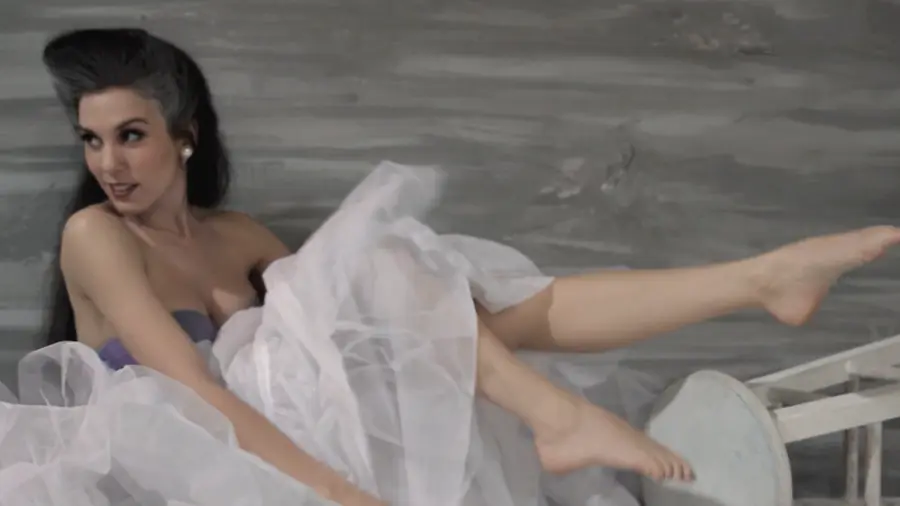
Romano's account extends beyond personal confession to a broader critique of the entertainment industry. She writes candidly about her "opposition to child labor in Hollywood," advocating for "strict regulations" to protect young artists [S1]. She stresses the importance of having social workers present on set and assigning individual workers to represent every child performer, arguing that having advocates helps children develop a healthier understanding of protection [S1].
Crucially, Romano has redefined her image and career on her own terms. Beginning in 2019, she embraced social media, launching a successful series of vlogs and podcasts that allowed her to connect with old followers, touch new lives, and create a new path of income for her family [S1]. This re-invention, as an entrepreneur and content creator, showcases a resilient spirit that found a voice beyond traditional Hollywood structures [S1, S10]. Despite her return to acting in projects like the upcoming Hallmark Channel film Holiday Ever After: A Disney World Wish Come True [S1], she remains committed to protecting her own children from the pitfalls of early fame, vowing to support their artistic pursuits only if they "start small" and are not "pushed into a casting office" [S1].
Once Upon a Trainwreck is not merely a look back at a past life; it is a vital contribution to the ongoing conversation about child stardom, offering a stark reminder of the sacrifices made and the systemic changes still needed to protect the next generation of performers.
No topics yet: start the first one.
More stories
Megan Fox's ED Ad: A Risqué Leap That Redefines Celebrity Endorsements
Megan Fox's bold portrayal of an erectile dysfunction drug challenges industry norms, leveraging her 'sex symbol' persona to dismantle taboos and spark essential conversations.

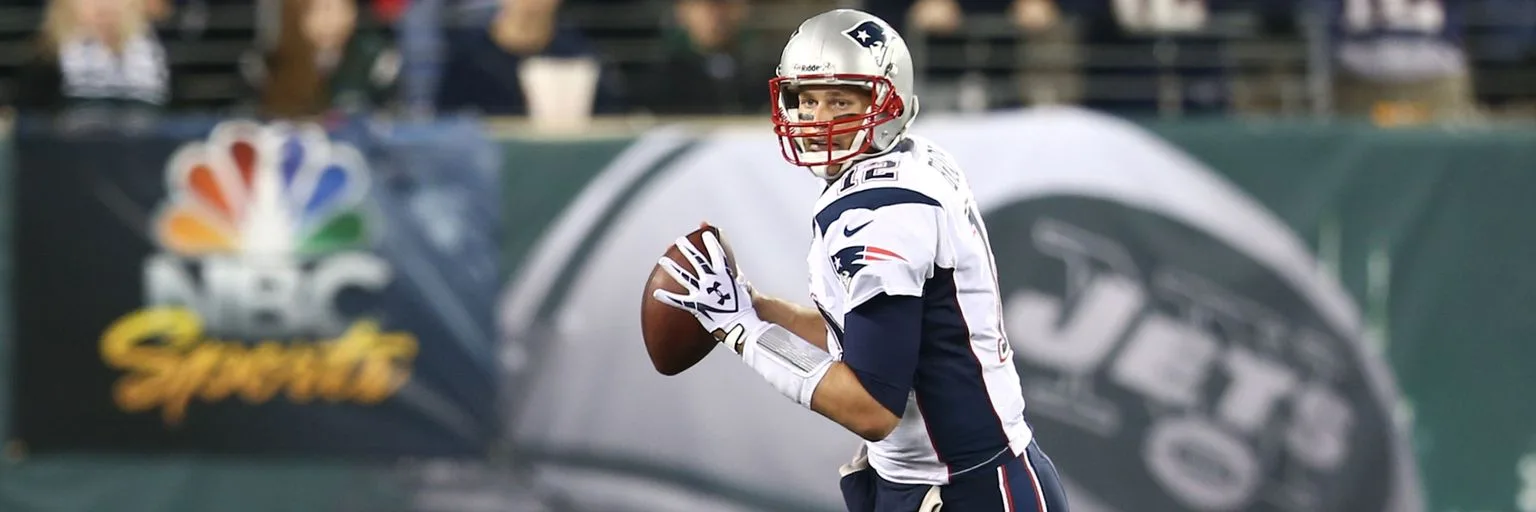
Brady's Biography: A New Playbook for Post-Divorce Narratives
Four years post-split, Tom Brady's new biography and Gisele Bündchen's reactions prove that celebrity divorces are never truly over, serving as ongoing cultural touchstones.
Taylor Swift's SNL Cameo: A Masterclass in Narrative Control
Taylor Swift's 'Saturday Night Live' appearance alongside Dakota Johnson highlights her unparalleled ability to weave personal experiences into public entertainment, proving her enduring dominance in pop culture by controlling her own story.
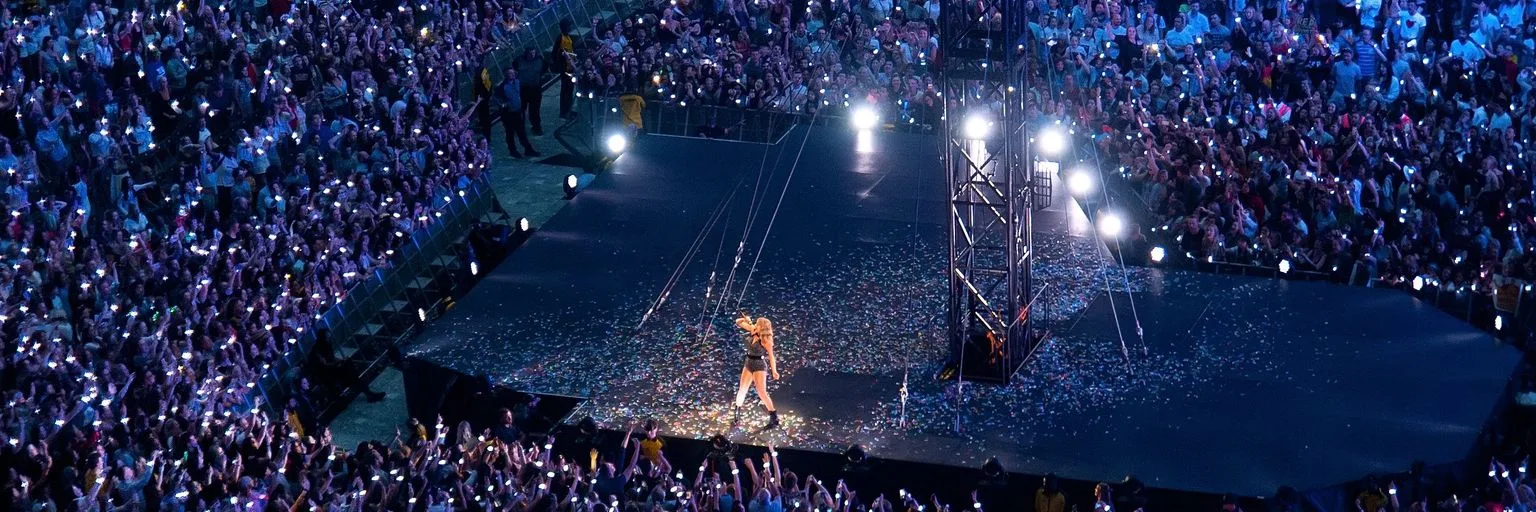
Nashville: Where A-Listers Find the Ultimate Luxury — Privacy
The surprising exodus of A-listers to Nashville reveals a significant shift, as many celebrities now prioritize privacy and a grounded existence over the relentless spotlight of traditional entertainment capitals.