Stallone's "change careers" advice is the most honest AI take in Hollywood
Telling young actors to do something else is brutal, but it may be more truthful than the industry's soothing AI messaging, and it shows who actually gets protected.
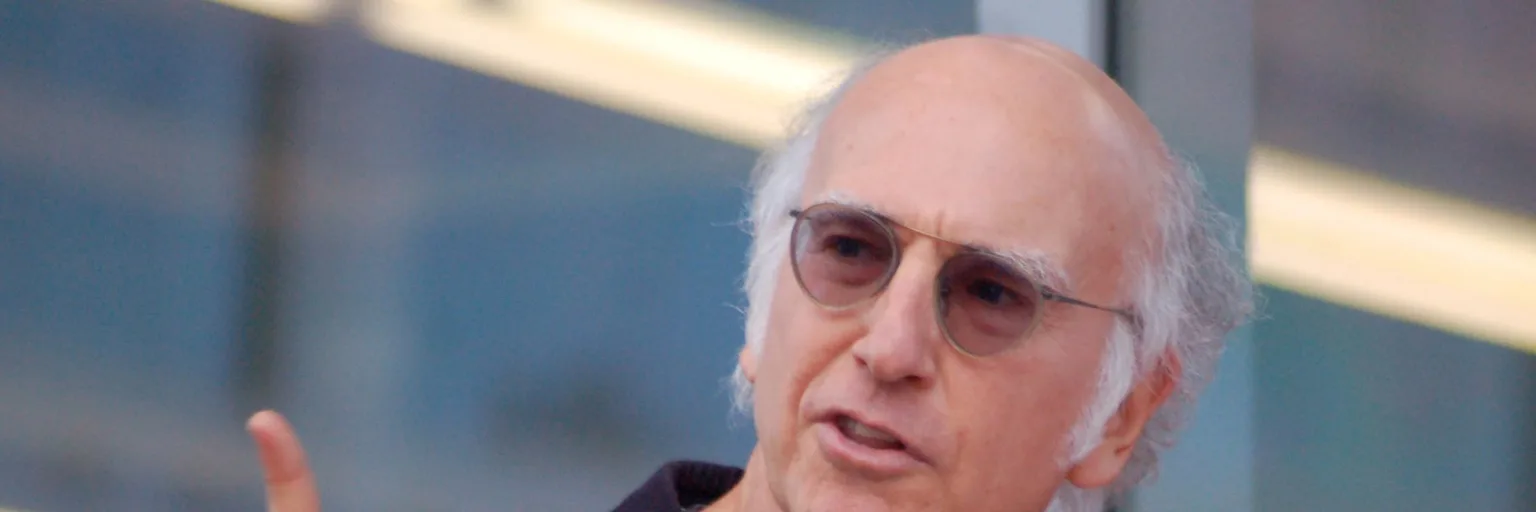
Photo: Alan Light / Wikimedia Commons (CC BY 2.0)
What do you call a man who tells his own daughter to quit acting? A bad dad, a doomsayer, or the only person in Hollywood not reading from a press release? Sylvester Stallone, 80, has just given us the most uncomfortable AI soundbite of the season, and we think it deserves more than a collective eye-roll.
What he actually said
Speaking on the podcast The Overlap on October 22, Stallone said AI is "here to stay" and described it as an avalanche: "If you don't go with the flow, you'll be swept away" is the gist of how Le Figaro reports his remarks (the quotes were published in French, so the wording here is translated). He conceded that critics such as Scarlett Johansson, Cate Blanchett and Steven Spielberg "are right," but argued nothing can be done. His advice to newcomers: do something else. His daughter Scarlet Rose is an actress, and he says he asked her to go into video games instead.
Context matters. As Variety notes, he previously pitched a young-Rambo film using AI and de-aging effects, a plan that went nowhere. The prequel now moving ahead stars Noah Centineo, according to Democrata.
Brutal is not the same as wrong
The reassuring Hollywood line on AI, at least as we hear it, goes something like this: it will be a "tool," humans will stay at the center, everyone will be consulted. Maybe. But notice what that script rarely includes: a plain statement about the odds for someone starting out. Stallone's version at least names the problem. Acting was already, in his words, the hardest job in the world, and he thinks AI makes it harder. That's not a policy, it's a warning label, and warning labels are underrated.
Is he being fatalistic? Absolutely, and we'd push back on "nothing can be done." Contracts, consent rules and image rights are exactly the things people can fight over. Saying the avalanche is unstoppable conveniently excuses everyone from building barriers. But as a description of the mood among the people with leverage, it sounds uncomfortably plausible.
The tell is who gets to be an avatar
The most revealing line isn't the career advice. It's "everybody is selling their image," plus his prediction of twenty Elvis avatars soon. Read it as a business model: established names own an image that can be licensed, extended, de-aged. A twenty-three-year-old waiting tables between auditions owns a face nobody has paid for yet.
That's the real asymmetry. Stallone can take the heat for his experiments because he has a legend to monetize. The people the "adapt or be swept away" speech is aimed at have nothing to monetize but the future. His advice to his daughter is, in effect, a hedge only a famous parent can afford to give, and we'd say it also shows the protection in this story flows toward the already-established.
There's also a contradiction he doesn't resolve. Per NextPlz, a month earlier he reportedly voiced fear that AI could "dominate" humans. Enthusiast and worrier at once: very Hollywood, and honestly very human.
Our verdict
Don't treat this as career counseling; treat it as a stress test for everyone else's rhetoric. If studios, unions and agencies believe the reassuring version, they should be able to show young actors something stronger than Stallone's shrug: enforceable limits on cloning, real pay for digital likenesses, clear consent. Until then, his bluntness wins on honesty, even if it loses on compassion and on ambition. The message to aspiring actors isn't "quit." It's: read your contracts, own your image, and don't believe anyone, including a movie legend, who tells you the outcome is already decided.
No topics yet: start the first one.
More stories
Paris Hilton's 17 cancellations are the best promo Citizen Kim could ask for
A biographer's anecdote about a canceled interview has revived the Kardashian–Hilton saga, and whether or not there's a feud, the story is already doing its job.
Dolly Parton's estate fight proves love is not a governance plan
A $450 million empire, a manager and a nephew in court: the Dolly Parton feud shows that even flawless planning cannot replace clear roles, limits and accountability.
Miley Cyrus shaved a fan's head. Now the feed gets a say
A backstage haircut for a fan with stage 3 breast cancer went viral. Real kindness and viral kindness can coexist, but our clicks decide which one wins.

Celebrity memoirs are selling confession, and readers should demand more
The memoir boom suggests fame now monetizes vulnerability. Readers should stop rewarding score-settling and start asking for actual insight from the famous.