Celebrity memoirs are selling confession, and readers should demand more
The memoir boom suggests fame now monetizes vulnerability. Readers should stop rewarding score-settling and start asking for actual insight from the famous.
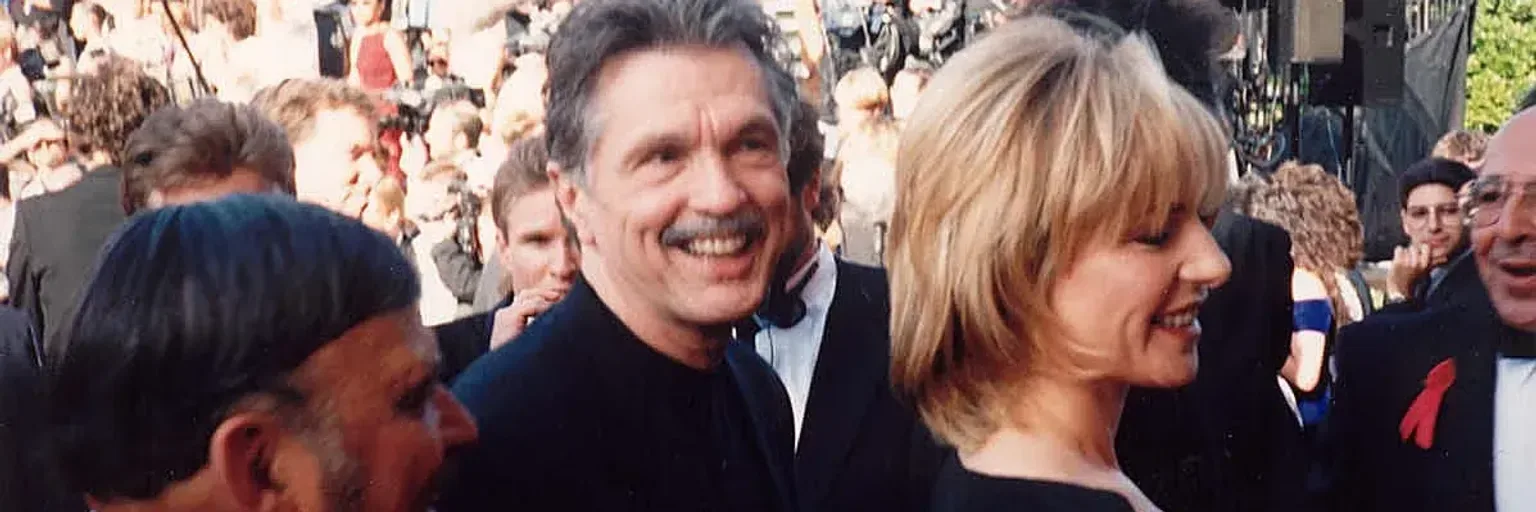
Photo: Angela George at https://www.flickr.com/photos/sharongraphics/ / Wikimedia Commons (CC BY-SA 3.0)
Is a celebrity memoir a book, or a press tour with a spine? The question is getting harder to dodge, because the shelves are filling up with famous people explaining themselves, and the publishing industry seems to have noticed that explanation sells.
The appetite is easy to spot. Bloomberg's Pursuits section carries a piece titled "Why the Book World Remains Obsessed With Celebrity Memoirs." A list from Libby's blog rounds up 26 new celebrity memoirs to read in 2026, including titles from Cher, Arsenio Hall and Liza Minnelli. And Publishers Weekly's fall preview says Gloria Steinem and Bob Woodward "tell all."
We should be careful here. The documentation we have is mostly catalogs and previews, not sales data, so we can't say how well any of these books actually sell. What we can say is that publishers keep scheduling them, and that "tell all" is the kind of promise that keeps showing up in the pitch.
Vulnerability is now a line item
Fame used to be protected by distance. The mystique was the product. Today the product is access, and the cheapest kind of access to sell is pain: the childhood, the breakdown, the feud, the one who did you wrong. A memoir packages that into a single, tidy transaction, with a publicist-friendly excerpt attached.
That isn't inherently cynical. Some people have something to say and the means to say it well. But when every announcement leads with how much will be revealed, the confession stops being a means and becomes the merchandise. We think the tell is the marketing: if the pitch is "what they finally admit," the book is selling the admission, not the thought.
Score-settling is the lazy version of honesty
Settling scores feels like candor because it names names. Usually it is the opposite. A grievance gives the author a villain and a tidy arc, and it spares them the harder work of examining their own part. Insight costs more. It requires the author to be unflattering about themselves, and that is the one thing a brand manager would rather avoid.
Readers are partly to blame. We click on the feud excerpt, not the chapter about craft or doubt. The market tends to give us what we reward. If we want better books, we have to stop treating the juiciest paragraph as the whole point.
The Larry David test
A useful case arrived this week, and it isn't even a memoir. Blake J. Harris's biography of Larry David, Emperor of Nothing, was due out on Oct. 20, according to People. Bloomberg's piece is headlined "Curb Your Enthusiasm for the New Larry David Biography", and its web address frames the verdict as the book not explaining the Seinfeld creator. Variety, for its part, asks whether David regrets participating in it.
We haven't read the book and won't pretend to judge it. But if that framing is fair, the complaint is not that the book lacks gossip, but that it lacks explanation. That is the right standard. A life told in anecdotes, however entertaining, is still a pile of anecdotes until someone says why it matters.
Our verdict
Read celebrity memoirs, by all means. They can be funny, moving and revealing. But apply a simple test before buying: does the book change how you understand something, whether a craft, an industry or a way of coping, or does it only rearrange who is to blame? Reward the first kind with your money and your attention. The famous will keep selling confession for as long as confession is what we buy. If we ask for insight, the market will probably find a way to sell that too.
No topics yet: start the first one.
More stories
William on Norton's sofa: relatability as strategy, and it works
The Prince of Wales gushing about Christopher Nolan and The Celebrity Traitors looks like calculated charm, but modern monarchy survives by being a fan like the rest of us.

Meghan Markle shouldn't have to answer for her estranged father's story
When an estranged relative is accused of something grave, the spotlight tends to swing to the famous branch of the family. The real question is who is actually accountable.

Ali G returns, and the real test is whether satire can still land
Sacha Baron Cohen's revival bets that prank comedy can survive an era of performed outrage. The early evidence suggests the audience is the target, and the verdict is mixed.

Tom Skerritt and the Quiet Authority Hollywood Forgot to Replace
Skerritt's turns in Alien, Top Gun and Picket Fences made the case for the understated authority actor, a type that modern stardom has little room left for.