Trendsfera Newsroom
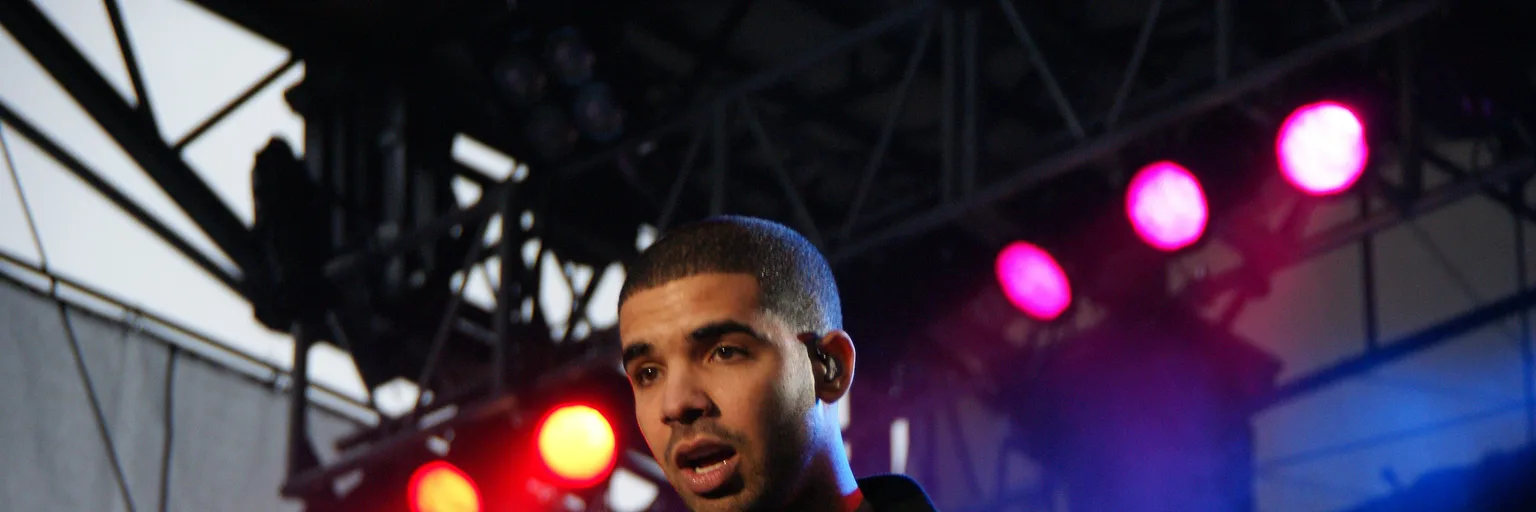
Drake's 40th wasn't a party: it was a content drop with cake
A $1 million game show, Chanel and Hermès bags and a surprise Backstreet Boys set show the celebrity birthday is now built for the feed, with guests as the cast.
A $1 million game show, Chanel and Hermès bags and a surprise Backstreet Boys set show the celebrity birthday is now built for the feed, with guests as the cast.
Telling young actors to do something else is brutal, but it may be more truthful than the industry's soothing AI messaging, and it shows who actually gets protected.
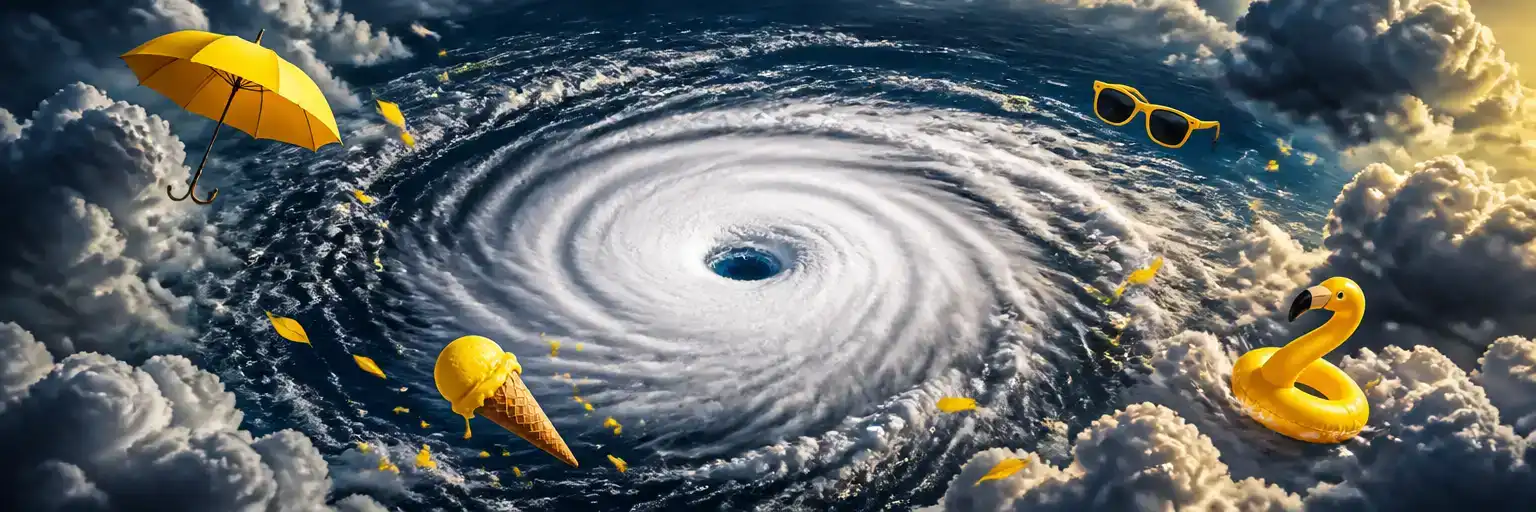
A storm named Vance formed off Mexico and the memes arrived on cue, saying less about meteorology than about how we treat every coincidence as a political weapon.
A newborn with a dark mustache went viral, but the real story is that "is it AI?" now arrives before "aw, cute" and nobody can settle it.
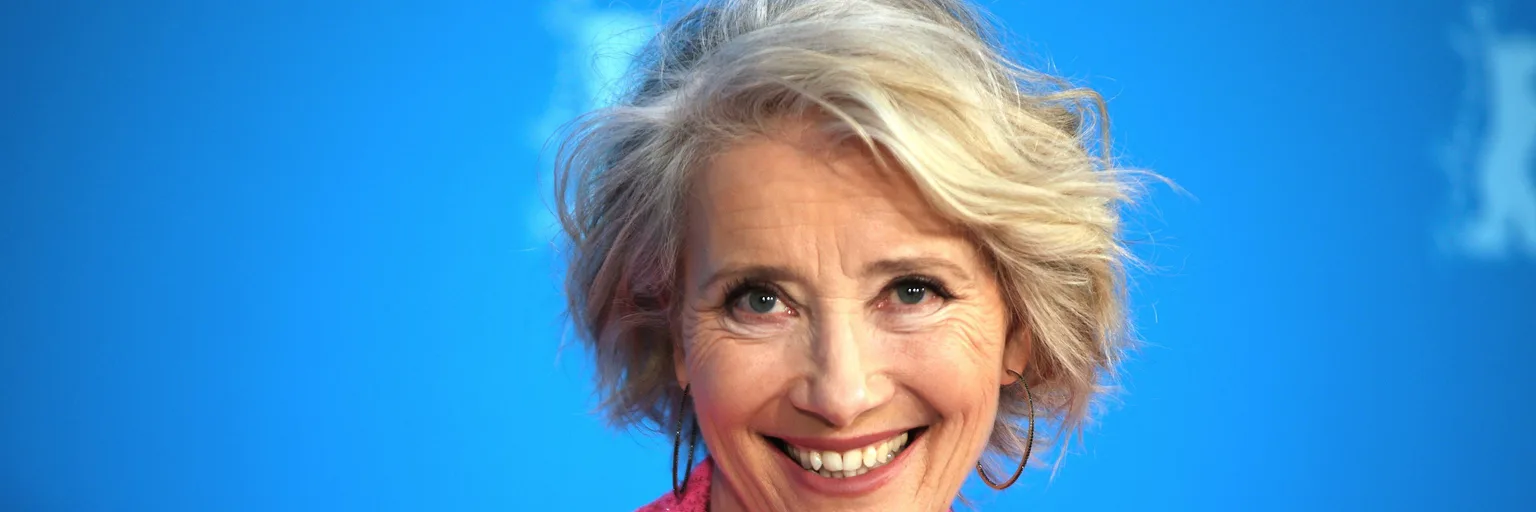
At 67, the actor says she walks at least two hours a day. It's free, slow and unphotogenic, and it may be the most subversive wellness routine of the year.
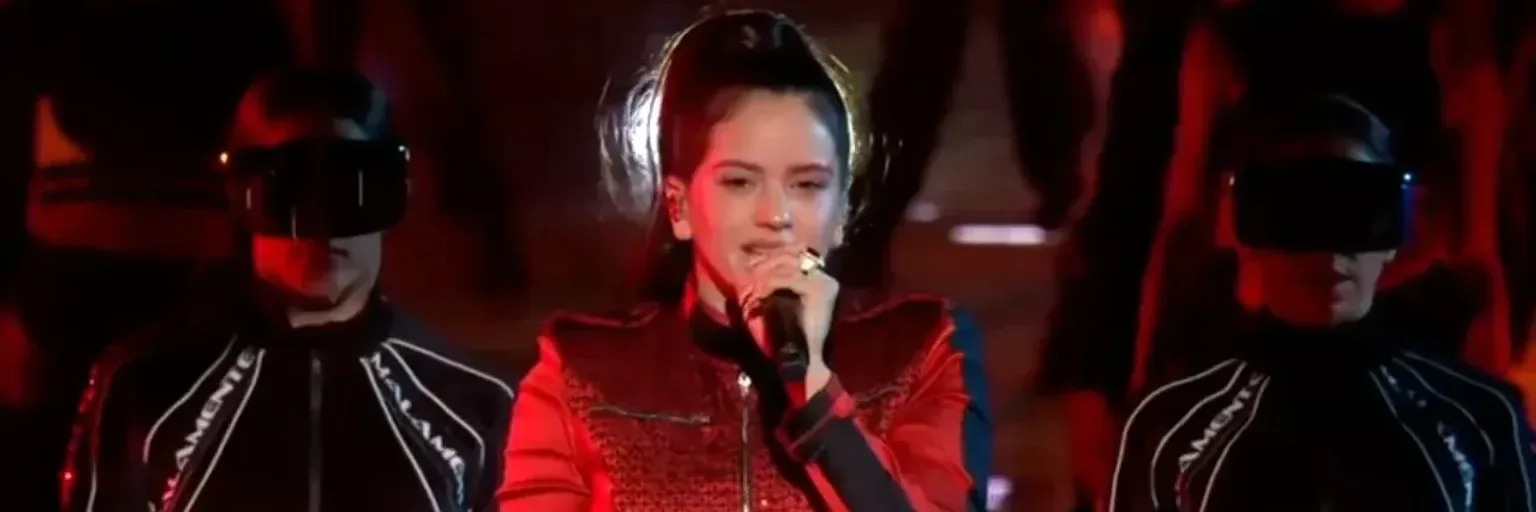
Rosalía, Tyla and Kaia Gerber make underwear-as-outerwear look easy, but the magic is in the tailoring and the stylist. Borrow the layering, skip the literalism.
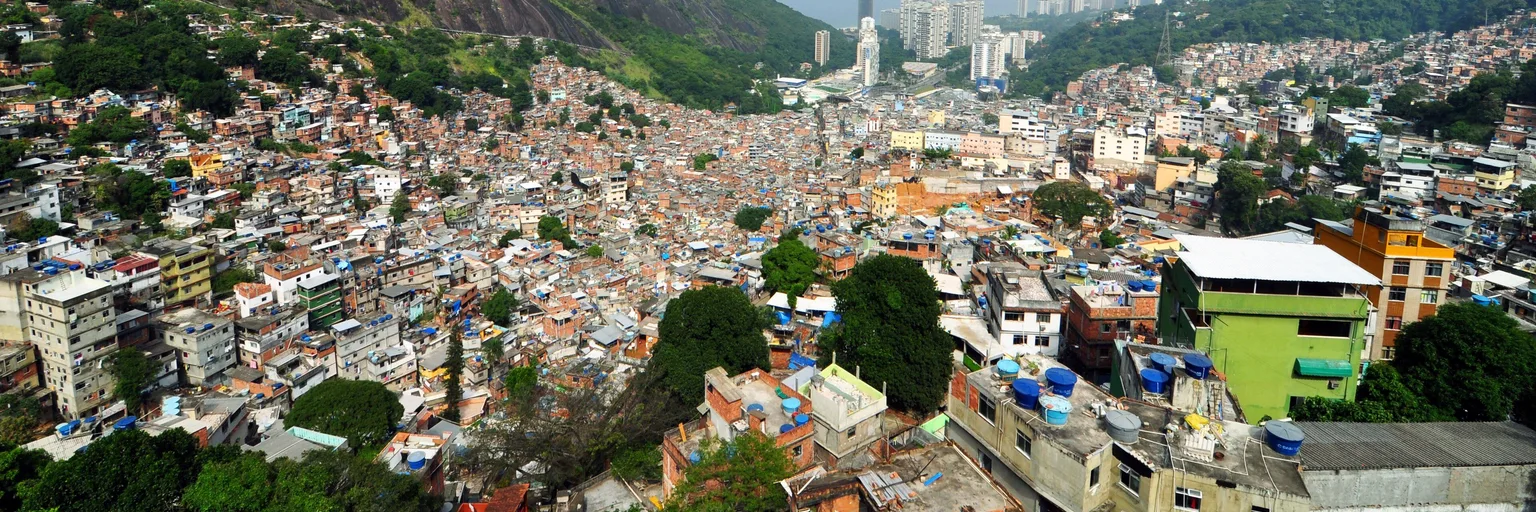
Viral drone videos in Rocinha turn a neighborhood into a runway. Tourism can still help residents, but only if they own the story and the revenue.
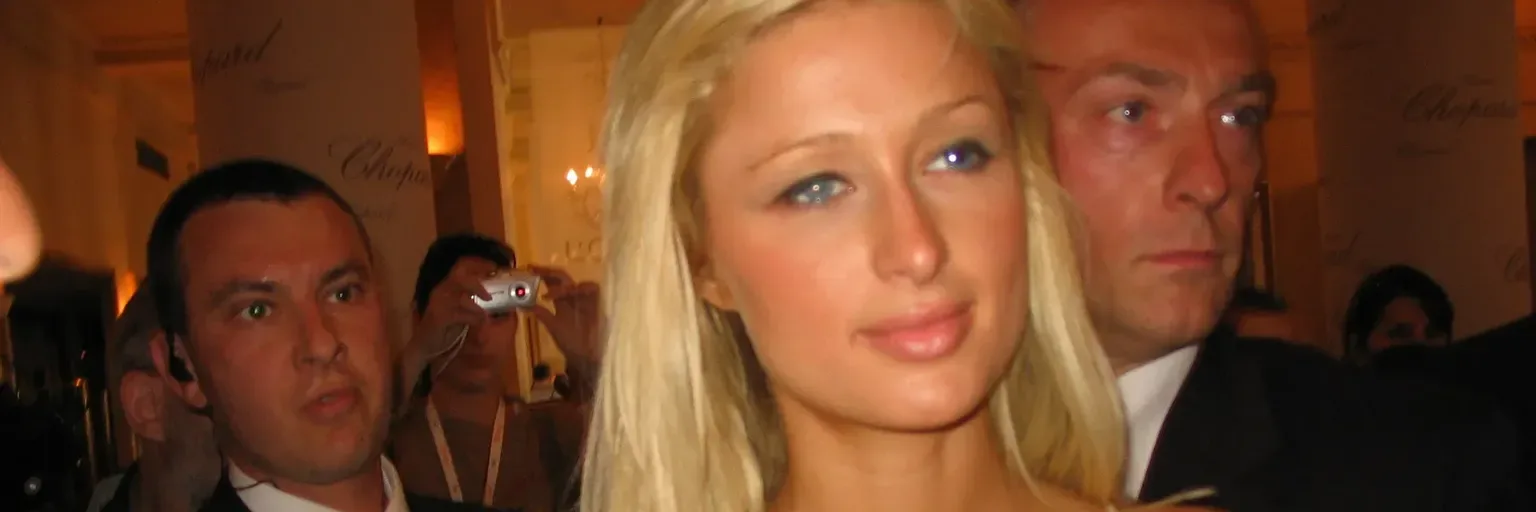
A biographer's anecdote about a canceled interview has revived the Kardashian–Hilton saga, and whether or not there's a feud, the story is already doing its job.
A $450 million empire, a manager and a nephew in court: the Dolly Parton feud shows that even flawless planning cannot replace clear roles, limits and accountability.
Canned and alcohol-free bubbles aren't killing champagne's ritual. They suggest the ritual was never about the cork, the flute or the booze.
By naming the bottle, the shakes and the solitude, the French singer and comedian makes addiction harder to romanticize than any polished recovery story ever could.
A backstage haircut for a fan with stage 3 breast cancer went viral. Real kindness and viral kindness can coexist, but our clicks decide which one wins.
The memoir boom suggests fame now monetizes vulnerability. Readers should stop rewarding score-settling and start asking for actual insight from the famous.
Every few months dating gets a new name for an old problem. Cushioning is the latest, and the label lets us skip the one conversation that would fix it.
Bringing back Mark Harmon and Michael Weatherly is smart, effective fan service, but a franchise that leans on reunions too often risks turning memory into a coupon.
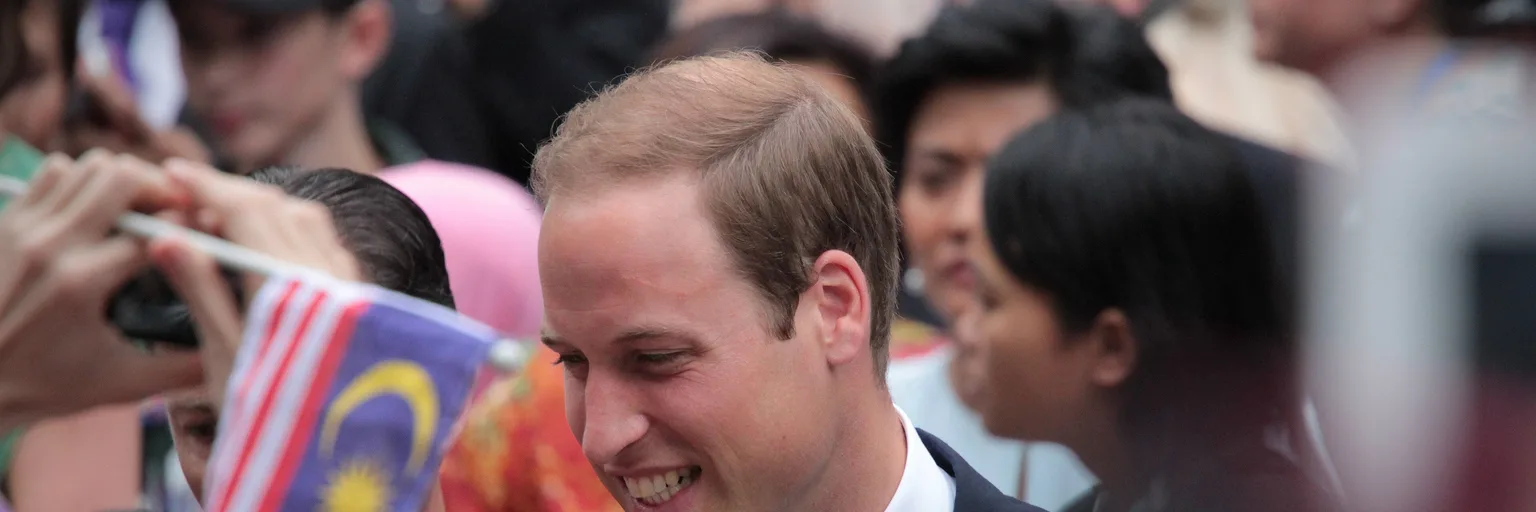
The Prince of Wales gushing about Christopher Nolan and The Celebrity Traitors looks like calculated charm, but modern monarchy survives by being a fan like the rest of us.
When an estranged relative is accused of something grave, the spotlight tends to swing to the famous branch of the family. The real question is who is actually accountable.
An AI singer with millions of plays says less about the machine than about us: listeners follow the song, so the industry owes them an honest label.
Reselling famous people's used clothes is smart business because it monetizes proximity to fame, but what buyers actually take home is a narrative with a hanger attached.
Laughing at a terrible film with other people isn't contempt. It's one of the last cheap communal rituals we have, and it often beats the polite consensus around "good" cinema.