Hate-watching is love in disguise, and bad movies prove it
Laughing at a terrible film with other people isn't contempt. It's one of the last cheap communal rituals we have, and it often beats the polite consensus around "good" cinema.
AI-generated image
Nobody has ever started a group chat to discuss how competent a movie was. Now try a film where a vampire sparkles in the sunlight, and the chat is on fire by minute ten. So here is the question: if we truly despised bad movies, why do we keep inviting people over to watch them?
The question isn't new, and plenty of research and commentary have circled it for years. What's interesting is how stubbornly the answer keeps pointing at the same thing: other people.
The mockery is the invitation
Take The Room. As Estadão recounts, Tommy Wiseau's 2003 film cost US$ 6 million of his own money, was trashed by critics and didn't even reach US$ 5 million at the box office. Two decades later it is considered a cult film, still screened in select US theaters, and it spawned a book and a film adaptation that earned an Oscar nomination for Best Adapted Screenplay.
Read that again. The movie that failed as a movie succeeded as an excuse. Nobody keeps showing it because they think the dialogue is good. They show it because a room full of strangers shouting at the screen is a better night out than a respectful silence.
That's the core of our argument. Mockery, in this setting, isn't a verdict. It's a shared language. Philosopher Matthew Strohl, author of Why It's OK to Love Bad Movies, argues that bad films serve as a foundation for social relationships, from personal friendships to participation in larger communities. We'd go further: the flaws are the point, because flaws give everyone something to hold on to.
A flawless film leaves you with nothing to say
Consensus praise has a weakness: it ends conversations. When everyone agrees a film is a masterpiece, the discussion is a round of nods. A disaster hands out roles. Someone spots the continuity error, someone quotes the worst line, someone defends the third act out of sheer stubbornness.
There's also a more private payoff. According to the Journal of Consumer Psychology research that Estadão cites, with University of Colorado researchers running 12 tests, such productions can offer what good ones can't: little demand on your attention, plus laughs and thrills without the stress. Co-author Amit Bhattacharjee, as paraphrased by Estadão, says the worst option in the catalog is more likely to be funny, absurd and ridiculous. We read that as a quiet rebuke of the idea that quality is the only thing a movie owes us.
And the audience isn't who you'd expect. The same article reports a 2016 study in Poetics, led by Keyvan Sarkhosh, finding that people who knowingly watch bad films tend to be highly educated, broad consumers of culture. For cinephiles, trash is a way to relax from constant analysis. So hate-watching isn't the habit of people with no taste. If anything, it's the habit of people who care enough to enjoy breaking the rules.
Contempt doesn't rewatch
Here is where we push back on the word "hate." Contempt walks away. Nobody rewatches, quotes and recommends what they truly despise. Notícias ao Minuto describes these films as light, silly and fun, the kind that lift your mood and don't demand much concentration. That sounds like a description of a friend, not an enemy.
Our view: hate-watching is affection with a protective layer of irony. Irony lets us admit we enjoy something unpolished without admitting we are vulnerable to it. The jokes are a way of saying "I'm in on it," and the shared laughter is a way of saying "so are you." Is there some snobbery in it? Sure, and some films really are just dull. But the ritual probably works best when the movie is sincere in its failure.
What would we recommend? Stop apologizing for the guilty pleasure and drop the "guilty." Next time a film is getting savaged online, don't wait for the verdict: pick a bad one, invite three friends, ban phones except for quoting lines. A consensus masterpiece will still be there on Sunday. The glorious mess is better on a Friday night, and better with company.
No topics yet: start the first one.
More stories
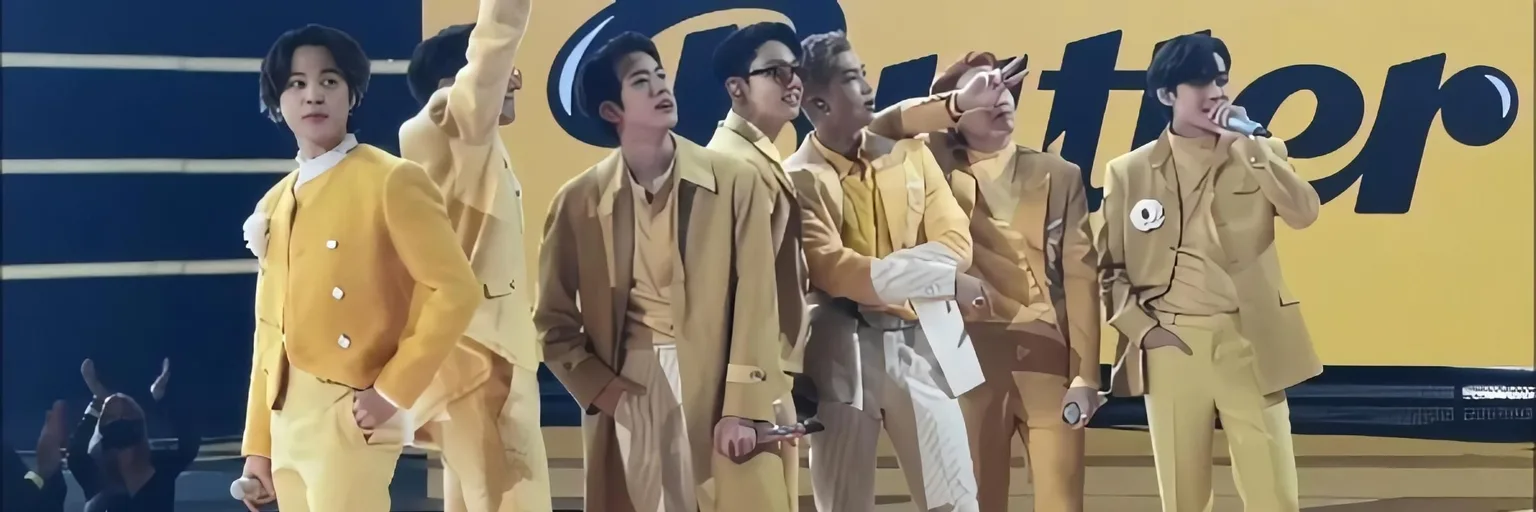
When BTS Has to Ask Fans Not to Push, the Safety Plan Has Already Failed
Jimin and RM pleading with the front rows in La Plata is not a fandom scandal. It's a sign that crowd safety at mega-concerts is being outsourced to the people at risk.
Fake shopping carts are a joke on consumerism, if we let them be
Sites that let you fill a cart without paying reveal that the thrill is in choosing, not owning. That's a smart critique of consumerism only if it doesn't make us buy more.

The Family Stone Sequel Has to Earn Its Way Back Home
The Families Stone has the cast and the Christmas setting, but nostalgia only works when a sequel adds emotional weight instead of selling recognition back to us.

Manifest’s Arrivals Proves Cancellation Is Now Just a Plot Twist
Netflix’s Manifest spin-off Arrivals is good news for loyal viewers—but it also shows how streaming keeps turning endings into franchise auditions.