Celebrity Traitors works because fame stops protecting anyone
The BBC hit succeeds because it turns celebrity into a liability: stars lie, get suspected and lose face, and the polished persona is the first casualty.
Photo: JaceMerlyn / Wikimedia Commons (CC BY-SA 4.0)
Why does a castle in the Highlands, a pile of cloaks and a bunch of famous people accusing each other of murder feel more honest than a decade of celebrity interviews? Because Celebrity Traitors takes the one thing stars are best at, managing how they look, and makes it a liability.
The game punishes the polish
The facts of the penultimate episode read like a parody of a press junket gone feral. Comedian James Acaster, who by his own account never wanted to be a Traitor, was banished after admitting at the roundtable that he was one. His line, "I am, reluctantly, a Traitor," will outlive the series. Meanwhile, Maya Jama toasted "to killing them, banishing them even" at breakfast, and, as WalesOnline reports, later explained on X that "the Traitor was dropping out of me."
Look at what is actually being consumed here. Not red-carpet charm, but fatigue, slips, awkward defenses and a comedian who cannot bring himself to lie. The prize pot is a respectable £64,500 for charity, but nobody is tuning in for the money. They are tuning in to watch people who are professionally smooth fail to be smooth.
Fame is the weapon, not the decoration
Most celebrity reality formats treat fame as set dressing: put famous people in a jungle, a kitchen or a dance studio and let the brand do the work. Traitors does the opposite. Reputation is the currency. Michael Sheen drew heat in the roundtable, with James Blunt casting him as the "father" of the group, the one responsible for the Traitors being "guided in the wrong direction." Meanwhile Romesh Ranganathan told everyone to look at "the quieter ones," naming Acaster and Jama, and Sheen noted that they had "never had any heat." Being trusted, charming and likable is exactly what makes you either a perfect Faithful or a perfect killer.
That is a smarter use of celebrity than anything a talk show can offer. Audiences already carry a mental file on these people. The format simply asks: how much of that file is true? We think that tension is the real engine of the show, more than the murders.
It also flattens status. Julie told Good Housekeeping, as The Tab relays, that "there's no status at all" in there, and that the friendships form in cars where nobody is allowed to talk about the game. A hierarchy-free castle is a rare thing for famous people to experience, and it shows on screen.
Leigh-Anne Pinnock is the proof of concept
The most telling story is not the twist but the quiet one. The Daily Mail reports that Leigh-Anne Pinnock credits the show with restoring her "confidence and voice" after "shrinking herself" in Little Mix. She has also said she felt "a little bit underestimated" in the castle, and that she held back because of "that fear of getting murdered."
Read that twice. A pop star with years of high-profile visibility says a parlor game gave her a voice back. We would not turn it into a grand therapy story, since we only have her words and not the whole context. But it fits the thesis neatly: scripted fame flattens people into a brand, and a format with real stakes, however silly, forces them to speak, suspect, argue and be wrong in public.
Her case is also a nice irony. She says the feeling of being underestimated may have started when fellow contestants picked her as the one with her "head in the clouds." In a game of suspicion, we would argue, that kind of label can be a strategic asset. Underestimation, which can be corrosive in a pop group, is camouflage in a castle.
The verdict
Celebrity Traitors is not hot because it is cruel. It is hot because it is fair: everyone is equally exposed, and the audience gets to see skills fame usually hides, like deception, loyalty, nerves and, in Acaster's case, an almost heroic inability to keep up the act. Broadcasters should take the lesson seriously. Stop asking stars to be themselves in a nice setting; give them a problem where their image cannot save them.
Tonight's final may well deliver more chaos, and a Mirror reviewer already calls this arguably the best series of either UK version. That is an opinion, and a generous one, but we would not argue. The best celebrity television is the kind where the famous have something to lose besides their dignity, and then lose a bit of it anyway.
No topics yet: start the first one.
More stories
Streaming gave us infinite choice. A week of fake cable shows we wanted less
A Tom's Guide writer rebuilt a cable-style evening schedule with streaming and watched more with less scrolling, which suggests the flaw was choice, not the channel.
Meta's whisper strategy and the EU's pause: parents, trust neither
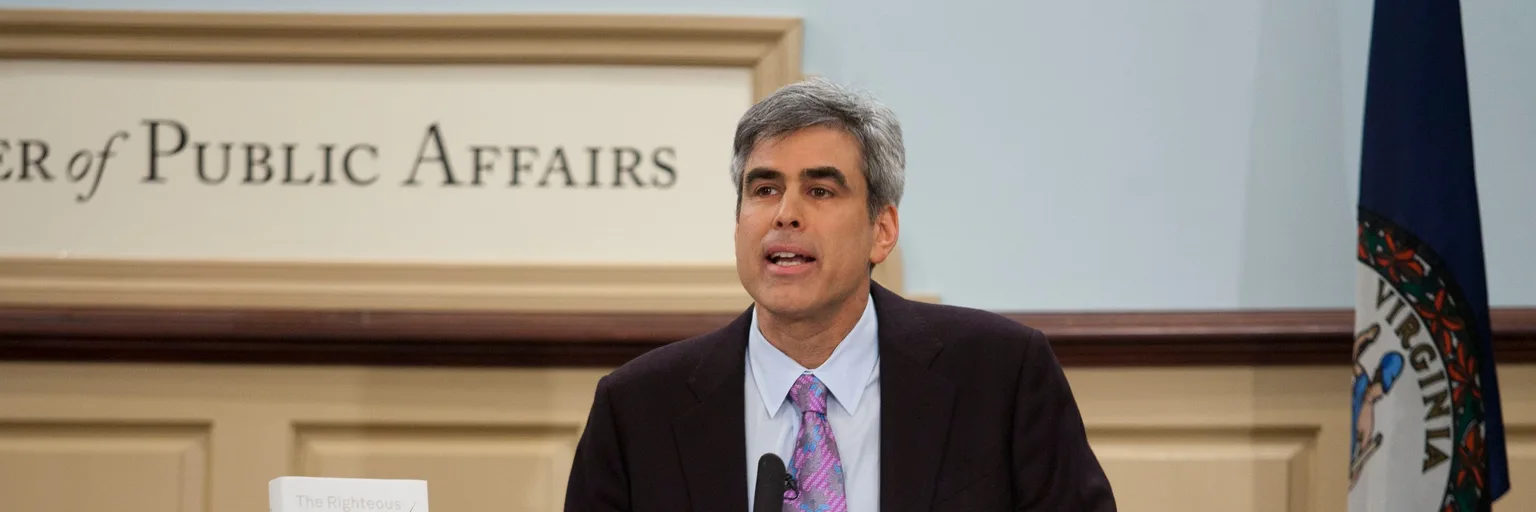
Court files show Meta weighing a quiet campaign against Jonathan Haidt while Brussels freezes national kids' bans. Both moves put power before families.
A celebrity cosign isn't a background check: the Wagmor lesson
When stars make a pet brand fashionable, buyers outsource due diligence to fame. The Wagmor allegations show why an A-list endorsement is not an ethics certificate.
The Rookie goes North because TV no longer trusts a single show
Season 9 and the Rookie: North spin-off arrive as a two-hour block, a sign that long-running TV survives by multiplying, as long as the original keeps its heart.