Celebrity AI ads can work, but only if the star holds the leash
CAA and Ogilvy's ECHO turns fame into a licensable asset. That's smart for talent, as long as consent is real and viewers can always see what's synthetic.
AI-generated image
What if the most valuable thing a celebrity owns is no longer their time, but their face on file? That's the bet behind ECHO, the platform Ogilvy and CAA announced on Monday, and in our view it's less dystopian than the "AI clone" headlines suggest. It's also more fragile than the press release admits.
As The Hollywood Reporter reports, ECHO lets marketers generate AI ads featuring celebrities without the talent spending hours on set. It draws on the "CAA Vault," a database that stores and licenses the likeness, voice and intellectual property of clients who opt in. The companies say a short shoot can yield a portfolio of assets, potentially cutting costs by as much as 75 percent. Talent signs off on every ad, and consumer-facing material carries a watermark reading "[Talent Name] Approved | Recreated with AI". CAA did not say which A-listers have opted in.
Licensing a likeness is the rational move
Endorsements have always sold scarcity: a star's limited hours. ECHO's pitch is that a shoot of eight to 10 assets can stretch into roughly 30 to 50, per the companies. For talent, that means more deals without more days on set. We think that is simply good business. The alternative isn't a world without synthetic celebrities. It's probably one where likenesses get scraped and used without anyone's permission, and the star sees none of the money.
Ogilvy's Carol Reed called this "the 'NIL moment' between advertising and entertainment." That's a marketing line, but a revealing one. It frames the star as an owner of an asset who should be paid for its use, and that's the right frame.
"Consent-first" is a promise, not a guarantee
Here's where we get skeptical. Sign-off on every ad and automated compliance checks sound reassuring. But we don't know the contract terms, the fees, what happens to the data if a star leaves the agency, or how easily a busy celebrity's approval becomes a rubber stamp when 50 variations land in their inbox. None of that appears in the coverage we've seen. The cost savings are pitched at brands, and whether stars get a fair cut is still an open question.
The pace is the other risk. The pitch includes ads that ride fast TikTok trends. Speed is the enemy of careful review. A sign-off process built for a handful of commercials can be overwhelmed by a content firehose. Watch whether approval stays meaningful when volume goes up.
The watermark is the real product
The most interesting part is the label. Ogilvy says its research shows consumers want explicit proof that the talent is in control. If that's right, disclosure isn't a legal chore; it's what makes the ads sellable. Brands have largely been wary of AI because of the pushback against deepfakes and unauthorized use, and a visible "Approved" tag is a trust signal as much as a disclaimer.
The wider context supports caution. A 2025 Pew study cited by PolitiFact found 71% of Americans would like a candidate less if they knew AI helped write a speech. That's politics, not shopping, but it hints that people may punish hidden AI more than visible AI. Our prediction: the first ECHO campaign where the label is tiny or buried will cause more damage than any deepfake the platform is meant to replace.
Read the license, not the press release
ECHO is a sensible way for stars to monetize something that was likely going to be monetized anyway. It works only if three things hold: consent that is real rather than ceremonial, pay that reflects the multiplied output, and labels viewers can't miss. If you're a celebrity, read the license, not the press release. If you're a brand, put the watermark front and center; it's your insurance. And if you're a viewer, expect to see more famous faces saying things they never filmed. The only question is whether someone told you.
No topics yet: start the first one.
More stories
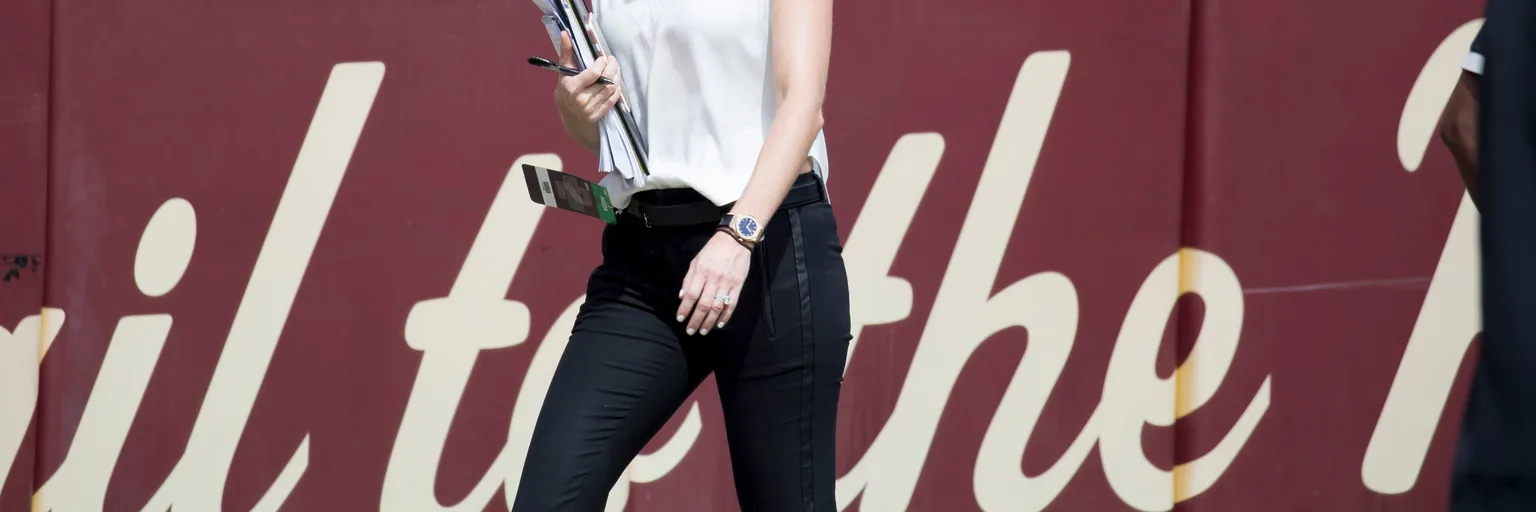
Olivia Cooke's social media exit isn't a stunt. It's a boundary
Olivia Cooke stepped away from social media over fandom toxicity. We think the real story is who gets to log off, and who has to stay.
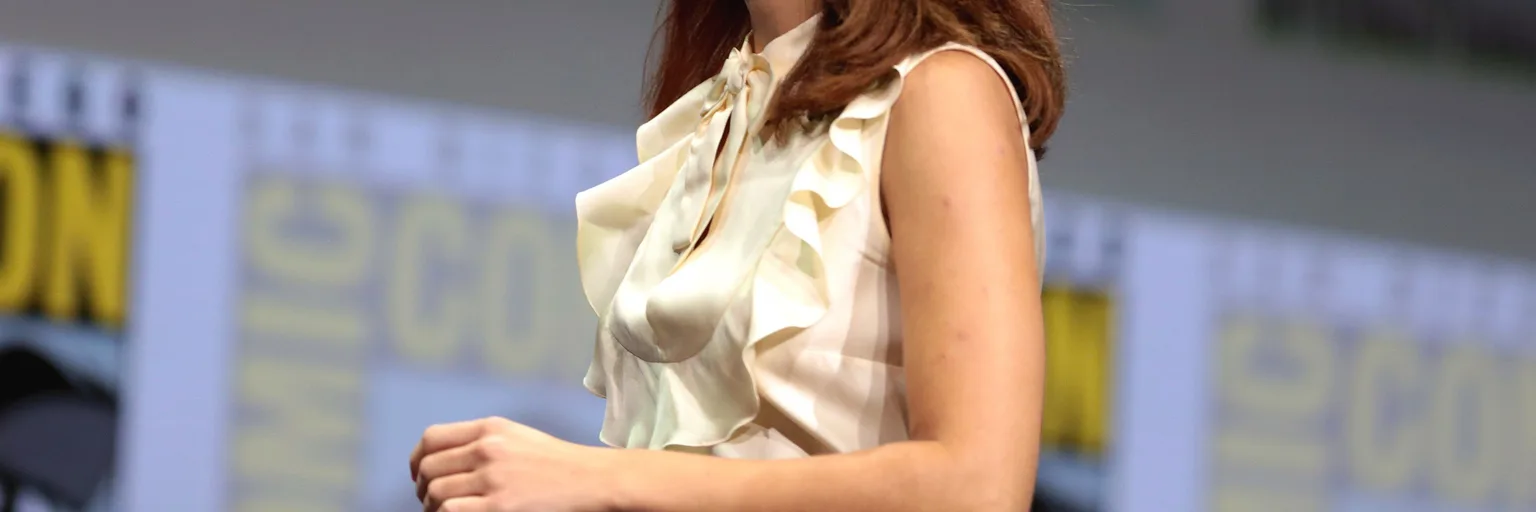
Likability isn't a background check, and Walliams proves it
The collapse of David Walliams' family-friendly empire shows that a lovable persona is a product, not proof of character, and that networks and fans keep mistaking one for the other.
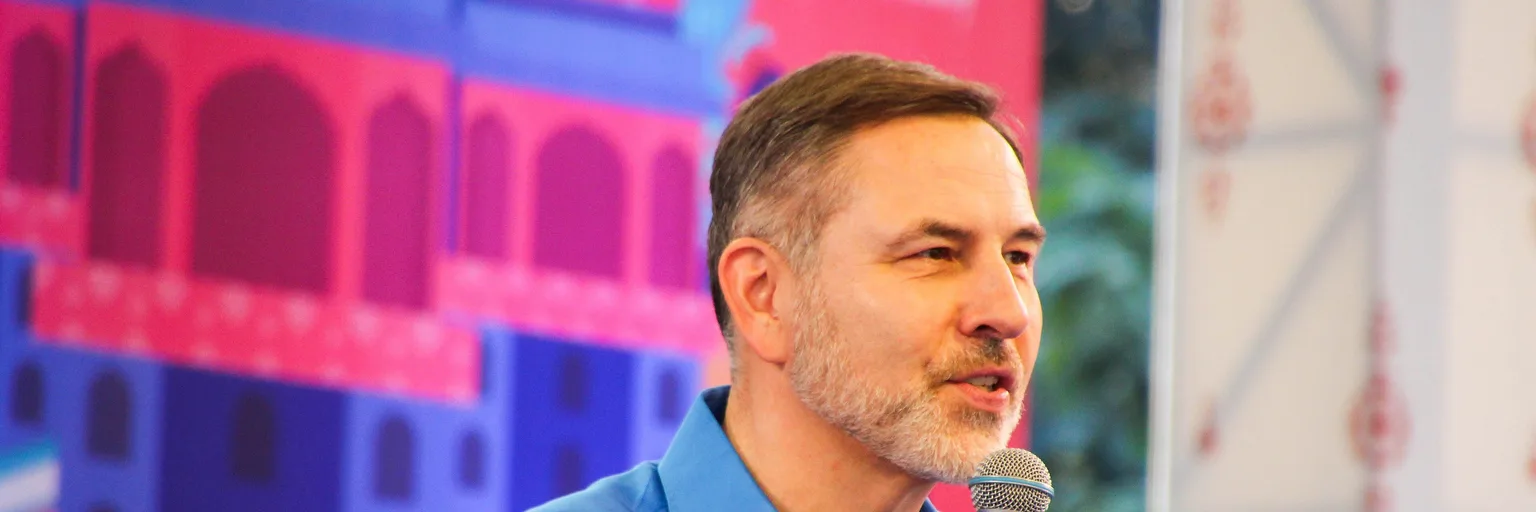
Erin Andrews' 300th NFL game proves the sideline is now a brand launchpad
Three hundred games in, Erin Andrews' real product isn't the sideline report. It's a personality that sells clothes, fills podcasts and eyes the morning couch.
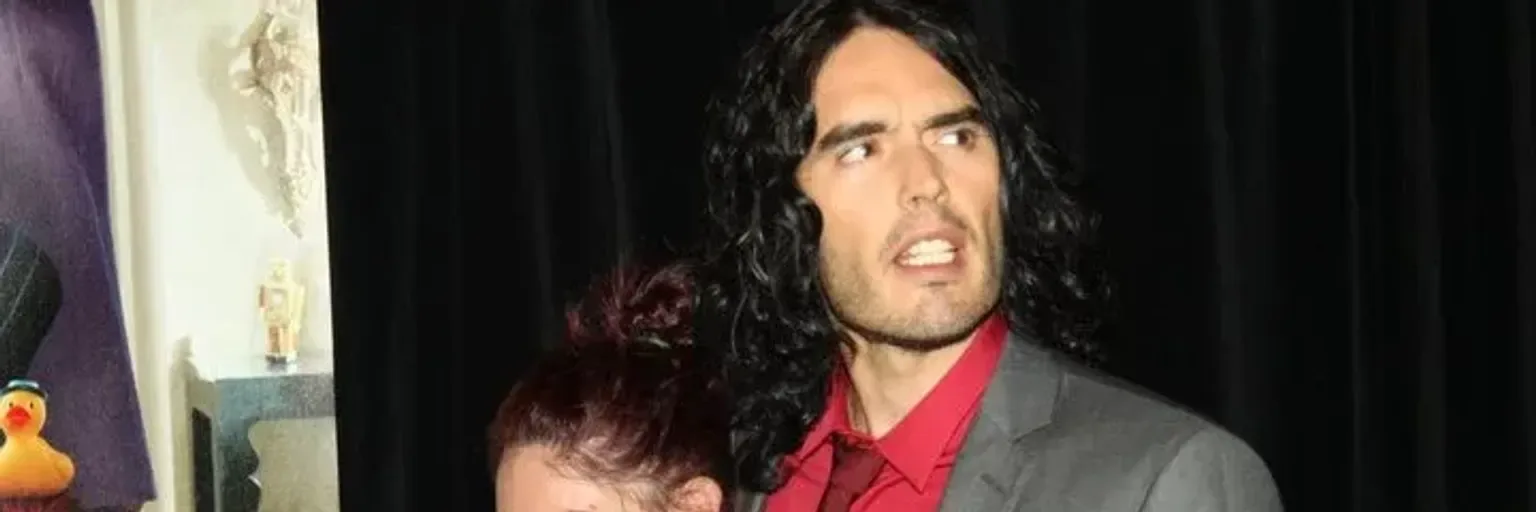
Russell Brand's "rebel guru" act was never a movement. It was a shield
A London jury convicted Brand of rape and sexual assault. The verdict exposes how the anti-establishment persona worked, and why we were so slow to ask what it protected.