Ali G returns, and the real test is whether satire can still land
Sacha Baron Cohen's revival bets that prank comedy can survive an era of performed outrage. The early evidence suggests the audience is the target, and the verdict is mixed.
Photo: User Dr Zak on en.wikipedia / Wikimedia Commons (CC BY-SA 3.0)
How do you ambush people who are already angry before you've said a word? That is the puzzle at the center of Ali G's comeback, and it's more interesting than the film's own jokes may turn out to be.
Sacha Baron Cohen's Ali G: Who Iz I? reaches theaters today, October 23, from Amazon MGM Studios. Per Variety, it was shot in secret, as Borat and Brüno were, and it marks his directorial debut. The reception so far is not kind: Wikipedia's tally lists a Metacritic score of 36 out of 100 and 50% positive on Rotten Tomatoes. The theatrical run was also cut, first to a week and then to three days at 125 theaters.
The outrage arrived before the movie did
Here is the neat part. According to The Hollywood Reporter, the film has already triggered a "full-blown meta-outrage cycle," including a boycott campaign, and its plot has Ali G's progressive nemesis, also played by Baron Cohen, trying to cancel him over cultural appropriation. The joke is being litigated in public before anyone has bought a ticket.
That is both clever and a little suspicious. In our view, a satirist whose premise is "you'll be outraged, and that's the punchline" has built a machine that profits from any reaction. Offended? Proof the target is real. Shrugging? Proof the target is exhausted. That's a heads-I-win design, and it deserves skepticism.
The old Ali G had an easy target; this one has a harder one
The Guardian's analysis argues that character comedy needs a shared understanding of the social phenomenon being mocked. In the late 1990s, it notes, black street culture was new enough in the UK mainstream to make Ali G a direct hit. Today that consensus is gone. The same piece quotes comedian Dane Baptiste calling the revival a regression of "25 years."
Those objections are serious, and we wouldn't wave them away as mere cancel-culture noise. Whether a white man in a Caribbean-British accent can still be read as a joke on the white imitator, rather than on the culture being imitated, was disputed back then too.
Baron Cohen's own pitch is that he wants to expose "the extremism on both sides of the political spectrum and the danger of virtuous violence." Fine. But note what that implies. The only viable target in 2026 is not a politician who can be tricked into saying something dumb. It is the viewer who has decided, in advance, what the joke must mean. The revival works, if it works at all, only when it embarrasses the audience's own reflexes, including the delight in watching somebody get "owned."
So, can satire still punch?
We think it can, but not by the old method. Prank satire relied on an unsuspecting subject. Now everyone is a performer, and the famous face needs disguises on top of disguises, as The Guardian puts it. The genuine, unguarded moment is scarcer, so the comedy has to move from "gotcha" toward self-implicating discomfort. That is harder, and the lukewarm reviews hint it may not be pulled off here.
Be wary of the heroic framing, too. Baron Cohen tells THR this is the last guerrilla comedy he'll make, but the magazine notes he has been saying that for years. Treat it as marketing, not a promise.
Our verdict: go see it if you're curious whether the genre has a pulse, and judge the film rather than the boycott or the counter-boycott. If the joke only makes you feel superior to the people on the other side, it failed. If it makes you squirm at your own laughter, Ali G is still dangerous.
No topics yet: start the first one.
More stories
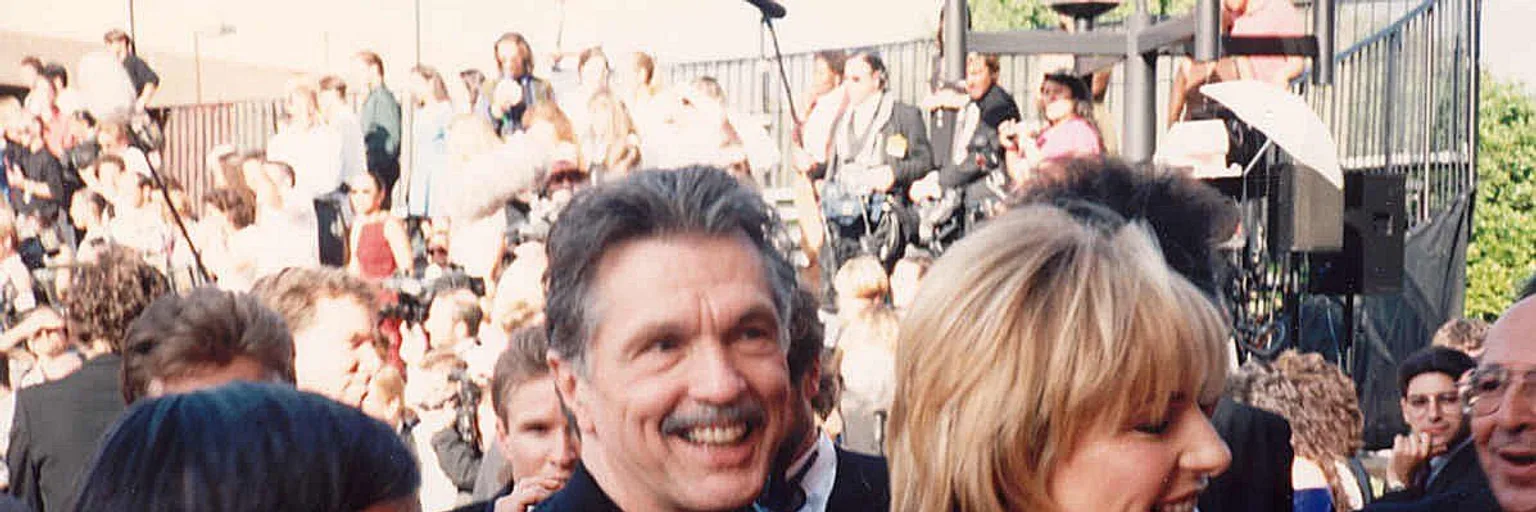
Tom Skerritt and the Quiet Authority Hollywood Forgot to Replace
Skerritt's turns in Alien, Top Gun and Picket Fences made the case for the understated authority actor, a type that modern stardom has little room left for.
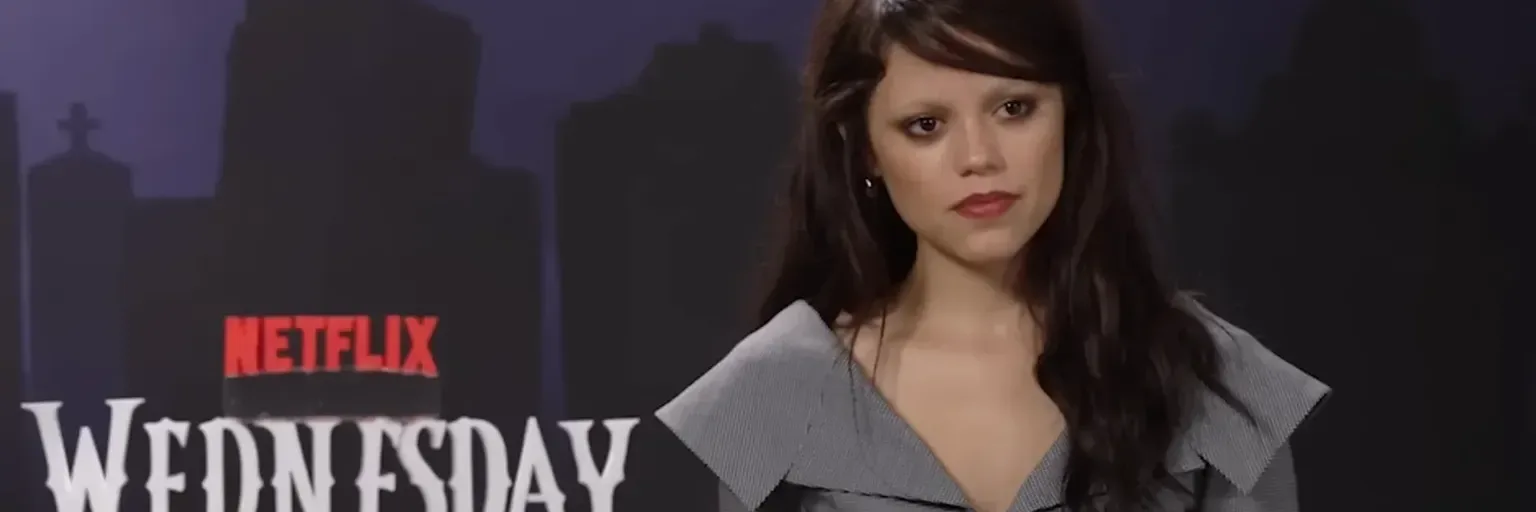
Jenna Ortega's Doubt About Wednesday Is Why We Believe Her
The star of Netflix's biggest English-language hit says she's still confused by its success. Her doubt is more credible than any polished victory lap, and a useful warning about star instincts.
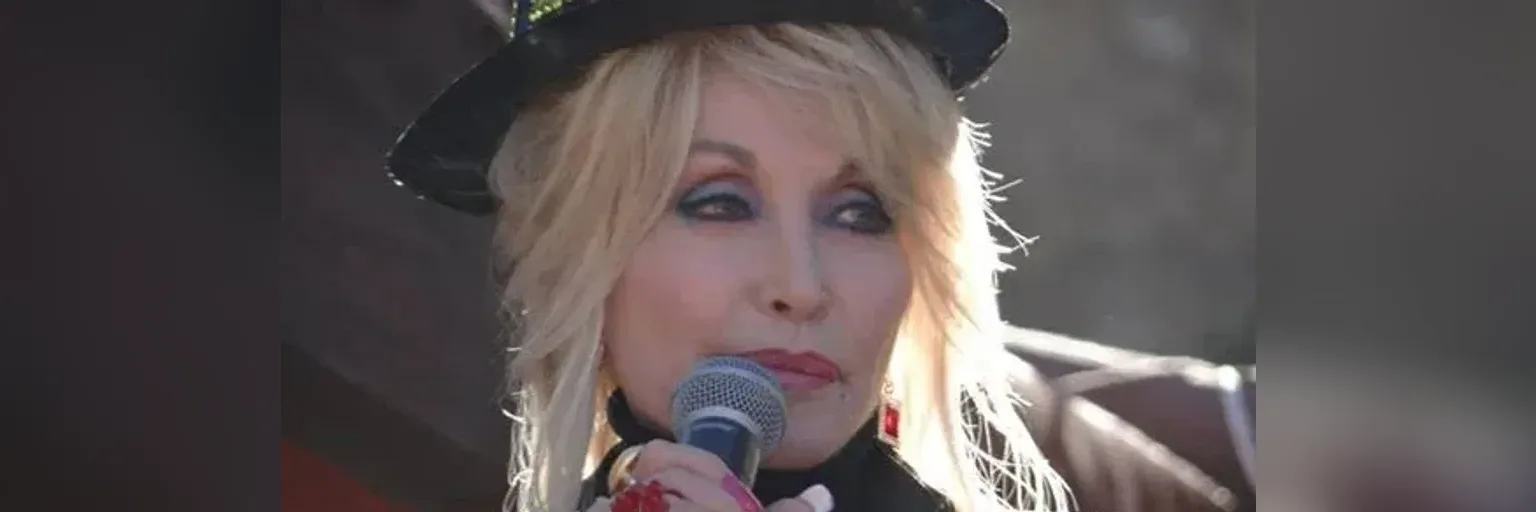
Mourning Dolly in sequins: the CMA tribute is grief as brand event
The CMA tribute to Dolly Parton was part concert, part red carpet. We think her legacy, books and generosity included, deserves more than a well-tagged dress.
The Sprouse "incest" joke shows where oversharing turns on you
Dylan Sprouse's family-tree quip and Cole's reaction became a headline machine within days, proving that celebrity candor gets clipped, flattened and sold in its worst form.