Dolly Parton's estate fight proves love is not a governance plan
A $450 million empire, a manager and a nephew in court: the Dolly Parton feud shows that even flawless planning cannot replace clear roles, limits and accountability.

A backstage haircut for a fan with stage 3 breast cancer went viral. Real kindness and viral kindness can coexist, but our clicks decide which one wins.
The memoir boom suggests fame now monetizes vulnerability. Readers should stop rewarding score-settling and start asking for actual insight from the famous.
The Prince of Wales gushing about Christopher Nolan and The Celebrity Traitors looks like calculated charm, but modern monarchy survives by being a fan like the rest of us.
When an estranged relative is accused of something grave, the spotlight tends to swing to the famous branch of the family. The real question is who is actually accountable.
Sacha Baron Cohen's revival bets that prank comedy can survive an era of performed outrage. The early evidence suggests the audience is the target, and the verdict is mixed.
Skerritt's turns in Alien, Top Gun and Picket Fences made the case for the understated authority actor, a type that modern stardom has little room left for.
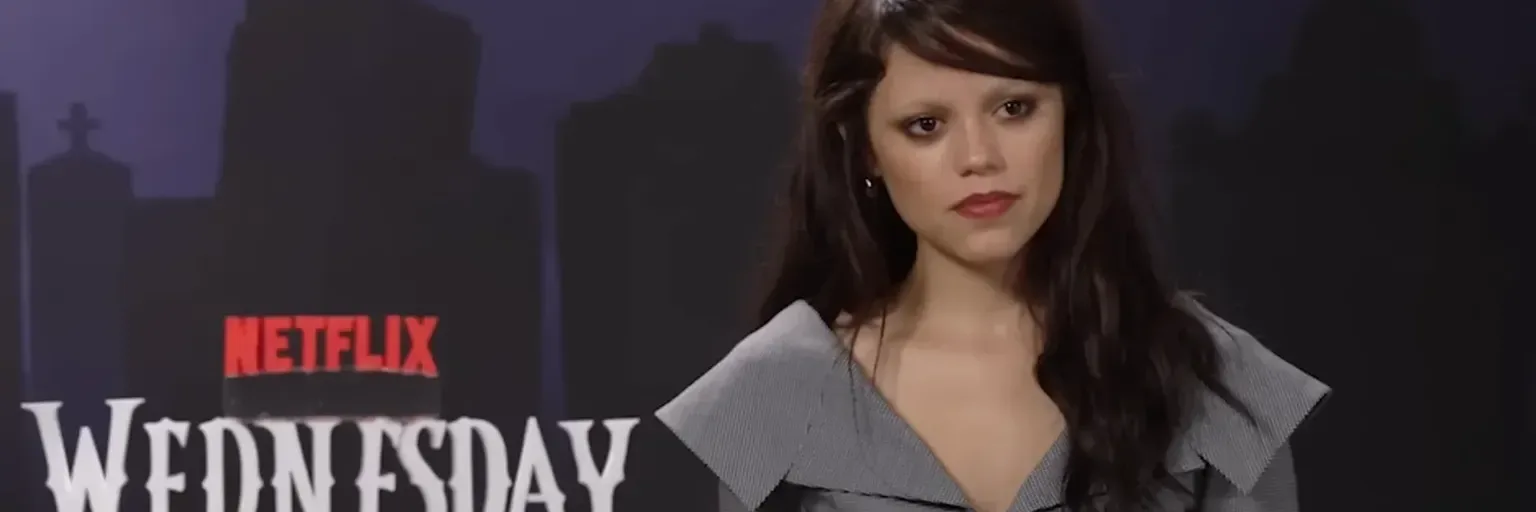
The star of Netflix's biggest English-language hit says she's still confused by its success. Her doubt is more credible than any polished victory lap, and a useful warning about star instincts.
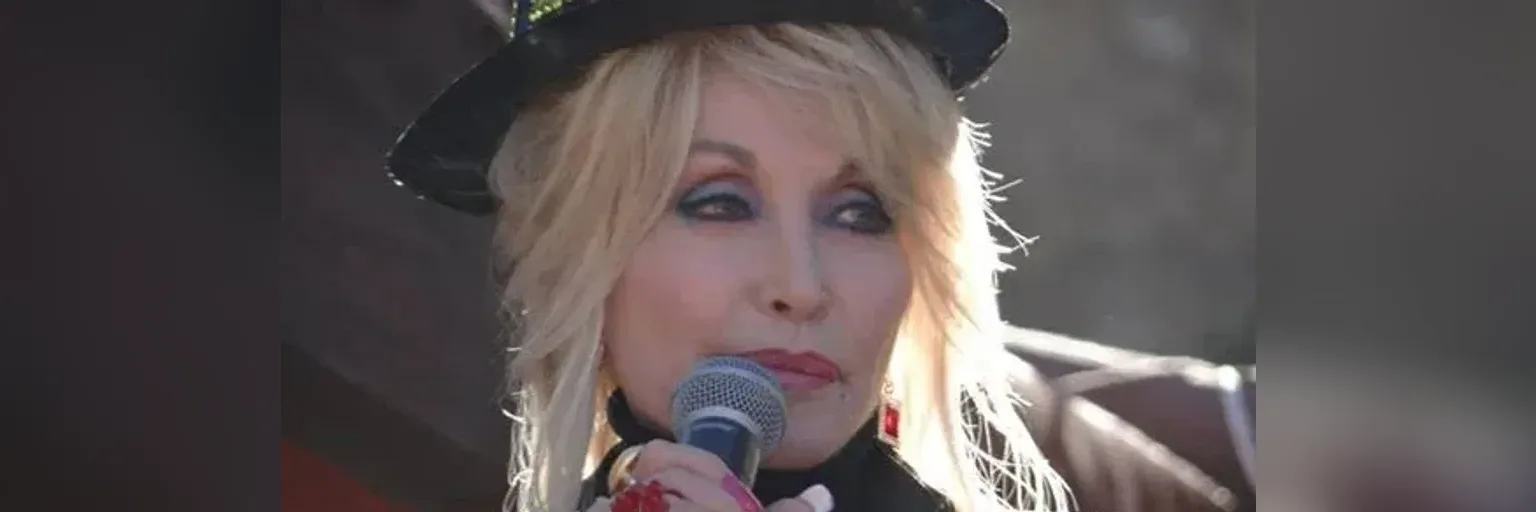
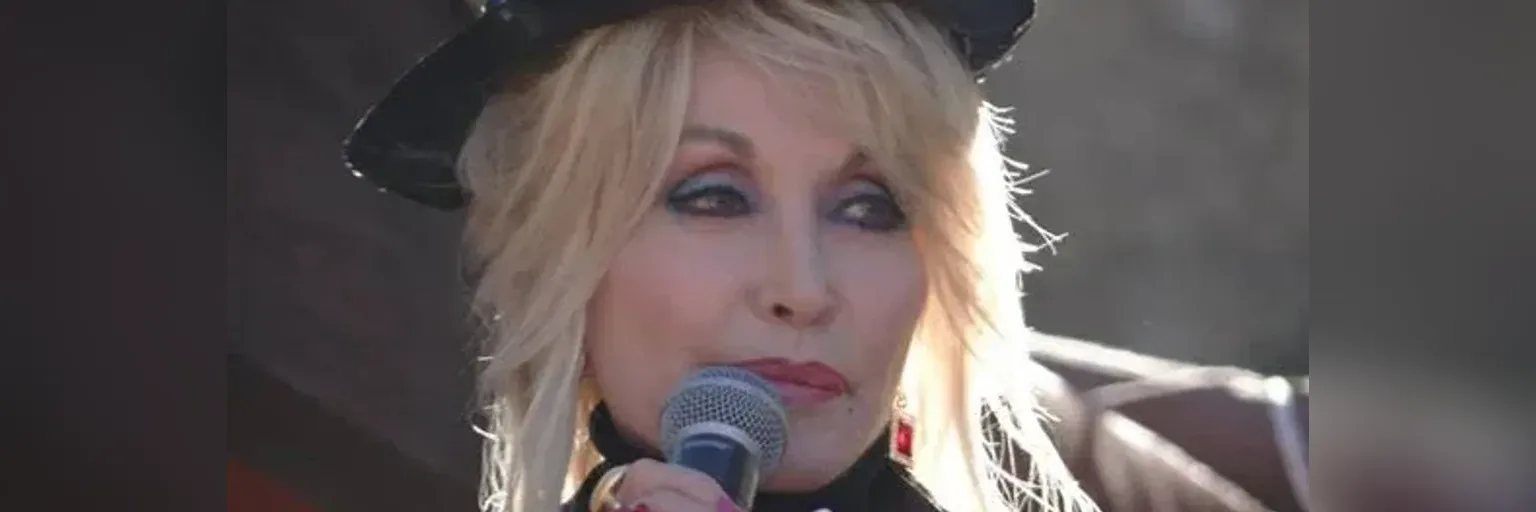
The CMA tribute to Dolly Parton was part concert, part red carpet. We think her legacy, books and generosity included, deserves more than a well-tagged dress.
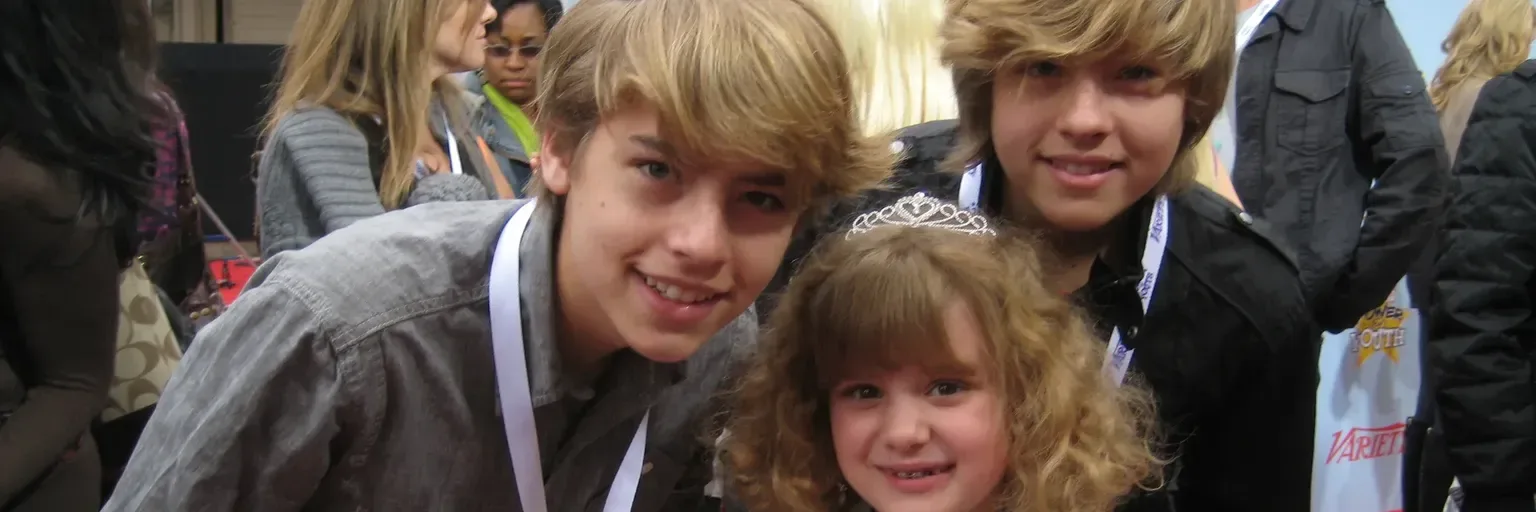
Dylan Sprouse's family-tree quip and Cole's reaction became a headline machine within days, proving that celebrity candor gets clipped, flattened and sold in its worst form.
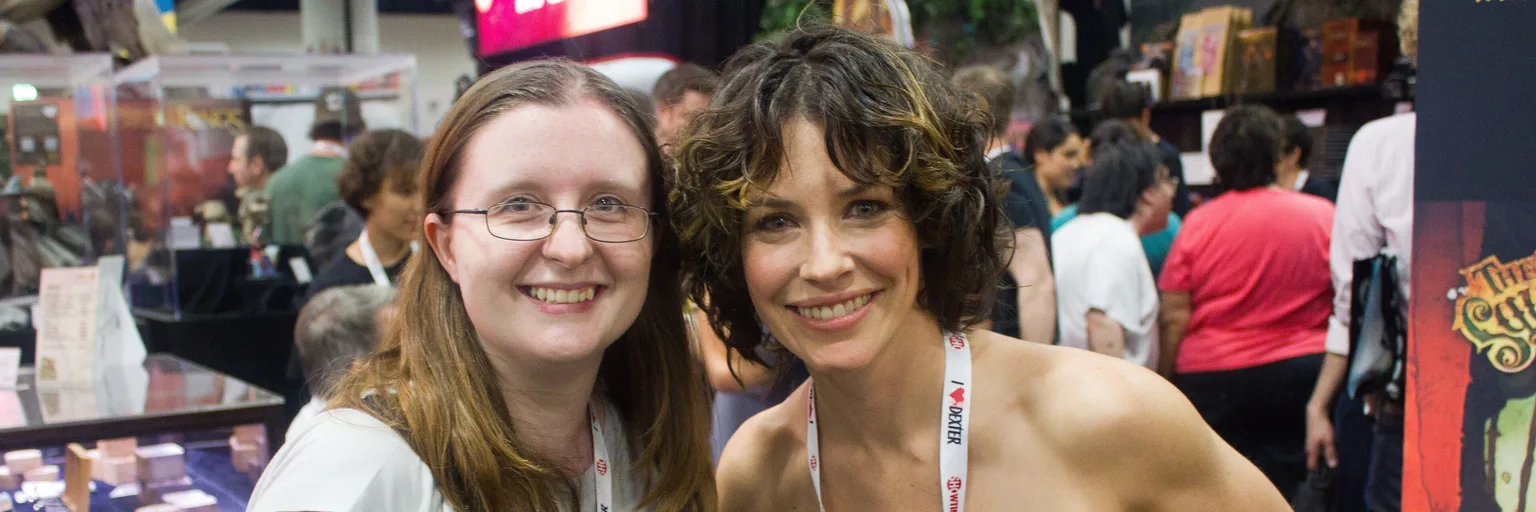
Evangeline Lilly’s Hollywood departure challenges the idea that visibility is success, turning privacy, autonomy and usefulness into a more compelling status symbol.
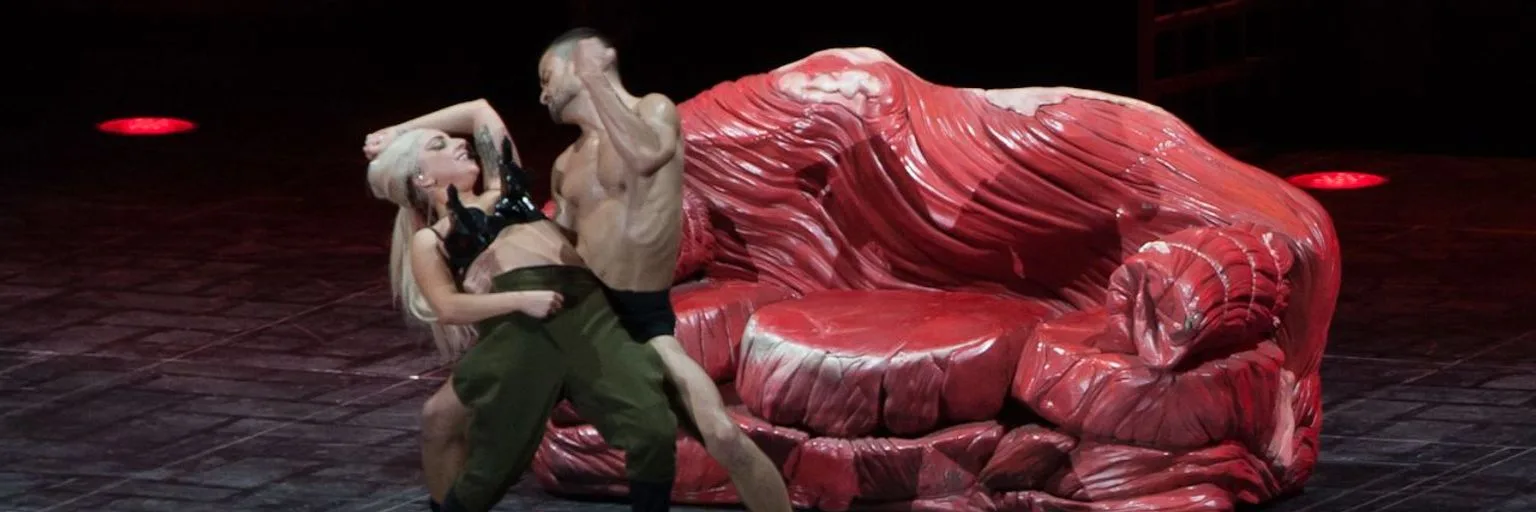
Lady Gaga’s first child and a reassuring message about new music expose pop’s hardest balancing act: offering intimacy without turning family life into a campaign.
Noodles stepping away from The Offspring’s live shows is more than a band update: it exposes the cost of treating endless touring as punk’s only proof of life.
Their relationship challenges the idea that commitment requires one shared address—and offers a healthier, more flexible definition of intimacy.
Dillon’s return to customer service is more than a celebrity anecdote: it shows how a production slump can turn a promising acting career into precarious work.
The clash is not really about broken windows. It is about whether wealthy artists can still speak for the city, its anger and the politics of attention.
Hilary Swank’s third child at 52 makes later motherhood more visible while exposing the medical realities, privilege and impossible standards around celebrity pregnancy.
Alex Cooper’s first child is more than a celebrity milestone: it puts her carefully engineered business of intimacy under its most revealing pressure test yet.
Mentissa’s story exposes the ugly bargain behind talent-show fame: a trophy can open the spotlight while public prejudice tries to decide who deserves it.
Eric Dane’s posthumous memoir matters less for its drug list than for the uncomfortable question it raises: can celebrity pain be shared without becoming content?