The "it's your choice" defense is running out of road for Meta and Snap
A Los Angeles jury is again asked whether feeds were built to hook teens. After a March loss, the personal-choice argument looks weaker, and design is the real defendant.
AI-generated image
If a slot machine were designed to be hard to put down, would we blame the gambler for not putting it down? For years, social media companies have answered a version of that question with a shrug: it's up to users, and up to parents. A courtroom in Los Angeles is now testing whether that shrug still works.
As Reuters reports, two teenage plaintiffs who say social media caused them serious mental health problems take Meta and Snap to trial on Wednesday. Valor Econômico describes it as the latest test of claims made in thousands of US lawsuits. Meta and YouTube already lost in March, when a California jury found them liable on all counts in a case over the mental health of a young woman. This time, according to Settlement Insight, YouTube and TikTok have settled, leaving Meta and Snap at the defense table.
The legal theory is the story, not the teenagers
The quiet revolution here isn't emotional, it's architectural. The New York Times described these cases as testing a new legal strategy: claiming the products themselves caused personal injury through addictive design. That shift matters enormously. "Did this kid use too much Instagram?" is a question about willpower. "Was the product engineered to make stopping difficult?" is a question about engineering, and companies are very good at answering engineering questions, which is exactly their problem. We'd bet they have plenty of A/B tests, dashboards and internal memos that a jury might want to see.
We think this is why the personal-choice defense is running out of road. It works when the product is neutral, like a book or a phone line. It gets much harder to sustain when the product is a feed that, as plaintiffs argue, was tuned to maximize the time a teenager spends in it. Nobody argues that a casino patron simply lacked discipline while ignoring the carpet design, the missing clocks and the free drinks.
The companies' own conduct is doing the plaintiffs' work
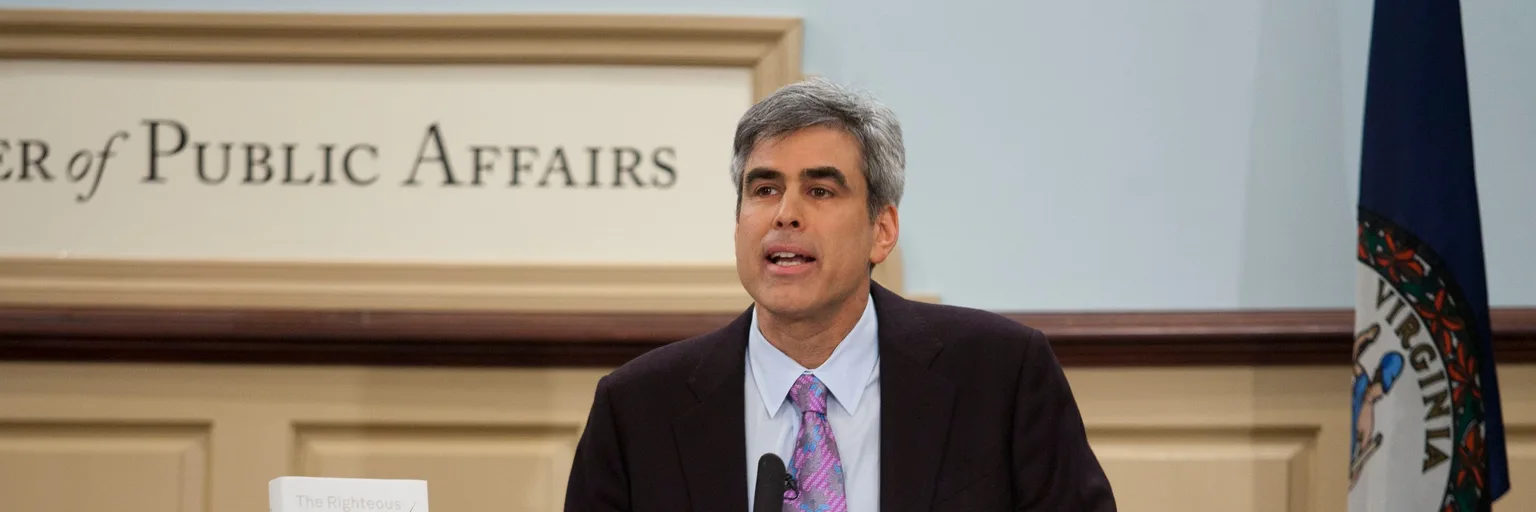
Consider what has surfaced outside the courtroom. The Verge reports, citing newly filed court documents, that in March 2023 Meta discussed a "Whisper strategy" to "turn academics against" the social psychologist Jonathan Haidt, whom it describes as a key critic. We should be careful: The Verge says the company considered the campaign, and nothing we've seen shows it was carried out. Still, as optics go, it's hard to beat. A company confident its product is harmless doesn't usually brainstorm ways to quietly discredit the people saying otherwise.
Then there is the money. In August, the LA Times reported that Meta agreed to a $17 billion settlement with 47 states, ending a landmark trial and averting an expected appearance by Mark Zuckerberg. Settlements aren't admissions, and we won't pretend otherwise. But companies don't usually write checks of that size, or settle ahead of a jury as TikTok and YouTube did here, because they feel invincible.
Notice, too, how Meta and Snap are fighting this one. According to the Daily Journal, they asked the judge to apply stricter out-of-state standards for proving psychological injury and causation, citing the laws of Mississippi and Illinois, where the plaintiffs reside. That is a legitimate lawyerly move, and also a tell, in our view: the fight is increasingly about how hard it is to prove harm, not about whether the products were designed to hook people.
Where we'd be cautious, and what to watch
None of this means a plaintiff win is guaranteed. Causation in mental health is genuinely messy, and a jury is not a peer-reviewed study. Settlement Insight notes the first jury awarded $6 million, which is a signal rather than a ruling on the science. Reasonable people can believe social media harms some kids without believing every struggling teenager's story begins with a feed.
But that nuance cuts against the companies' favorite framing, not for it. If harm varies by user, then the responsible design question is obvious: why do the defaults of infinite scroll, notifications and algorithmic recommendation assume the most vulnerable user can handle them? Putting the burden on a teenager's self-control, and then on a parent's vigilance, is asking the least powerful people in the system to fix what the most powerful built.
Our verdict: this trial matters because it moves the conversation from the user's character to the product's blueprint. Whatever this jury decides, the argument that a feed is just a mirror of personal choice has, we think, already lost much of its credibility. The sensible response for the rest of us is to stop asking whether teens have enough willpower and start asking, of every app, what it was built to make them do.
No topics yet: start the first one.
More stories
Meta's whisper strategy and the EU's pause: parents, trust neither
Court files show Meta weighing a quiet campaign against Jonathan Haidt while Brussels freezes national kids' bans. Both moves put power before families.
A celebrity cosign isn't a background check: the Wagmor lesson
When stars make a pet brand fashionable, buyers outsource due diligence to fame. The Wagmor allegations show why an A-list endorsement is not an ethics certificate.

The Rookie goes North because TV no longer trusts a single show
Season 9 and the Rookie: North spin-off arrive as a two-hour block, a sign that long-running TV survives by multiplying, as long as the original keeps its heart.

Tradwife content isn't just aesthetic: it's a boardroom problem
Sheryl Sandberg's warning about tradwives sounds like culture-war noise, but the leadership numbers behind it deserve a harder look, and a few caveats.