Marvel’s Jocasta Problem: When Fan Service Becomes the Story
Jocasta’s sudden spotlight shows Marvel selling curiosity through obscure canon—but VisionQuest still has to make the Easter eggs serve a human story.
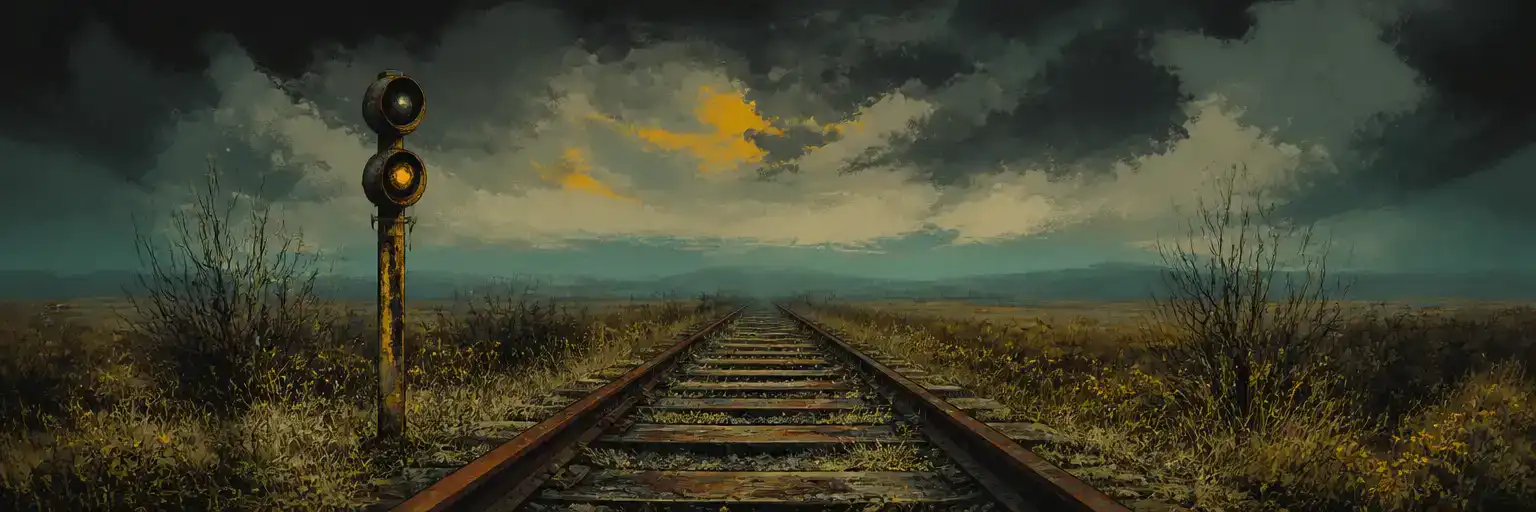
AI-generated image
What does it say about Marvel when a character whose MCU presence had previously been limited to a name suddenly becomes a prominent topic of online discussion? Jocasta’s apparent arrival in VisionQuest is not just a comic-book callback. It is a neat summary of how the Marvel Cinematic Universe now creates anticipation: less through universally recognizable heroes, and more through the promise that some forgotten detail might finally matter.
That curiosity is remarkable for a character who barely existed on screen. But curiosity is not the same thing as emotional investment—and Marvel’s next challenge is proving that Jocasta can be more than an answer key for devoted fans. The real test is whether this obscure reference can serve Vision’s story instead of replacing it.
Marvel has turned obscurity into a marketing strategy
Jocasta’s MCU connection began as an almost disposable detail in Avengers: Age of Ultron. According to Tangerina’s account, Tony Stark considered Jocasta among the artificial-intelligence options while looking for a replacement for JARVIS before choosing FRIDAY. It was the kind of name that could sit unnoticed in the background forever—or wait eleven years for Marvel to decide it had franchise value.
Now promotional material presents Jocasta as an android with a threatening appearance, red eyes and a direct confrontation with Vision. The series also brings back Ultron, making the old reference newly legible. The result is classic modern Marvel: the past is never merely past; it is a warehouse of dormant intellectual property waiting for the right trailer.
We think this is both clever and slightly exhausting. It gives longtime viewers the pleasure of recognition while making the MCU feel interconnected. But it also changes the viewing experience. Instead of asking, “What does this character want?” audiences are encouraged to ask, “Where have I seen that name before?” Fandom expertise becomes a kind of entrance fee, and every obscure reference starts competing for promotion, explanation and screen time.
Jocasta should complicate Vision, not just connect him to Ultron
The strongest reason for Jocasta to exist is not her comic-book history. It is Vision’s identity crisis. Trailer material frames VisionQuest around White Vision’s struggle to determine whether inherited memories make him the same person as the original Vision. As Superhero Toystore’s trailer breakdown explains, the story appears to revisit the philosophical problem raised in WandaVision: if a body, consciousness and experiences are rebuilt, what exactly survives?
That is rich material. Vision is not simply recovering memories; he is trying to understand whether memories belong to him. The reported mindscape—a mansion set against a circuit-board-like landscape—makes that internal conflict visible. The house may represent a lost home, a reconstructed family or an artificial attempt to manufacture belonging. Those ideas give the series a center beyond continuity trivia.
Jocasta can strengthen that center if she functions as a disturbing variation on the same question. She is an artificial intelligence with a history connected to Ultron, the technology that helped create Vision’s world. In Marvel Comics, Ultron created Jocasta using Janet van Dyne’s brain patterns and intended her as a companion, but she resisted her programming and became a hero. The adaptation may not follow that path; the documentation leaves her role uncertain.
That uncertainty is useful. Jocasta could force Vision to confront the difference between being designed for a purpose and choosing one. She could expose the danger of treating artificial beings as tools, partners or replacements. She could even mirror Vision’s own fear that identity is something assigned by creators rather than built through lived experience. Those are story functions. “She is connected to Ultron” is only a reveal.
The Easter egg cannot be more important than the person
The danger is that VisionQuest mistakes recognition for drama. ScreenCrush describes the first episode as packed with comic references, callbacks to Vision’s history and multiple artificial intelligences inside his mindscape. That density may reward viewers who pause, rewind and consult explanations. But a story should not require a glossary before its emotions can land.
Marvel has already made the mystery of Jocasta part of the entertainment. The question is whether the eventual character can survive the answer. If she is merely a villain with a familiar silhouette, red eyes and a connection to Ultron, the payoff will feel like a corporate scavenger hunt. The audience found the hidden object; now the show must give it a reason to exist.
The most promising version of Jocasta is therefore not necessarily the most comic-accurate one. It is the version that makes Vision’s dilemma harder. If she is created from borrowed systems, shaped by another intelligence or trapped between programmed purpose and independent will, she can turn the series’ abstract identity debate into a confrontation. Vision would not just be looking at another machine. He would be looking at a possible future—or a warning.
Marvel should stop treating fandom as the emotional climax
The reported VisionQuest materials already contain plenty of recognizable machinery: Ultron returns, Wanda’s presence hangs over the story, Tommy Shepherd is involved, and familiar AIs including JARVIS, FRIDAY and E.D.I.T.H. appear in the orbit of Vision’s mind. The ingredients are not the problem. The problem is hierarchy.
Our verdict is simple: Jocasta deserves the spotlight only if she makes Vision’s story more intimate, unsettling or morally complicated. If her main achievement is proving that Marvel remembered a line from Age of Ultron, she will be a very expensive footnote. If she becomes a character who challenges Vision’s ideas about memory, design and freedom, then the deep cut earns its resurrection.
Marvel can keep selling Easter eggs. Fans clearly enjoy hunting them. But VisionQuest needs to remember that the best discovery is not the reference itself. It is the feeling that the reference was worth turning into a story.
No topics yet: start the first one.
More stories
Reacher’s 31st Novel Shows Franchises Need Rules, Not Reinvention
Chain Reaction makes the case that readers do not need a new Reacher—they need the old promise delivered with enough variation to keep the formula alive.

Hollywood's New North Star? 'La Bola Negra' Shows Authentic Stories Win
The surprising US box office success of Los Javis' 'La Bola Negra' is a powerful testament to how culturally specific, authentic Spanish cinema can capture a global audience, challenging traditional Hollywood narratives and signaling a new era for streaming giants.
Wichita's Unsettling Tragedy: Our Fragile Grip on Public Safety
A truck plowing into a youth soccer game in Wichita, Kansas, killing two and injuring ten, shatters the illusion of safety in everyday settings and forces a collective reevaluation of our shared public spaces.

Cinema's 2026 Comeback: More Than Just Nostalgia, It's a Reckoning
The resurgence of cult classics like 'Trainspotting' and the thematic continuation of 'The Social Network' proves cinema's enduring power to challenge and reflect our contemporary world.