Olivia Dean's Lawsuit: When Inspiration Becomes a Legal Echo
The copyright infringement suit against Olivia Dean for her song "I've Seen It" reignites critical questions about musical originality, creative homage, and the significant financial stakes in the digital music era.
AI-generated image
When does inspiration end and imitation begin? This age-old question, a perpetual undercurrent in the creative arts, has once again surged to the forefront, this time engulfing rising British pop star Olivia Dean. Her song “I’ve Seen It,” a track from her 2025 album The Art of Loving, is at the center of a copyright infringement lawsuit, accused of bearing a striking resemblance to Bill Withers' legendary 1981 hit, “Just the Two of Us.”
The late soul icon’s estate, managed by Mattie Music Group, filed a lawsuit in California around October 1, 2026. The suit targets not only Olivia Dean, but also major music entities Universal Music Group, Sony, and Kobalt, alleging that Dean's song copies a distinct melody from Withers' classic. This legal action, aimed at protecting what the estate views as a cornerstone of his musical legacy, quickly transformed into a pop culture flashpoint, with headlines across various outlets from Pajiba to The Hollywood Reporter detailing the unfolding dispute.
The Blurred Lines of Musicality: A Perennial Industry Debate
Music, by its very nature, is built upon a shared language of rhythm, harmony, and melody. Artists constantly draw from a vast well of influences, sometimes consciously, sometimes not. The challenge, and the crux of this current debate, lies in defining where the line between homage, interpolation, and outright theft is crossed. The Mattie Music Group asserts that the similarities between “I’ve Seen It” and “Just the Two of Us” are not merely coincidental but constitute a recognizable infringement of Withers' distinctive melody. Publications like The Independent have reported that Withers' team claims there are "striking similarities" between the songs, a common yet highly subjective point of contention in such cases. For listeners, these cases often boil down to an ear test: does it sound too similar, or is it just a familiar chord progression? For the courts, however, the examination is far more rigorous, dissecting specific melodic phrases and harmonic structures.
The Mounting Stakes: Protecting Legacies and New Talent
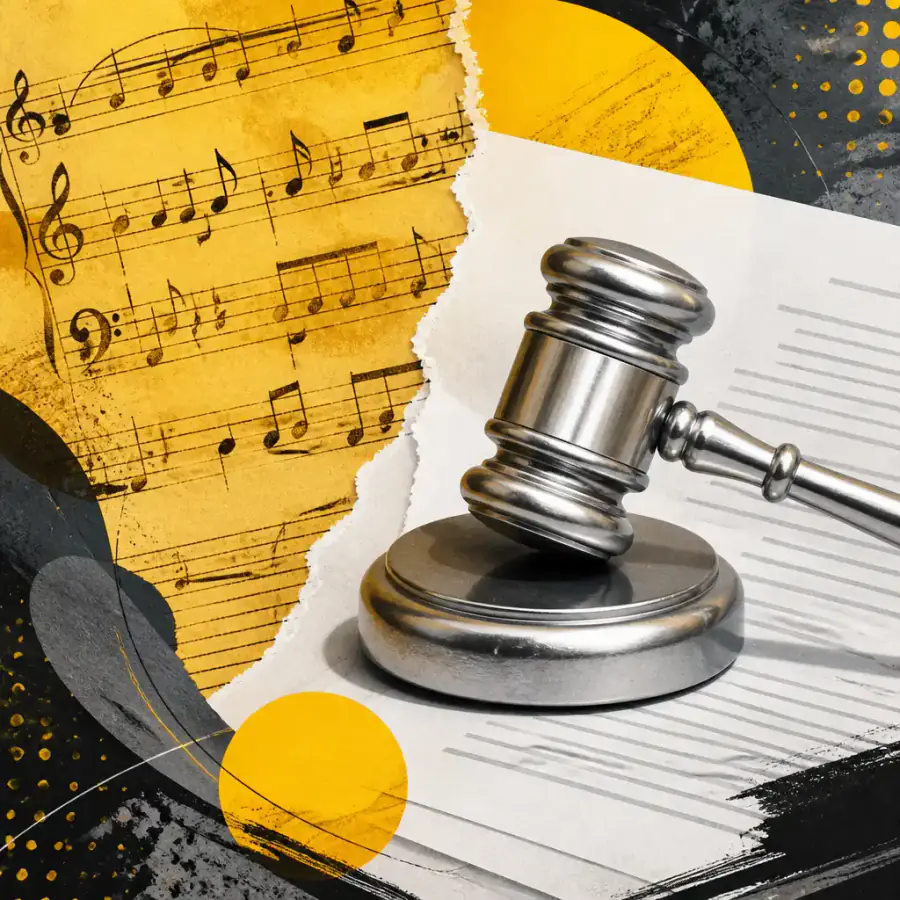
These copyright battles highlight the immense value placed on musical intellectual property, particularly for the estates of legendary artists. For the Mattie Music Group, protecting Bill Withers' catalog is not just about a single song; it's about safeguarding an entire legacy and the revenue streams it generates. The decision to sue major players like UMG, Sony, and Kobalt alongside Dean underscores the broad scope of accountability sought when alleged infringement occurs. On the other side, an accusation of plagiarism can be a significant blow to a rising artist like Olivia Dean. Beyond the potential financial penalties, such lawsuits can cast a shadow over an artist's reputation and creative integrity, even if eventually cleared. The lawsuit, as Reuters reports, involves substantial legal resources and reflects a deep-seated commitment by rights holders to enforce their claims.
The Digital Court of Public Opinion
In the era of instant information and social media, legal proceedings quickly spill over into the digital court of public opinion. News of the lawsuit spread rapidly across platforms like Reddit, as noted by r/popheads and r/Fauxmoi, where fans and amateur musicologists alike dissect audio comparisons, offer their analyses, and debate the merits of the claims. This public scrutiny adds another layer of complexity to the legal battle. While not legally binding, public sentiment can influence perceptions, potentially impacting an artist's career trajectory regardless of the ultimate court verdict. It underscores how rapidly a legal dispute can evolve into a cultural conversation about what defines originality in the collective consciousness.
Ultimately, the Olivia Dean lawsuit is more than just a specific legal dispute; it's a symptom of an industry continually grappling with the boundaries of creativity. As music becomes more accessible and influences blend globally, the tension between artistic freedom and robust copyright protection will only intensify. This case serves as a powerful reminder that while music is meant to be shared, its creation remains a valuable, protectable asset, often leading to complex and high-stakes legal confrontations.
No topics yet: start the first one.
More stories
Iced Coffeegate: Why a Drink Sparks a Generational Culture Clash
A viral debate over bringing iced coffee to job interviews isn't about the drink itself, but exposes deep generational divides in workplace etiquette and evolving professional norms.