Trendsfera Newsroom
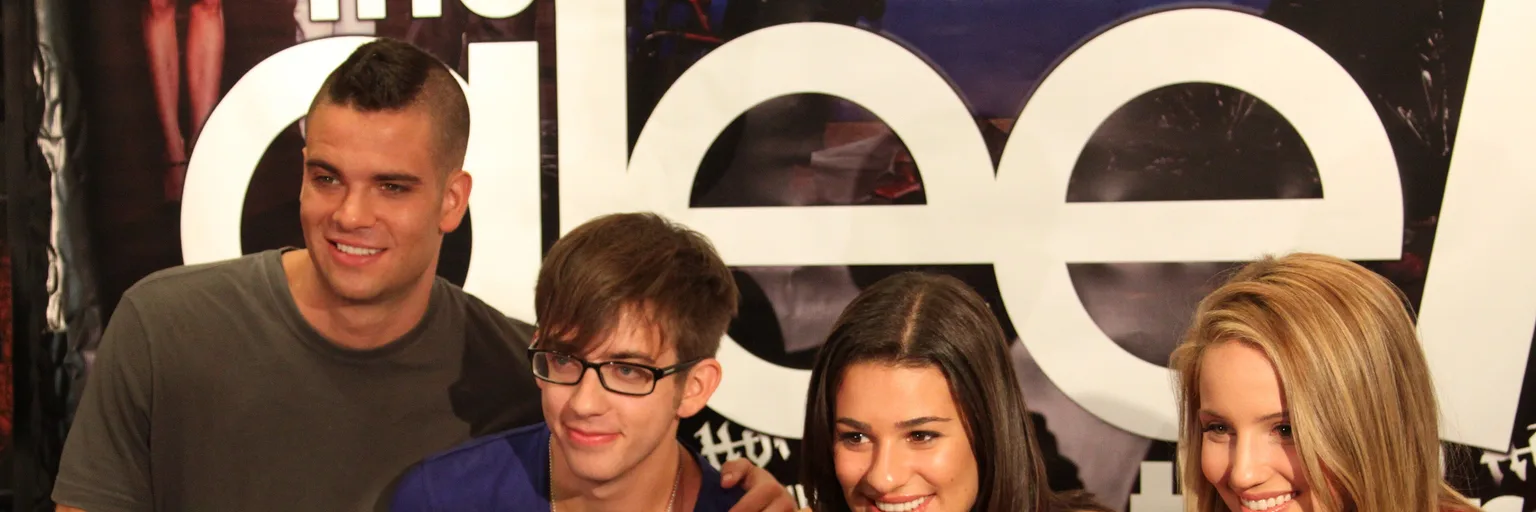
Glee Is Coming Back. Disney+ Is Buying a Nostalgia Problem
The Glee revival has the songs and the legacy, but its real test is whether Disney+ can keep the emotional chaos without reviving the show’s worst habits.
The Glee revival has the songs and the legacy, but its real test is whether Disney+ can keep the emotional chaos without reviving the show’s worst habits.
Mathilde and Hugo are riding a revival of medieval names, but the real trend is parents seeking names with history, personality, and room to grow.
Their relationship challenges the idea that commitment requires one shared address—and offers a healthier, more flexible definition of intimacy.
The LG and Kroger cases expose a marketing habit that treats creator-made audio as background noise—and may force brands to license memes like valuable media.
Jocasta’s sudden spotlight shows Marvel selling curiosity through obscure canon—but VisionQuest still has to make the Easter eggs serve a human story.
Chain Reaction makes the case that readers do not need a new Reacher—they need the old promise delivered with enough variation to keep the formula alive.
Dillon’s return to customer service is more than a celebrity anecdote: it shows how a production slump can turn a promising acting career into precarious work.
The clash is not really about broken windows. It is about whether wealthy artists can still speak for the city, its anger and the politics of attention.
Hilary Swank’s third child at 52 makes later motherhood more visible while exposing the medical realities, privilege and impossible standards around celebrity pregnancy.
When Alexandra of Hanover echoes her mother’s wardrobe, the result is more than nostalgia: it turns inheritance, continuity, and recognition into influence.
The Christmas pop-up is not just a themed night out: it packages nostalgia, ritual and celebrity access into a temporary lifestyle people can buy into.
Alex Cooper’s first child is more than a celebrity milestone: it puts her carefully engineered business of intimacy under its most revealing pressure test yet.
Mentissa’s story exposes the ugly bargain behind talent-show fame: a trophy can open the spotlight while public prejudice tries to decide who deserves it.
Eric Dane’s posthumous memoir matters less for its drug list than for the uncomfortable question it raises: can celebrity pain be shared without becoming content?
A diagnosis can offer community and meaning, but Christina Applegate’s reversal shows how public health stories can turn a person’s suffering into a spectacle.
Prince Harry’s wish to repair royal ties may be sincere, but public reconciliation turns family healing into a contest over trust, privacy and narrative control.
Atsuko Okatsuka’s Rams appearance turns a 45-second routine into a revealing test of how far the NFL can stretch its cultural reach.
The real draw is not confirming Jacob Elordi’s romance with anyone. It is watching scarce information become the most valuable currency in celebrity culture.
An AI-made protest image and a genuinely chaotic Paris feed expose the same weakness: emotional clarity now travels faster than verification.
The final Mercury Retrograde of 2026 in Scorpio, starting October 24, signals a powerful cultural shift, reframing astrological events as vital opportunities for deep emotional reckoning and honest connection.