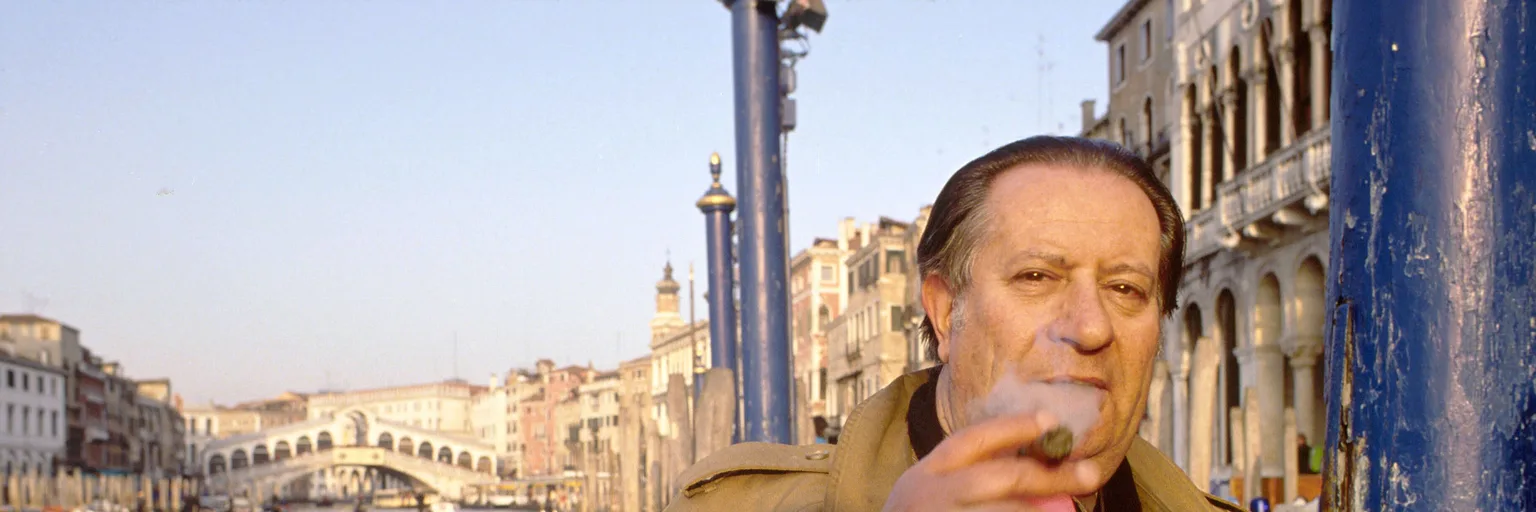
Tinto Brass made desire a signature, and nobody has replaced him
Brass's death at 93 isn't just an obituary: it's a reminder that erotic cinema once had authors, and that free, endless explicit content hasn't produced a single one.
Saying Glenn Close deserved the 1988 Oscar over Cher is the cheapest provocation in Hollywood: it costs nothing, offends no one for long, and sells a memoir.
A fitness influencer's "arrest," staged for social media according to police, is less a prank than a genre. The real cost is paid by cops and by our trust in real arrests.
The stylist who cut Diana's hair also sold anti-frizz serum on talk shows. His death at 75 is a reminder that the celebrity hairdresser invented the beauty-brand playbook.
A Court of Splintered Harmony sold 1.7 million copies on day one, and the costumes, lingerie and ball tickets say the book is only half the event.
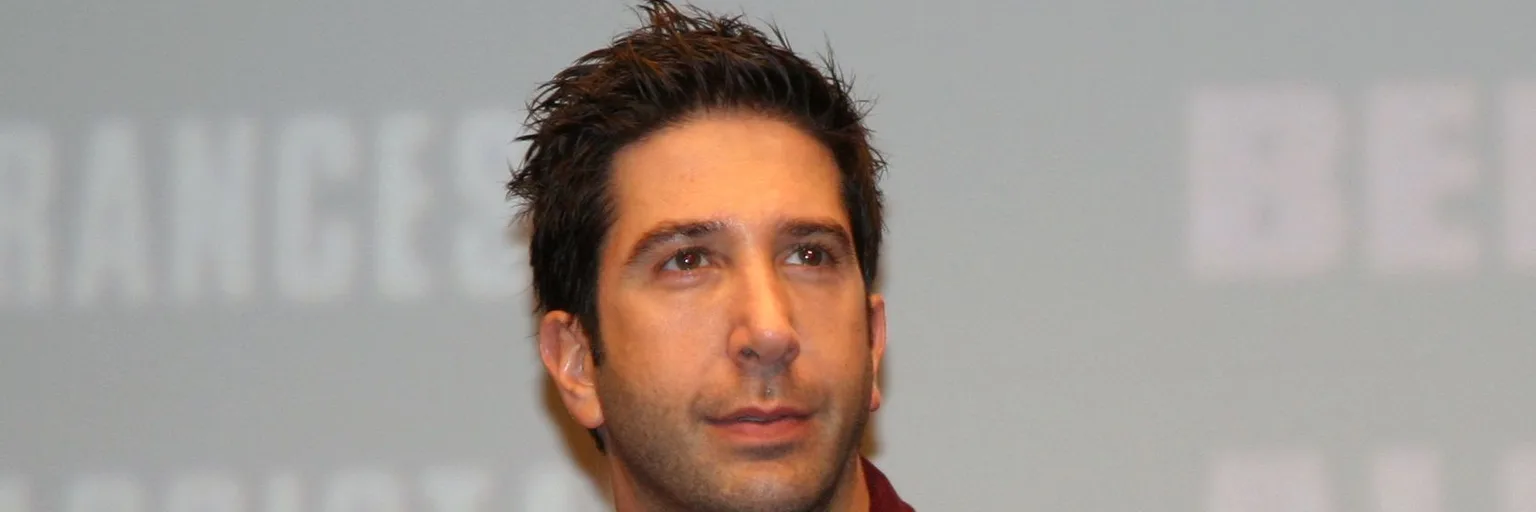
At 60, Schwimmer never landed a second mega-hit. We think that only looks like a flop if you grade fame by box office; by survival, he did better than most.
Admire the stubbornness all you like, but a walk that took a father away from an 8-year-old son deserves as much scrutiny as applause. Who really paid for the finish line?
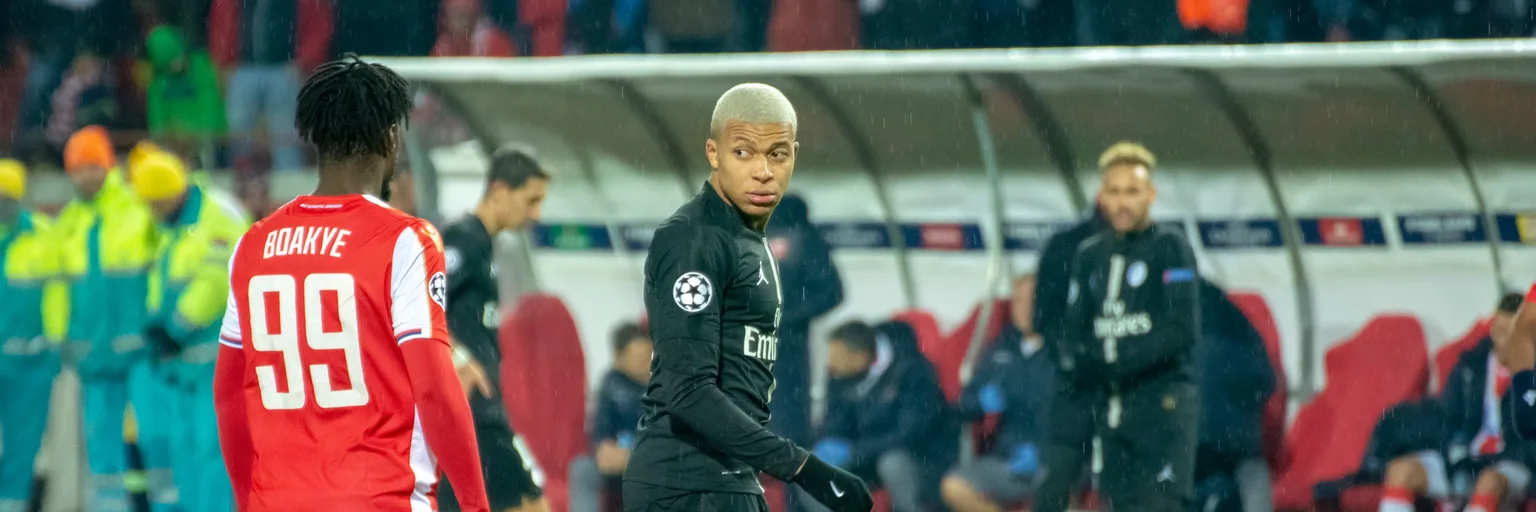
Mbappé's offhand line about a "Chinese dictator" meme cost him sponsors and kept La Liga off China's state TV. Celebrity speech is now a line item in every global brand's risk sheet.
Klum's giant left hand and Lily Allen's Ticketmaster seat map show celebrity Halloween rewards concept over cash, and a point of view beats a bigger prosthetics budget.
Regal and Cinemark won't book Brad Pitt's Netflix film on IMAX screens. The window fight isn't about art; it's about who controls the door, and viewers pay for it.
Stewart said her homeless costume was about awareness, then admitted it was insensitive and not funny. The second statement was the honest one.
Kim Kardashian's openness about her esophagus surgery may help viewers get checked, but the way we consume celebrity scares is turning candor into obligation.
Turning November into a make-or-break deadline for love, or for abstinence, is great meme fuel and a lousy way to judge whether a relationship is real.
Shrugging at low testosterone is a fair rebuke to alpha-male optimizing, but turning a lab value into a personality swaps one performance for another.
Buying back a celebrity-founded company at a deep discount sounds like a comeback. Reportedly cutting about half the staff weeks later shows how fragile the personal-brand empire was.
Google's 2026 costume rankings read like a recap of what we were already served: a new Spider-Man movie, a country legend, fresh releases. Dressing up used to be about imagination.
Travis Scott, Rockstar and Nike's reported sneaker pack shows how hype can now be built before the product exists, and fans may be happy to pay for the wait.
A throwback pumpkin photo of Prince Louis is tiny, charming and carefully managed, and it shows royal accounts now compete with influencers for intimacy.
While Heidi Klum's team spends months building a severed hand, Japan's Jimi Halloween dresses people as tiny everyday moments, and it's the smarter joke.
Jack Antonoff says he'd rather live through things publicly, but the Qualley divorce filing asks whether a marriage turned into songs leaves any room for privacy.