Soderbergh's 'Fixer' Role: Is Hollywood Losing its Creative Edge?
Steven Soderbergh stepping in to finish 'The Batman Part II' highlights Hollywood's growing dependence on established directors, raising critical questions about preserving original creative vision in blockbuster filmmaking.
Photo: Jan Beránek / Wikimedia Commons (CC BY-SA 4.0)
When a major studio project like The Batman Part II hits a snag, what does it say about Hollywood's priorities when the immediate solution involves an industry veteran stepping in to complete another director's vision? The recent news that Steven Soderbergh will reportedly help finish principal photography for the highly anticipated sequel, following director Matt Reeves' temporary departure for personal reasons, certainly sparks a conversation. Is this a pragmatic necessity in a high-stakes industry, or a symptom of a deeper creative conservatism?
The headlines have been clear: Matt Reeves has stepped away from The Batman Part II for personal reasons, leading to a pause in production as of October 5, 2026, as Warner Bros and DC Studios announced. Now, multiple outlets including Consequence and Bleeding Cool report that Steven Soderbergh, a respected and prolific filmmaker, is being brought in to help direct the remainder of the film. While Warner Bros and DC Studios have expressed full support for Reeves, and reports suggest Soderbergh may work with Reeves remotely, the situation throws a spotlight on the industry's increasing reliance on seasoned hands for creative continuity.
The Age of the "Fixer" Director
In the complex machinery of modern filmmaking, directors are considered "above the line" talent, responsible for the creative vision of a project. They make key decisions from lighting and dialogue delivery to the smallest prop placement, guiding the artistic direction from start to finish, as documented by Champlain College. However, the pressure on major blockbusters, with budgets spiraling into hundreds of millions, often sees the producer's business focus —securing financing, managing schedules, overseeing the film's creation— take precedence. The decision to bring in a high-profile director like Soderbergh, known for his efficiency and versatility, underscores the studios' paramount need to maintain momentum and ensure financial viability when a project faces unforeseen hurdles. It is a calculated move designed to mitigate risk, but it also prompts a vital question about the purity of the artistic process.
Echoes of New Hollywood's Auteur Era
The current situation stands in stark contrast to earlier periods in film history, particularly the "New Hollywood" movement from the mid-1960s to the early 1980s. During this era, a new generation of filmmakers came to prominence, profoundly influencing film production and marketing. Critically, in New Hollywood films, the director, rather than the studio, took on a key authorial role, with narratives often deviating from classical norms, as explained by Wikipedia. Directors like those celebrated in New Hollywood, from Peter Bogdanovich's early work to later influential figures, were given unprecedented creative control, fostering a period of bold, individualistic cinematic vision exemplified by films such as Bonnie and Clyde or Easy Rider.
Today, while the industry still champions individual directors, the colossal scale and financial stakes of tentpole productions may inevitably dilute the singular authorial voice. When an established director like Soderbergh is brought in to assist, even with the primary director's blessing, it arguably shifts the creative ownership.
No topics yet: start the first one.
More stories
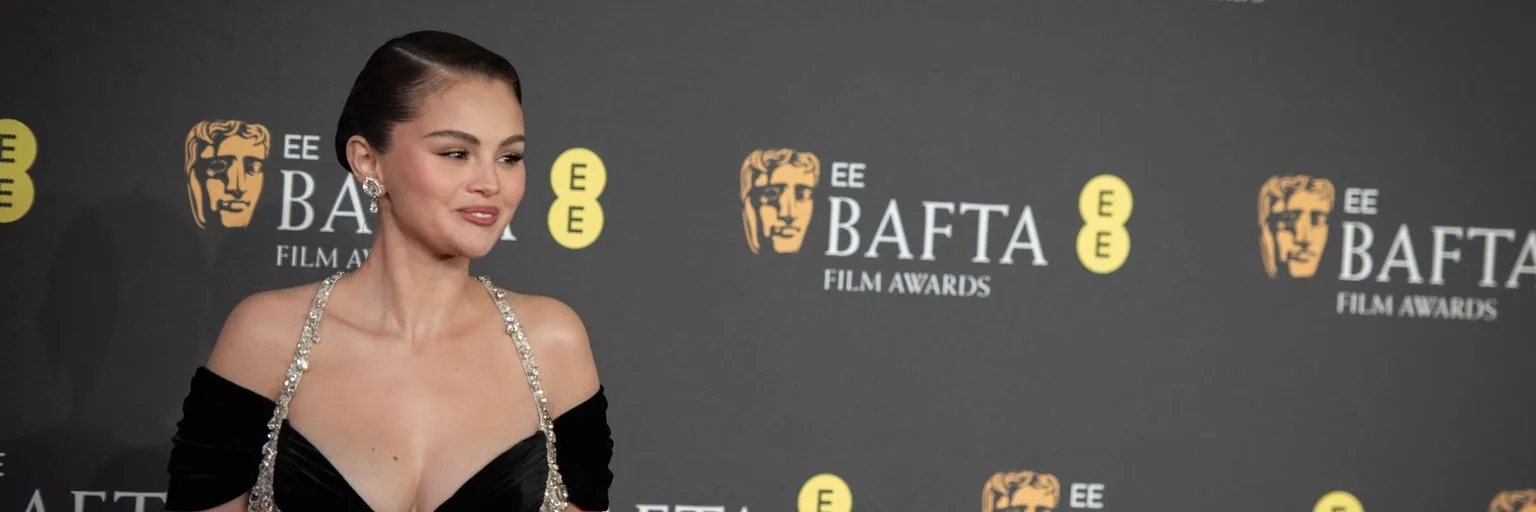
Selena Gomez's Rare Impact: Beyond the Gown, a Blueprint for Authentic Impact
Selena Gomez is redefining celebrity philanthropy by deeply integrating genuine advocacy for youth mental health into her personal brand, creating a sustainable model for meaningful change.
Why 'Pumping Black' Signals Hollywood's New Obsession with Darker Thrillers
Natalie Portman and Jonathan Bailey's 'Pumping Black' is set to redefine the psychological thriller, signaling a significant industry shift towards complex, morally ambiguous narratives that resonate with a craving for depth beyond conventional blockbusters.

King Haakon VIII's Tears: A Royal Reset for Modern Monarchy
Norway's new king openly mourns his father, challenging centuries of royal stoicism and signaling a potent shift towards authentic leadership that resonates deeply with a contemporary world.

Busy Philipps' 'Cupertino' Comeback Is a Masterclass in Modern Resilience
Her swift return to set after brain surgery redefines celebrity vulnerability and challenges Hollywood's unforgiving demands for relentless perfection, proving true strength lies in authenticity.