Châteauneuf-du-Pape Fraud: The High Price of Broken Trust
The latest Châteauneuf-du-Pape fraud exposes luxury wine's Achilles' heel, forcing a reckoning with consumer trust and the very integrity of appellation protections.
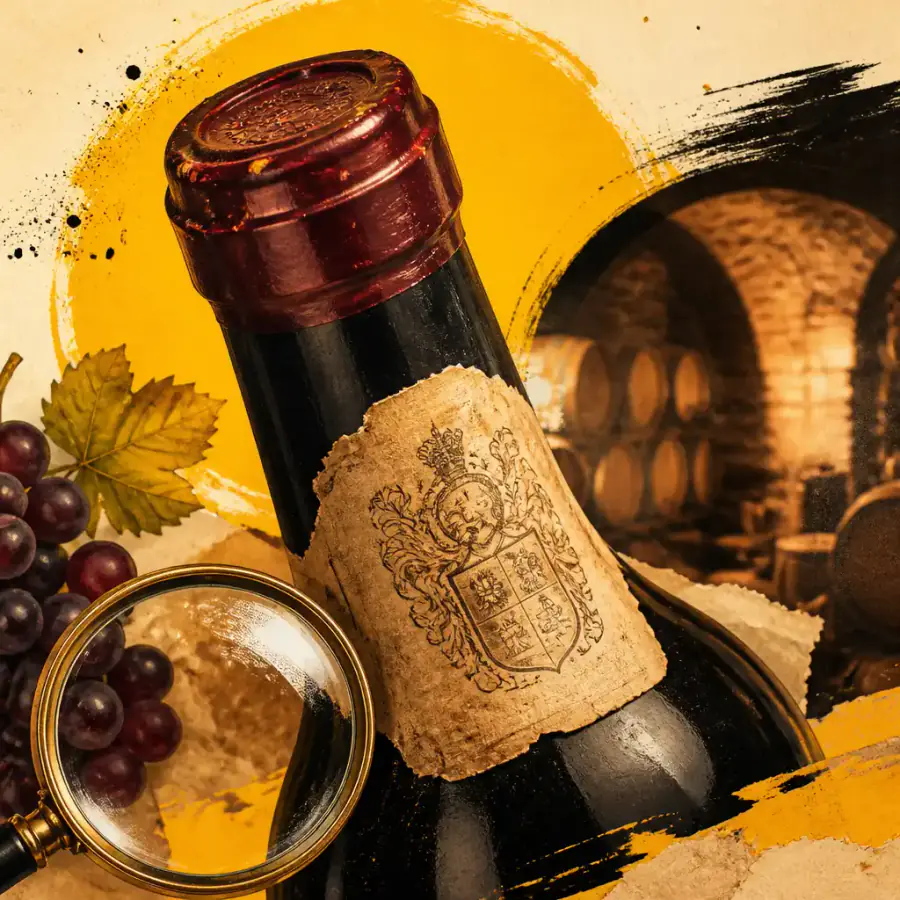
AI-generated image
What happens when the allure of a prestigious label is nothing but a meticulously crafted lie? The recent Châteauneuf-du-Pape wine fraud reminds us that in the world of luxury goods, where perception often dictates value, the line between authenticity and deception can blur with devastating consequences for consumers and the industry alike.
Authorities have recently cracked down on a sophisticated scheme in Occitanie, France, where a producer-négociant allegedly marketed common wine under the esteemed AOP Châteauneuf-du-Pape designation. This operation led to the seizure of over €1.8 million in criminal assets, including a lavish chalet in Megève and a luxury vehicle, painting a vivid picture of the opulent lifestyle funded by this illicit trade, as reported by TF1info and Sud Ouest. This local bust follows a larger international investigation earlier in October 2024, involving French and Italian police, which dismantled a ring selling poor-quality bottles as famous Grand Cru vintages, some fetching up to €15,000 each, and generating an estimated €2 million in fraudulent profits, according to the BBC.
The Irresistible Lure of Luxury's Shadow
Luxury markets thrive on exclusivity, perceived quality, and heritage. A bottle of Châteauneuf-du-Pape isn't just fermented grape juice; it's a promise of terroir, tradition, and a certain lifestyle. This inherent desire for status and scarcity creates fertile ground for fraud. When top-tier Grand Crus command thousands, even tens of thousands of euros per bottle, the temptation to fill them with cheap substitutes becomes almost insurmountable for unscrupulous actors. This isn't a new phenomenon; the story of notorious wine forger Rudy Kurniawan, for instance, serves as a stark reminder of how profitable and elaborate such deceptions can become.
Cracks in the Appellation's Armor
The Appellation d’Origine Protégée (AOP) system, like its counterparts worldwide, is designed to safeguard the origin and quality of wines. It categorizes wines, with AOP being the most stringent, followed by Indication Géographique Protégée (IGP), and finally, Vin de France. Prestigious AOPs like Châteauneuf-du-Pape can command significantly higher prices than lesser-known regions or classifications. However, as Connexion France points out, the system relies on a complex paper trail to guarantee authenticity, especially for wines handled by négociants—companies that blend and bottle wines from multiple sources. While legal blending within an AOP is common, the fraudulent act involves misrepresenting a blend of lesser-quality or foreign wines as a prestigious AOP. The current sophistication of counterfeiters means that even vineyard experts struggle to identify fakes, and with some buyers cellaring wines for years, many may never realize they've been duped.
The Erosion of Consumer Confidence
Beyond the immediate financial losses, these high-profile frauds inflict a deeper, more insidious damage: they erode consumer confidence in the entire French wine industry. Every instance of fraud, whether it's a fake Champagne from blended bulk wines, as seen in the Didier Chopin case, or mislabeled Châteauneuf-du-Pape, casts a shadow over honest producers and the integrity of the AOP system. When consumers question the veracity of a label, the perceived value of all high-end wines suffers. It moves beyond a simple criminal act to a systemic threat to a centuries-old industry built on reputation and trust. The French customs authority, the douanes, diligently audits producers, but the complexity of the supply chain means it can take years to build a case against those who manipulate the paper trail.
A Call for Vigilance and Stricter Measures
While consumers can take steps to protect themselves, such as opting for récoltant wines (those grown, made, and bottled by the same estate, identifiable by an 'R' on the tax capsule), the onus cannot solely be on the buyer. The penalties for such lucrative crimes, like a €100,000 fine and a suspended prison sentence for selling millions of euros worth of fake Champagne, can feel disproportionately light given the profits involved. The integrity of luxury markets, particularly those with protected designations, demands a collective effort. This includes heightened vigilance from regulatory bodies, harsher deterrents for fraudsters, and greater transparency throughout the supply chain. Ultimately, if the wine industry wants to maintain its prestige and protect its global standing, it must aggressively counter the shadows that undermine its very foundation.
The Châteauneuf-du-Pape fraud serves as a potent reminder: in the world of luxury, trust is the most precious vintage, and its absence leaves the bitterest aftertaste.
No topics yet: start the first one.
More stories
Florence Pugh's 'Eighth Wonder' Redefines Travel's True Luxury
Florence Pugh's heartfelt endorsements of global destinations, celebrating local culture and personal achievement over ostentatious displays, signals a profound redefinition of luxury travel toward authentic experiences.

The Skincare Revolution: Why Price No Longer Predicts Performance
Rigorous consumer tests are reshaping the beauty industry, revealing that effective face creams can be found at any price point, challenging the long-held belief that efficacy comes with a hefty price tag.

Digital Detox: More Than a Trend, It's a Reclaiming of Ourselves
Amid rising screen addiction concerns, the digital detox isn't just a fleeting fad; it reflects a profound societal yearning to reconnect with reality.

Connections Isn't Just a Game: It's Our Daily Brain Workout
The immense popularity of word puzzles like NYT Connections signifies a profound shift, revealing our collective craving for routine cognitive challenges and shared mental victories amidst digital distractions.