When Hollywood's Best Advice Is to Trust Your Gut
Ben Affleck's recent revelations about Bruce Willis's career guidance illustrate how even industry titans can misjudge pivotal moments, making personal conviction an actor's most valuable asset in an unpredictable Hollywood.
Photo: Gage Skidmore from Peoria, AZ, United States of America / Wikimedia Commons (CC BY-SA 2.0)
In a town where everyone has an opinion and every success story seems to have a thousand mentors, what happens when a legend offers advice that, in retrospect, turns out to be spectacularly wrong? Ben Affleck recently pulled back the curtain on some unsolicited wisdom from Bruce Willis, his co-star on the 1998 blockbuster Armageddon, and the takeaway is a compelling reminder that in Hollywood, even the most seasoned guidance can be a swing and a miss.
Affleck, during an appearance on the Happy Sad Confused podcast, shared two distinct pieces of counsel he received from Willis. The most notable? Willis allegedly advised Affleck against taking a role in the film Shakespeare in Love. This tidbit landed with a particular thud, given that the romantic comedy went on to clinch seven Academy Awards in 1999, including the coveted Best Picture Oscar, a year after Affleck himself had won for Good Will Hunting.
The Peril of Prescriptive Wisdom
It is easy to look back with 20/20 hindsight, but Willis’s advice against Shakespeare in Love highlights a fundamental challenge in creative industries: predicting success is often a fool's errand. Affleck himself acknowledged that Willis “was wrong about that one,” though he was quick to add, in fairness, that Willis “hadn't read the script” for Shakespeare in Love. Willis, an established star at the time, reportedly told Affleck, “Man, don’t go do that Shakespeare movie, man. You don’t wanna do that movie”.
Despite this blunt advice, Affleck took the role of Ned Alleyn, a supporting character, a part he loved for its comedic portrayal of a vain performer. His decision proved prescient, as Shakespeare in Love not only earned seven Academy Awards, including Best Picture, but also garnered 13 nominations at the 1999 ceremony. Gwyneth Paltrow won Best Actress, Judi Dench won Best Supporting Actress, and Marc Norman and Tom Stoppard took home the award for Original Screenplay. Affleck himself, as part of the ensemble cast, also received an award for Outstanding Performance by a Cast at the 1999 SAG Awards.
This particular piece of wisdom wasn't the only unsolicited career tip Affleck received from Willis during their time on the set of Armageddon. Willis also candidly informed Affleck that his speaking voice was “too high-pitched” for a leading man. Affleck recalled Willis insisting, “You don’t wanna sound like that, man! I’m helping you out!”. Affleck, amused in retrospect, wondered how he could change his natural voice. Despite the bluntness of the advice, Affleck consistently described Willis as “the sweetest guy in the world” who genuinely meant well.
Mentorship's Winding Path
The success of Shakespeare in Love followed closely on the heels of another major career milestone for Affleck. Just a year prior, in 1998, he and his longtime friend Matt Damon — who had become friends at age eight in Cambridge, Massachusetts — had won the Academy Award for Best Screenplay for Good Will Hunting. This film, which remains one of Affleck's most beloved and holds a 97% “Fresh” score on Rotten Tomatoes, also earned Robin Williams an Oscar for Best Supporting Actor. The contrast between Willis’s cautionary words and Affleck’s subsequent triumphs underscores the complex nature of mentorship in Hollywood. While valuable guidance exists, as evidenced by the widespread importance of mentorship in the industry, ultimately, an actor's own conviction often proves to be the truest compass in a landscape where even the most experienced voices can sometimes miss the mark. These anecdotes from Affleck's career serve as a reminder that personal intuition and a willingness to take calculated risks are often just as crucial as seasoned advice on the path to success.
No topics yet: start the first one.
More stories
Selena Gomez's Vaping Confession: A Raw Look at Celebrity & Addiction
Selena Gomez's recent admission about nicotine vaping affecting her voice reveals the struggles behind the spotlight, igniting vital discussions on addiction, public health, and the price of authenticity.

Diddy's Transfer Spotlights the Federal Prison System's Deep Cracks
Sean 'Diddy' Combs' move to FCI Allenwood Low, a federal prison marred by allegations of inmate abuse and gang activity, turns his personal legal woes into a glaring indictment of the US federal prison system's 'inhumane' conditions.

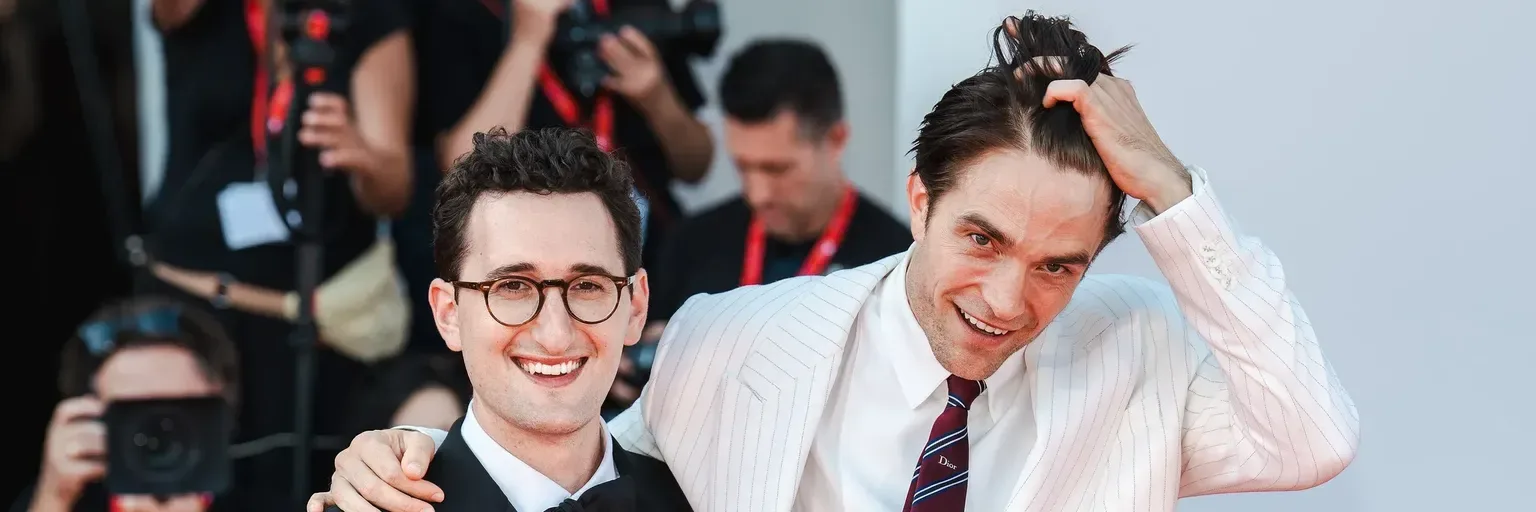
Robert Pattinson's Alien Aesthetic: The New Face of Hollywood Masculinity
Robert Pattinson's deliberate embrace of an "alien" and unconventional look for *Dune: Part Three* and his personal style signals a powerful shift in how Hollywood defines male stardom.
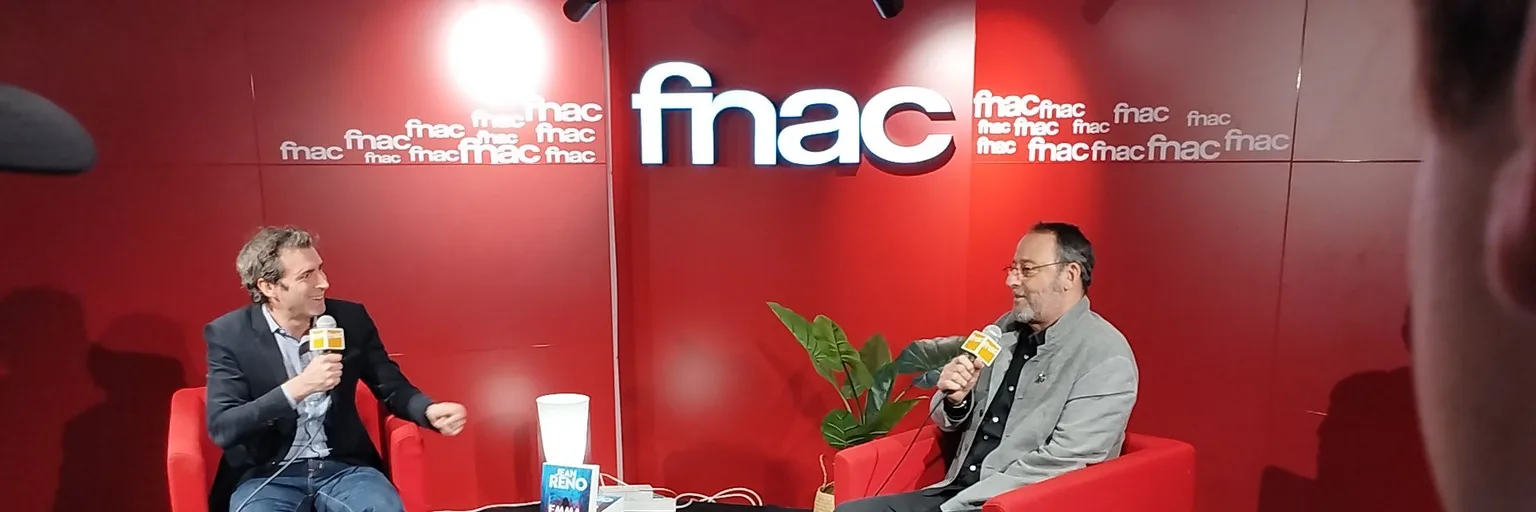
Jean Reno's Candid Take on Aging Challenges Hollywood's Facade
In an industry often obsessed with eternal youth, Jean Reno's frank discussions about his body and health offer a refreshing dose of reality, proving that true longevity is about acceptance and adaptation.